
Programme National de Developpement Integre de l’Elevage au Senegal (PNDIES)
Adaptation Need
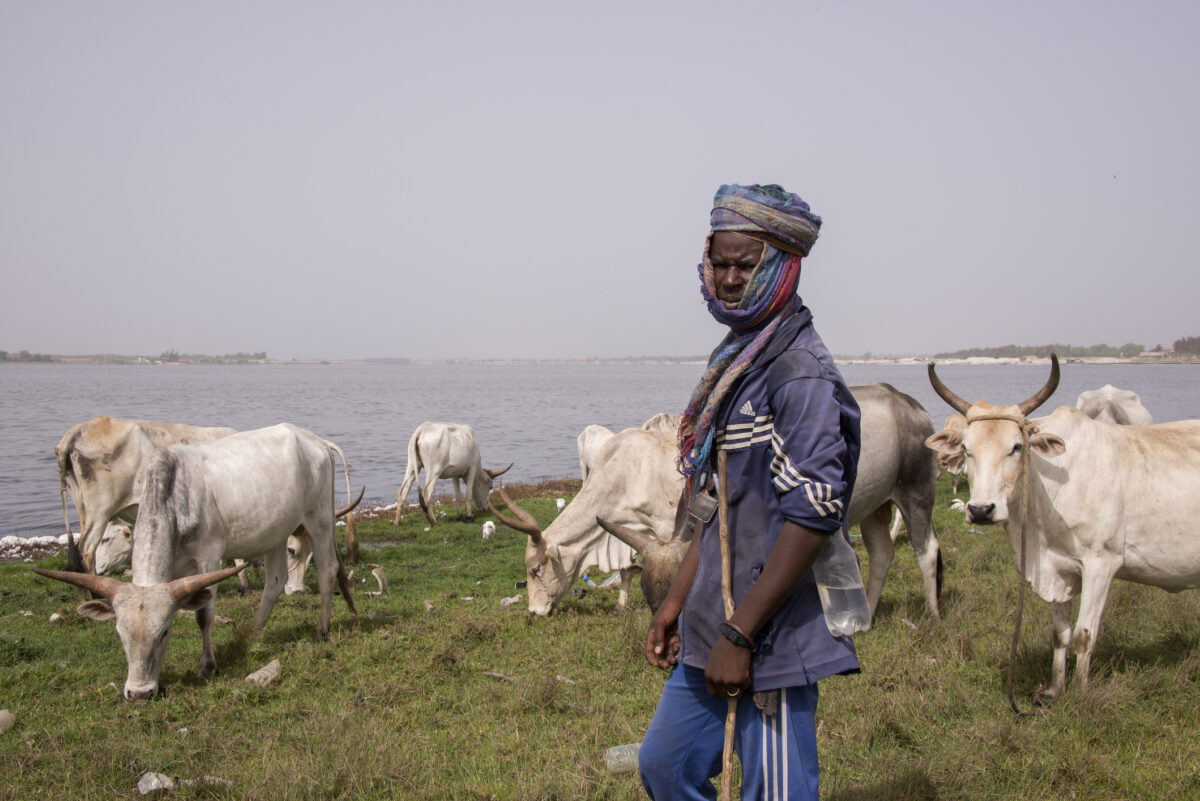
Livestock farming is practiced by one in three households in Senegal and is a key source of livelihood and food security. Climate change significantly affects livestock productivity, primarily through its adverse impacts on the quantity and quality of forage and crop-based feeds, as well as the availability of pastureland and water resources. In the last two decades alone, three major drought events have triggered spikes in decline in livestock productivity and food insecurity, with the number of people affected ranging from 300,000 to 800,000 per event. Without targeted climate-smart adaptation measures, climate-related risks will continue to pose an escalating threat to agriculture—particularly livestock production—and the broader national economy. A single year of drought is estimated to cost the country US$500 million, equivalent to 3 percent of agricultural GDP. Projections suggest that climate change-related losses to real GDP will rise from an average of 3.6 percent in the 2030s to 7 percent by 2050. If no action is taken, by 2050, agriculture’s value-added is likely to decrease by 10 percent.
GCA’s Added Value
GCA is strengthening the project’s climate resilience by assessing climatic risks to the livestock sector and providing an analysis of the climatic vulnerability of the value chains. The analysis will enable the identification of targeted climate-smart measures and strategic options for the integration of digital climate-smart advisory services (DCAS) and climate-resilient agriculture options in Senegal.
GCA is providing technical support to the project by conducting a labor market assessment to identify current and future employment and skills needs that can help increase productivity, production, processing, and marketing across the livestock value chain. The findings from this assessment will guide the design and delivery of capacity-building support to youth-led enterprises, strengthening their ability to contribute to climate resilience and sustainable economic growth.

Project goals
Mainstreaming Adaptation and Resilience
To mainstream adaptation and resilience in Senegal’s livestock sector, GCA climate risk assessment that analysed the climate vulnerability of poultry, milk, livestock-meat, and beekeeping value chain vulnerabilities in the regions of Dakar, Thiès, Louga, Kaffrine, Tambacounda, Kolda, and Ziguinchor highlighted challenges such as environmental sustainability, animal health, and market access of the livestock industry in Senegal and proposed adaptation and resilient measures such as livestock insurance, drought tolerant forages, digital tools for investment by private for adaptation. In addition, GCA will help sustain project outcomes by embedding capacity for the Ministry of Agriculture, Food Sovereignty and Livestock, along with livestock group leaders, national agricultural insurance companies, and women agriculture leaders on climate change concepts, agricultural insurance, and climate-smart agriculture practices to enhance understanding regional climate risks for the livestock sector in the targeted regions, strengthen risk transfer mechanisms such as index-based insurance, and promote drought-resilient practices such as improved pasture management, and digital tools including early warning systems to improve drought preparedness and respond to other climate risks for resilience building in the livestock sector.
Expected Project Outcomes
- Regional climate risk, climate vulnerability and adaptation measures for poultry, milk, livestock-meat, and beekeeping value chain in the regions of Dakar, Thiès, Louga, Kaffrine, Tamba counda, Kolda, and Ziguinchor identified.
- Enhanced institutional capacity of the Ministry of Agriculture, Food Sovereignty and Livestock, livestock group leaders, national agricultural insurance companies, and women agriculture leaders on climate change concepts, agricultural insurance, DCAS and climate-smart agriculture practices.
Timeline
GCA Support Status
Technical Assistance Preparation
GCA Support Implementation
December, 2022
GCA Support Completion
Monitoring
Finance
Project Investment Value
Total Investment Value
IFI Investment Value
$41.98M
Other Investment Value
$41.66M
IFI partners
Contacts
General media inquiries
info@gca.orgRequest for information
FoodsecurityTeam@gca.org