
Livestock and Agriculture Modernization Project (LAMP)
Adaptation Need
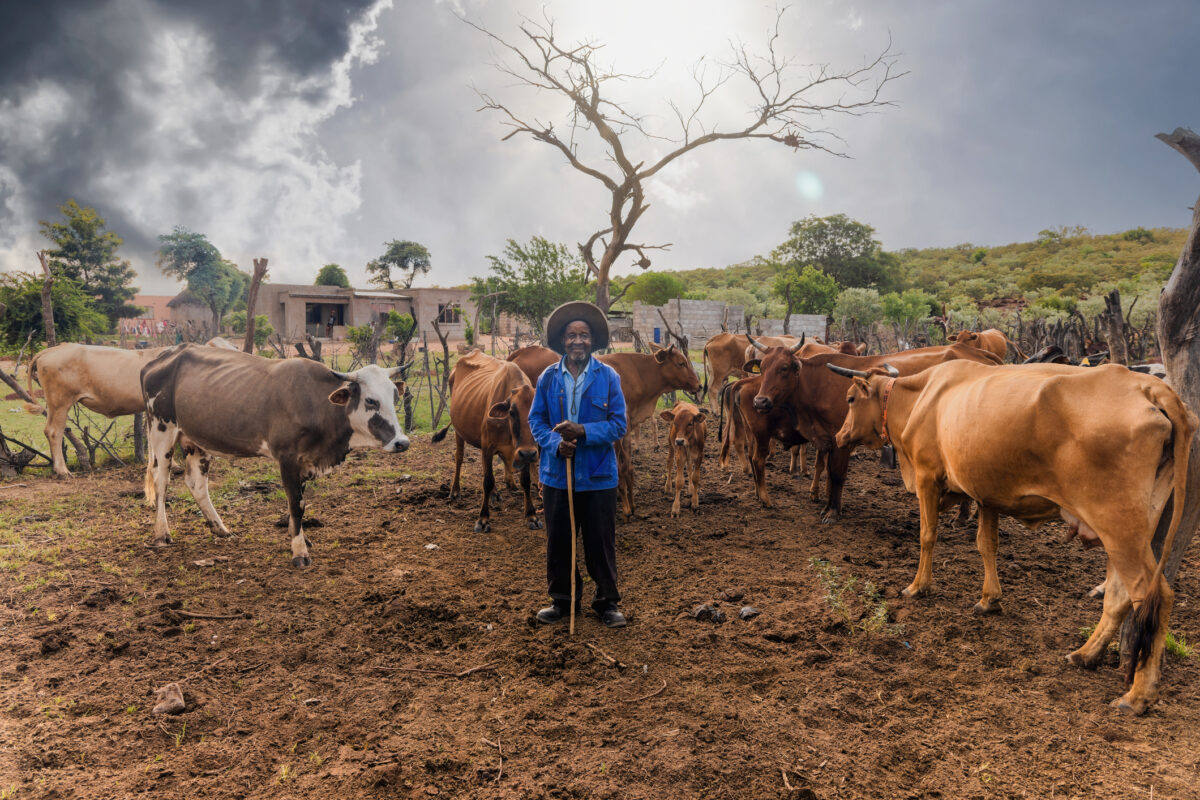
Niger has frequently experienced numerous drought and flood events in the past two decades, affecting its rural population and agriculture, which has leading to prevalence of to frequent food crisis/insecurity. In 2020, Niger faced one of the largest floods in its history which submerged over 3,082 hectares (ha) of irrigated land (World Bank, 2022). Niger’s agricultural development lacks resilience in crop and livestock production, and limited livelihoods diversification and agro-processing contribute to resource-based conflicts between farmers and herders. To address such gaps, a data-based digital adaptation profile and mapped adaptation solutions are needed for various farming systems and agro-ecologies. Also, a comprehensive vulnerability assessment and tailored advisory services are needed to ensure technical and financial viability of adaptation and resilience interventions.
GCA’s Added Value
GCA’s technical support focuses on estimating assessing the agricultural productive capacity index and analysis of market access and competitiveness of rice, onion, cowpea, milk, livestock meat, and poultry value chains. In collaboration with the International Crops Research Institute for the Semi-Arid Tropics (ICRISAT) and African Agricultural Transformation (TAAT) /International Institute of Tropical Agriculture (IITA), participated in this project’s stakeholders meeting convened by GCA, and provided climate resilient varieties onof rice, onion, cowpea, fodder crops for livestock, and crops for poultry feeds to behave been identified and their adoption mainstreamed into the project for their scaled use across locations in Tahoua, Maradi, Dosso, and Zinder zones of Niger, which opened the collaborative linkages among national and international agencies to improve the supply-chain for foundation seeds, and early generation planting materials.

Project goals
Mainstreaming Adaptation and Resilience
GCA activities will help quantify climate risks for this project under various scenarios, enabling the Ministry of Agriculture to develop adaptation plan, unlocking government resources for smallholder farmers, increasing productivity and strengthening resilience. GCA activities will build resilient agricultural productive capacity, improve agriculture and livestock markets, and facilitate access to finance. The agricultural productive capacity index will be estimated, analyzing market access and competitiveness, and enhancing access to credit, grants, and guarantees for value chain participants; thus, making climate adaptation solutions affordable to farmers in the project areas.
Expected Outcomes
- 1,500,000 people with enhanced resilience to climate risks (of which 500,000 are youth and 675,000 are women);
- 40% increased average yield of overall agriculture products (rice, onion, cowpea) among targeted beneficiaries;
- 30% increased average yield of selected animal products among targeted beneficiaries;
- 18,000 Hectares provided new/improved irrigation and drainage services.
Timeline
GCA Support Status
Technical Assistance Preparation
GCA Support Implementation
January, 2025
GCA Support Completion
Monitoring
Finance
Project Investment Value
Total Investment Value
IFI Investment Value
$350.00M
Other Investment Value
N/A
IFI partners
Contacts
General media inquiries
info@gca.orgRequest for information
FoodsecurityTeam@gca.org