
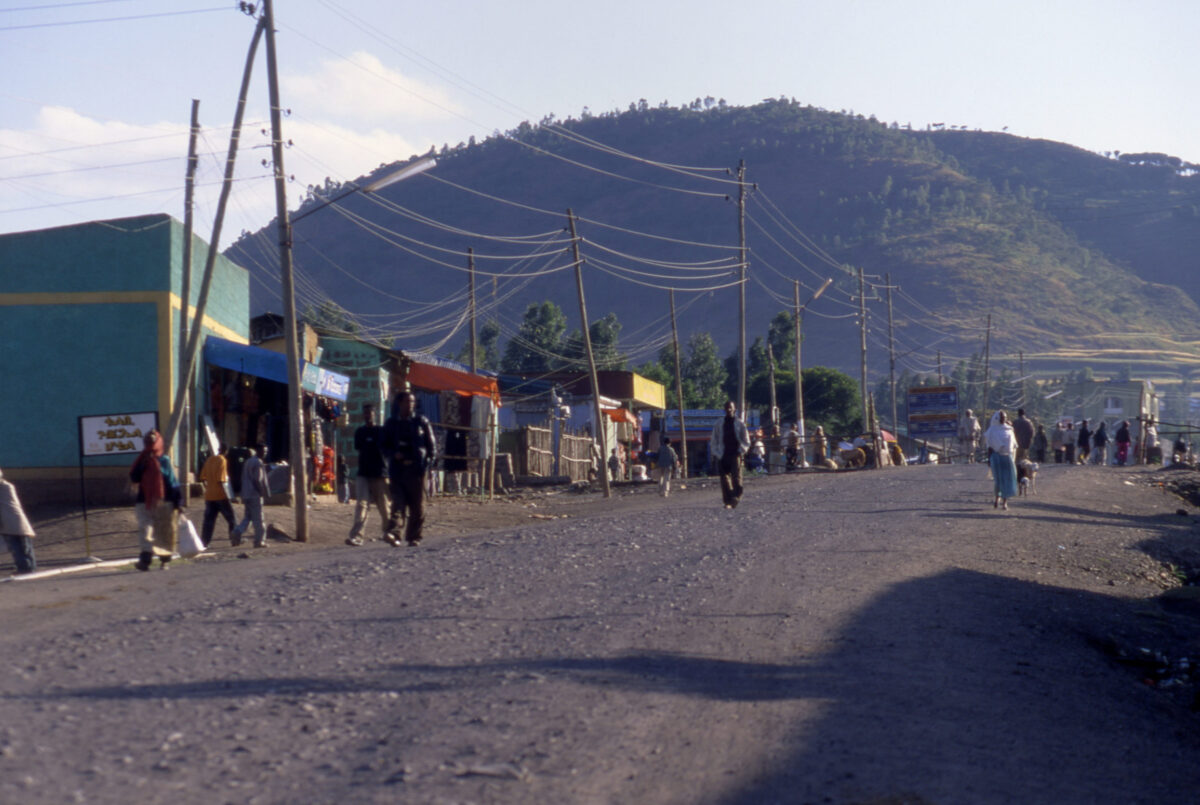
Eastern Ethiopia Electricity Grid Reinforcement Project
Adaptation Need
The Eastern Ethiopia transmission corridor faces mounting climate risks from extreme heat, flooding, and landslides, threatening infrastructure reliability, electricity access, and regional food security. Under RCP8.5 scenarios, both 400 kV and 132 kV transmission lines are projected to experience extreme heat events exceeding 120 days annually. High seasonal temperatures are projected to reduce conductor service life by up to 13%, while landslide-induced damage in steep terrain could compromise towers and substations such as Harar IV. Flooding is a significant threat to tower foundations and substations like Birkot, with projected asset losses of up to 8.6% of capital replacement value (CRV). Without adaptation, climate impacts will degrade grid reliability, limit electricity-dependent irrigation and food systems, and exacerbate gender-differentiated vulnerabilities in affected regions.
GCA’s Added Value
GCA conducted a comprehensive Climate Vulnerability and Risk Assessment (CVRA) and Cost-Benefit Analysis of adaptation options using ISO 14091:2021 methodology. Through this technical support, GCA is enabling the integration of resilience measures into procurement processes and infrastructure design across the 360 km transmission corridor. This contributes to Ethiopia’s National Adaptation Plan and Nationally Determined Contributions objectives, while catalyzing a shift toward climate-resilient energy systems by aligning grid investments with long-term climate risk profiles.


Project goals
Mainstreaming Adaptation and Resilience
To address climate risks, GCA recommended targeted adaptation measures across priority segments of the 400 kV and 132 kV transmission lines. For high heat exposure, conductors and insulators with increased temperature ratings were proposed, alongside engineered slope stabilization for landslide-prone segments near Harar. In flood-prone areas, elevating tower foundations and installing perimeter drainage systems are prioritized. Nature-based Solutions (NbS), including vegetated buffers along Right of Way (RoW), enhance flood retention and slope stability—though cost-benefit analysis suggests engineered solutions yield higher ROI in most high-risk areas. The adaptation package supports Ethiopia’s resilience goals while enabling uninterrupted power supply critical to irrigation and food processing. A gender analysis highlights disproportionate vulnerability in areas such as Dire Dawa and Kebridehar, where women face compounded barriers from outages. GCA’s resilience guidelines are embedded into performance-based procurement structures, allowing for replication in future energy investments. This climate-informed investment planning enhances infrastructure durability, supports food systems, and strengthens economic resilience across Eastern Ethiopia’s power corridor.
Expected Outcomes
GCA facilitated effective, efficient, and sustainable outcomes on:
- 360 km of new or upgraded electricity transmission lines resilient to extreme heat and flooding
- Reduction in power outages and blackout risks in vulnerable agricultural zones
- Enhanced electricity access for 500,000+ people across Harari, Somali, and Oromia
- Improved energy reliability for irrigation and food processing systems
- Strengthened resilience of power-dependent livelihoods and services
- Climate-proof infrastructure model for replication in Ethiopia’s national grid expansion
Timeline
GCA Support Status
Technical Assistance Preparation
GCA Support Implementation
September, 2023
GCA Support Completion
Monitoring
Finance
Project Investment Value
Total Investment Value
IFI Investment Value
$52.00M
Other Investment Value
$67.89M
IFI partners
Contacts
General media inquiries
info@gca.orgRequest for information
infrastructure@gca.org