
Mauritania Logistics Capacity Expansion Program
Adaptation Need
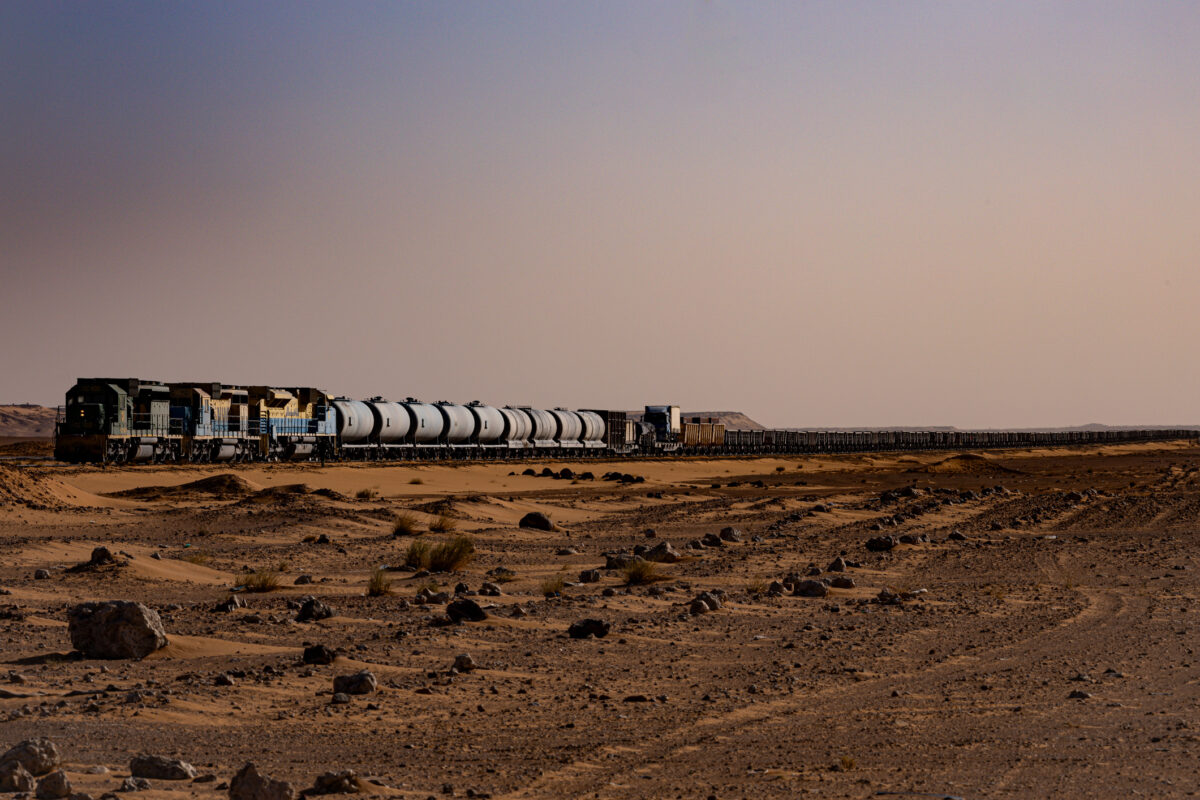
Mauritania is increasingly affected by intensifying heat, extended droughts, shifting precipitation patterns, and coastal flooding. Climate risks threaten SNIM’s railway, port, and mining operations, particularly from heat-induced rail buckling, sand encroachment, and sea-level rise at the Nouadhibou port. Approximately 6,800 workers face rising occupational health risks due to extreme heat (>40°C). Temperature increases are projected between +1.5°C to +3.0°C by 2031–2060, especially in inland and southern regions with more than 60 hot days predicted per year (RCP 8.5). Surrounding communities—reliant on SNIM for water, energy, and transport—are vulnerable to service disruptions and climate-induced shocks, where future challenges may include human displacement.
GCA’s Added Value
Consequently, GCA aims to climate-proof the expanding mining infrastructure and worker communities to maintain connectivity within Mauritania, unlock the economic potential of natural resources, and ensure the distribution of key resources, such as water, energy, and food, which are increasingly vulnerable to climate change. Technical assistance to SNIM includes conducting climate risk assessments for the railway, port, and mine infrastructure, quantifying both direct and indirect impacts. It also involves appraising adaptation options—covering engineering, nature-based, and institutional measures—through cost-benefit analysis. To safeguard workers, GCA is developing occupational health and safety guidelines (OHS) focused on heat-related risks and maintaining operational continuity. Additionally, GCA is mapping socioeconomic vulnerabilities in SNIM cities (Zouérate and Nouadhibou) to identify at-risk populations and social assets (schools, clinics, housing), and delivering targeted stakeholder engagement and masterclasses on climate-resilient public-private partnerships (PPPs) and OHS standards.
Project goals
Mainstreaming Adaptation and Resilience
The project implements climate resilience measures across infrastructure and vulnerable communities. Engineering adaptations include heat-resistant tracks, improved drainage, and flood defenses to protect the port. Nature-based solutions, such as sand dune stabilization and vegetation buffers along the railway, help reduce erosion and encroachment. To safeguard worker health and safety, the project applies occupational health and safety protocols, including heat stress management, hydration stations, protective equipment, and early warning systems. It also develops strategies to maintain community access to essential SNIM-supported services such as energy, water, and transport during climate-related disruptions.
Expected Outcomes
- Upgraded climate resilient 704 km railway infrastructure with a doubled logistics capacity (20 MTPA to 40 MTPA).
- Healthy and productive workforce and communities.
- 150 direct skilled jobs in O&M of the railway and rolling stock
- Around 3000 indirect jobs created in mining and processing.
- Sustained delivery of water, electricity, and transport to vulnerable communities.
- Reduced displacement of inland communities.
Timeline
GCA Support Status
Technical Assistance Preparation
GCA Support Implementation
November, 2024
GCA Support Completion
Monitoring
Finance
Project Investment Value
Total Investment Value
IFI Investment Value
$150.00M
Other Investment Value
$317.00M
IFI partners

Contacts
General media inquiries
info@gca.orgRequest for information
infrastructure@gca.org