
Climate Adaptation Investment Markets for Commercial Banks in Africa
T he Global Center on Adaptation (GCA), in collaboration with CGAP, CGIAR, FSD Africa and Pegasys, has conducted market analyses to demonstrate that climate adaptation technologies and services in Tanzania, Kenya and Zambia are bankable.
The studies first identify priority adaptation and resilience investment opportunities that are technically maturing and show strong potential to be attractive to private sector financiers in Tanzania, Kenya, Zambia and Democratic Republic of Congo. Then, through investment briefs targeted at African commercial bank teams, the studies illustrate country-level market size and financial returns for nine climate adaptation and resilience technologies and services across agri-food systems, manufacturing, housing, energy and green infrastructure.
From risk to opportunities in climate adaptation
Africa faces a substantial adaptation and resilience financing gap, requiring an estimated $70Bn annually by 2030 (CPI, 2024). Yet current adaptation finance flows to Sub- Saharan Africa amounted to only $12.96 billion in 2023 (CPI. Global Climate Finance Data). This persists despite adaptation investments generating returns of 2 to 15 times the initial investment.
Private debt remains an underutilized instrument for adaptation: while 51% of tracked climate finance to Africa comes as debt (CPI, 2024), the share from private sources specifically targeting adaptation is insignificant. In Tanzania for example, climate finance from private sources is estimated to account for only 5% of total flows (CPI. Global Climate Finance Data).
For commercial banks and other inclusive financial service providers, climate adaptation finance is both risk mitigation and opportunity. Climate change is a growing business risk — from agri-food systems to housing and manufacturing, climate shocks threaten borrowers’ ability to service loans and deepen financial exclusion. Banks and financiers that act now will reduce physical climate risk, open new markets, and strengthen long-term profitability.
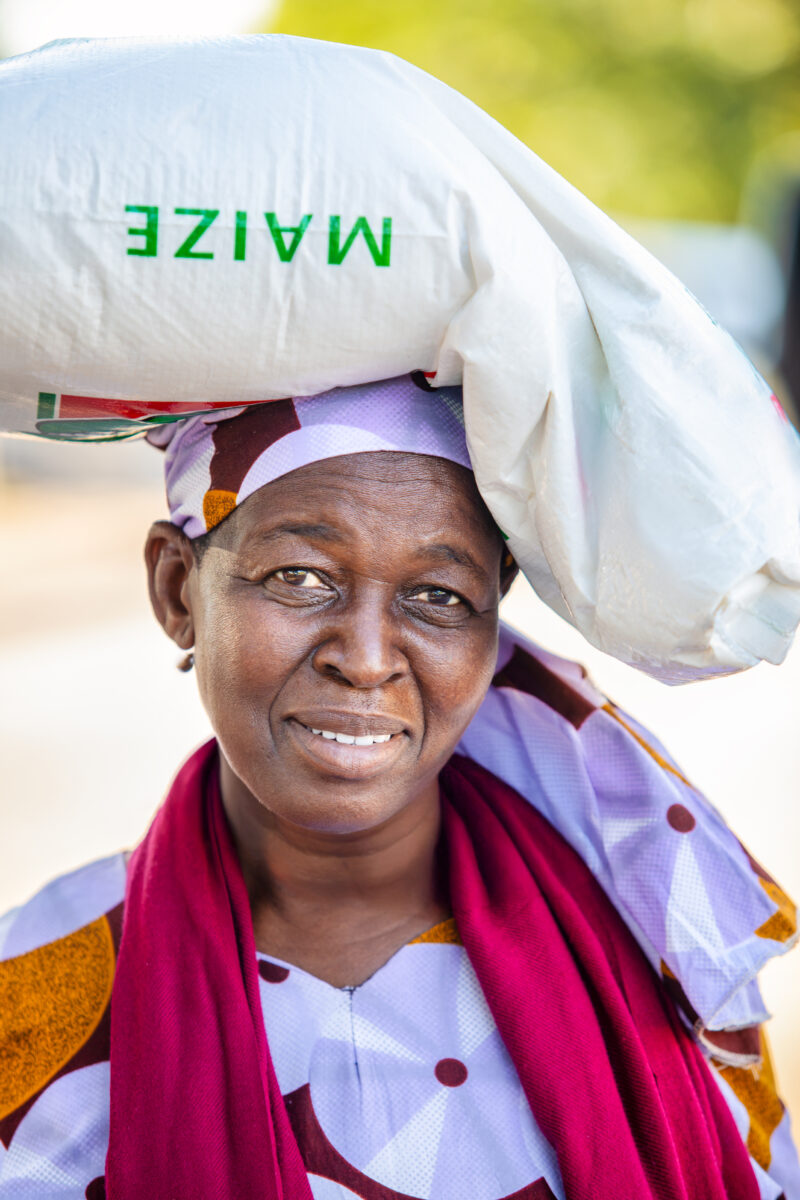
Tanzania
For Tanzania, the main outputs are:
Two (2) national level Rapid Climate Risk and Adaptation Investment Opportunity Mapping reports including a short list of adaptation solutions that might be of interest to private sector financiers (one for agriculture and food systems, one for infrastructure, energy and manufacturing sectors).
Five (5) investment briefs that offer commercial banks and other inclusive financial service providers the adaptation and business rationale for supporting clients in agriculture, housing and climate efficient cooling.
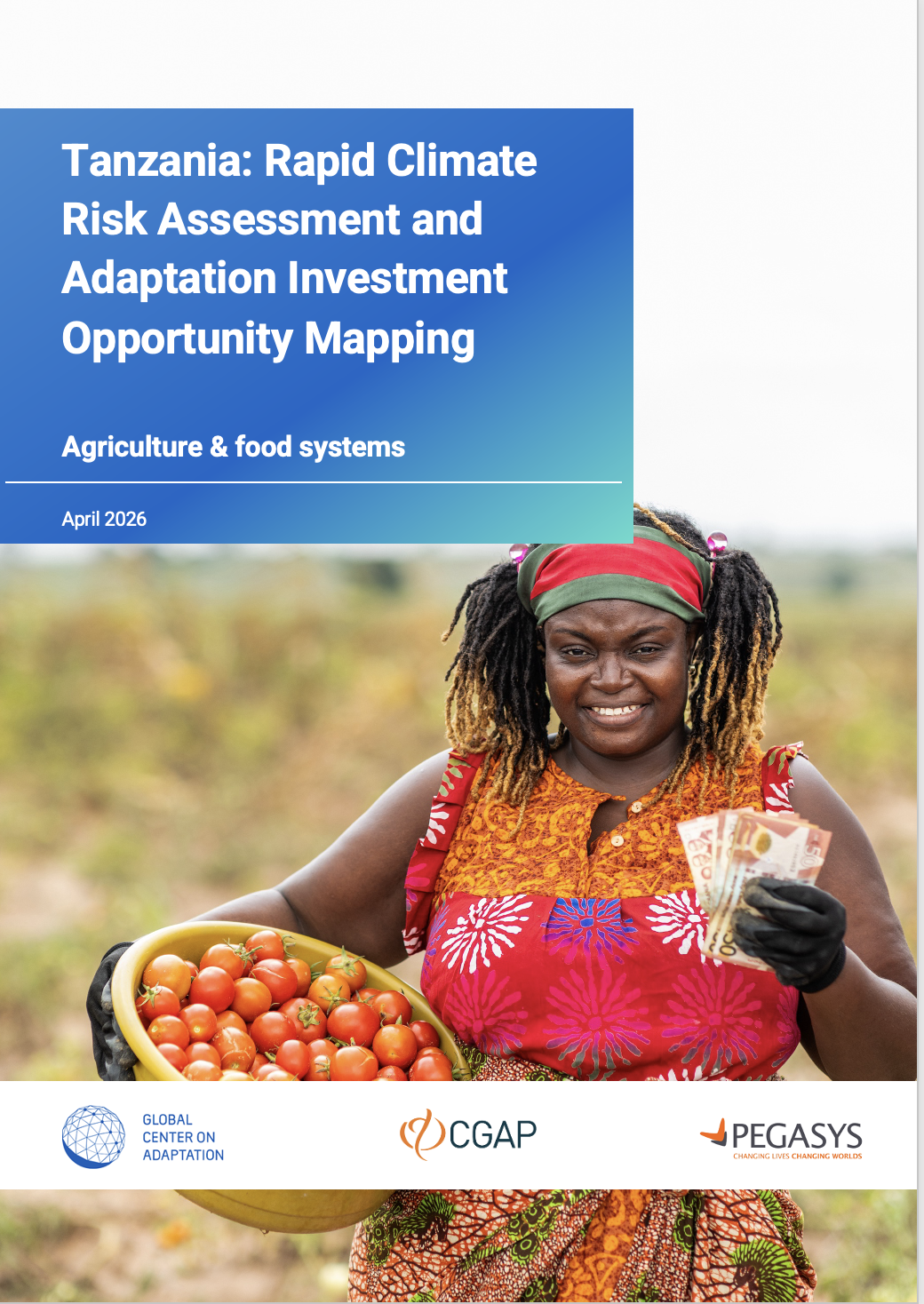
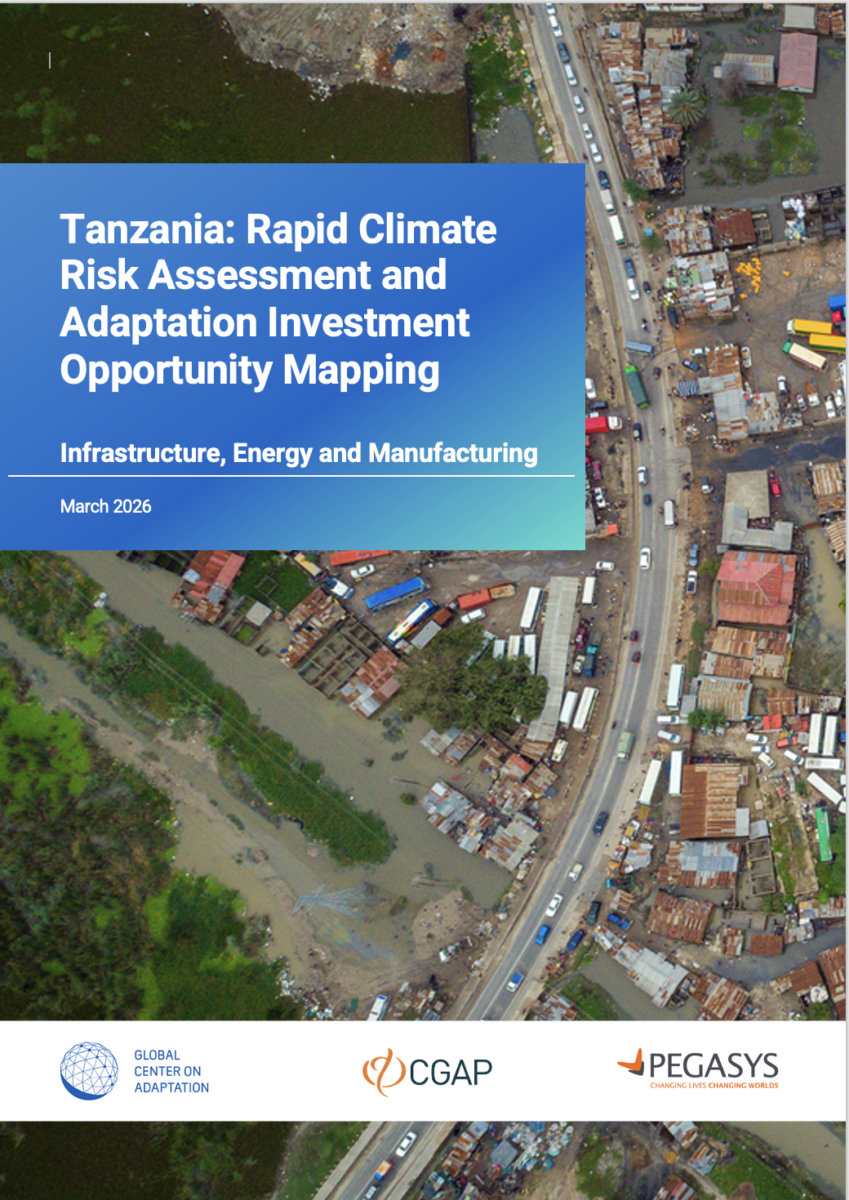
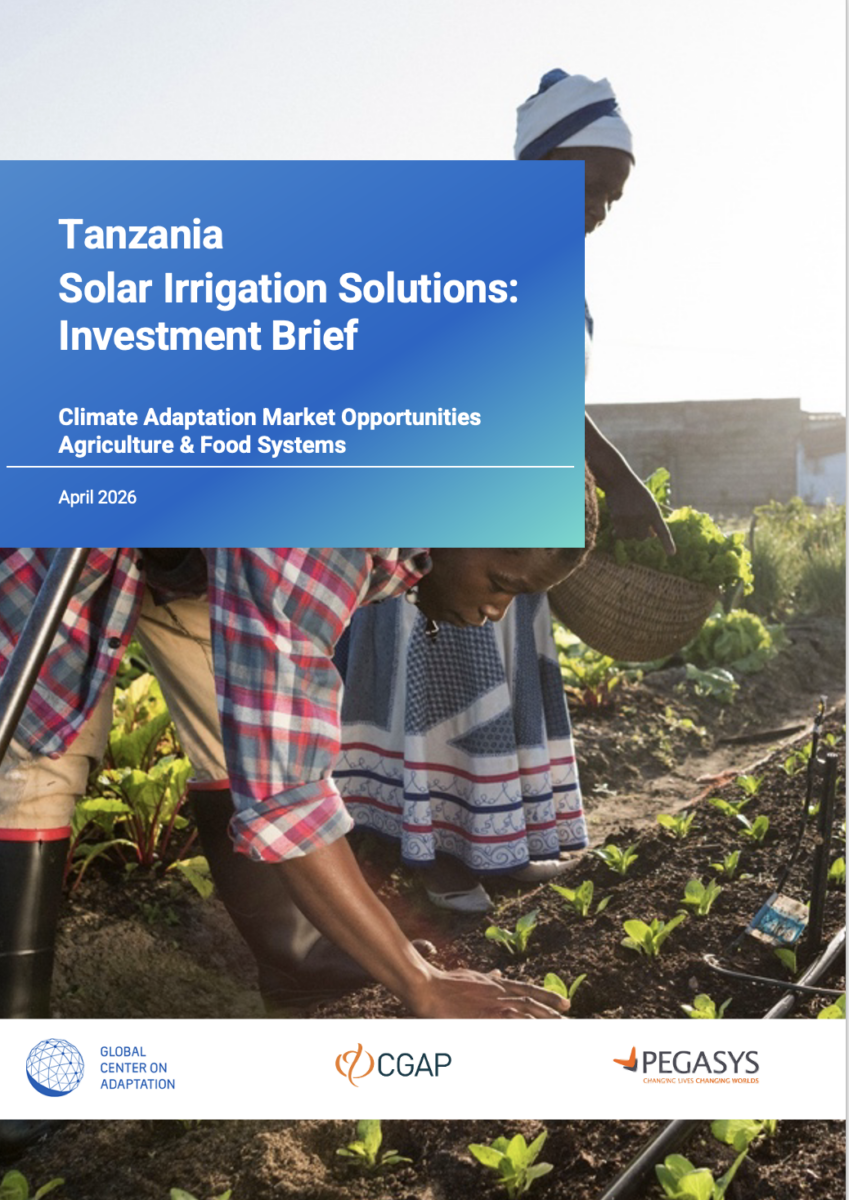
Kenya
For Kenya, the main outputs are:
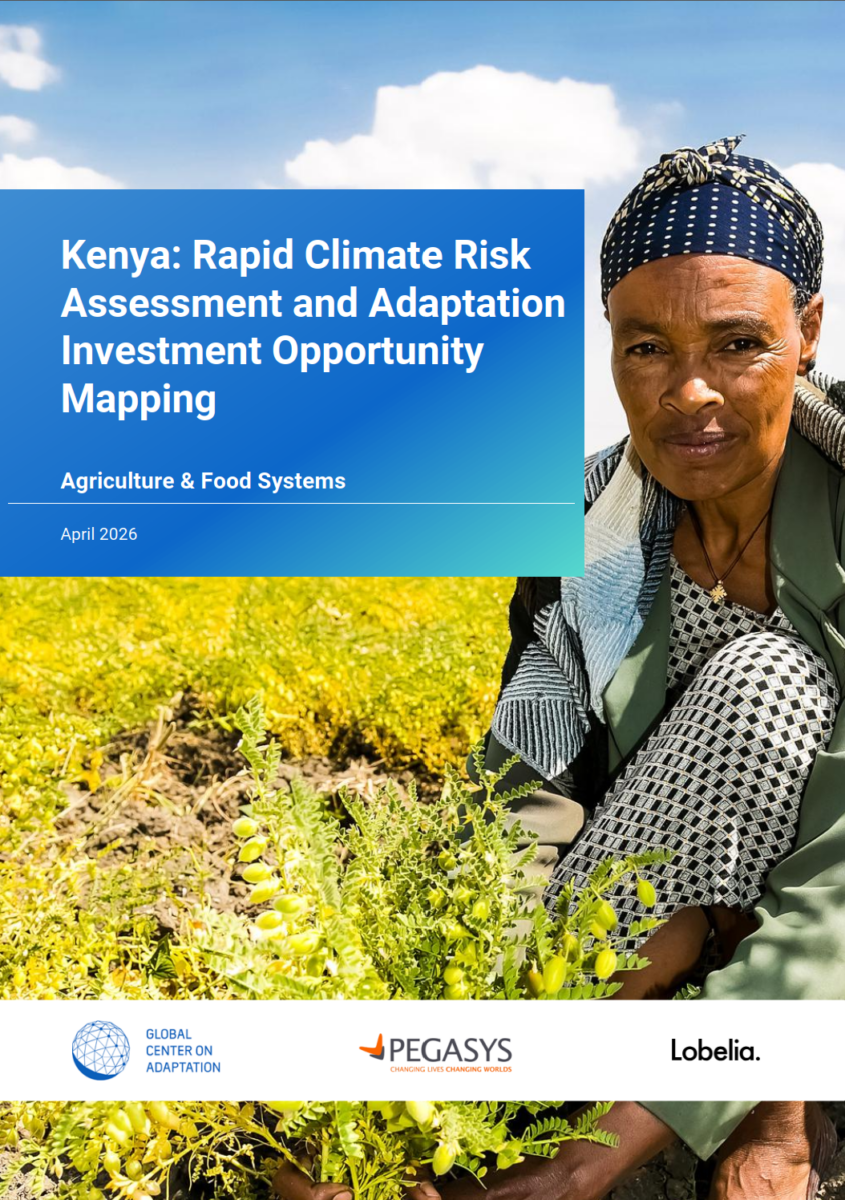
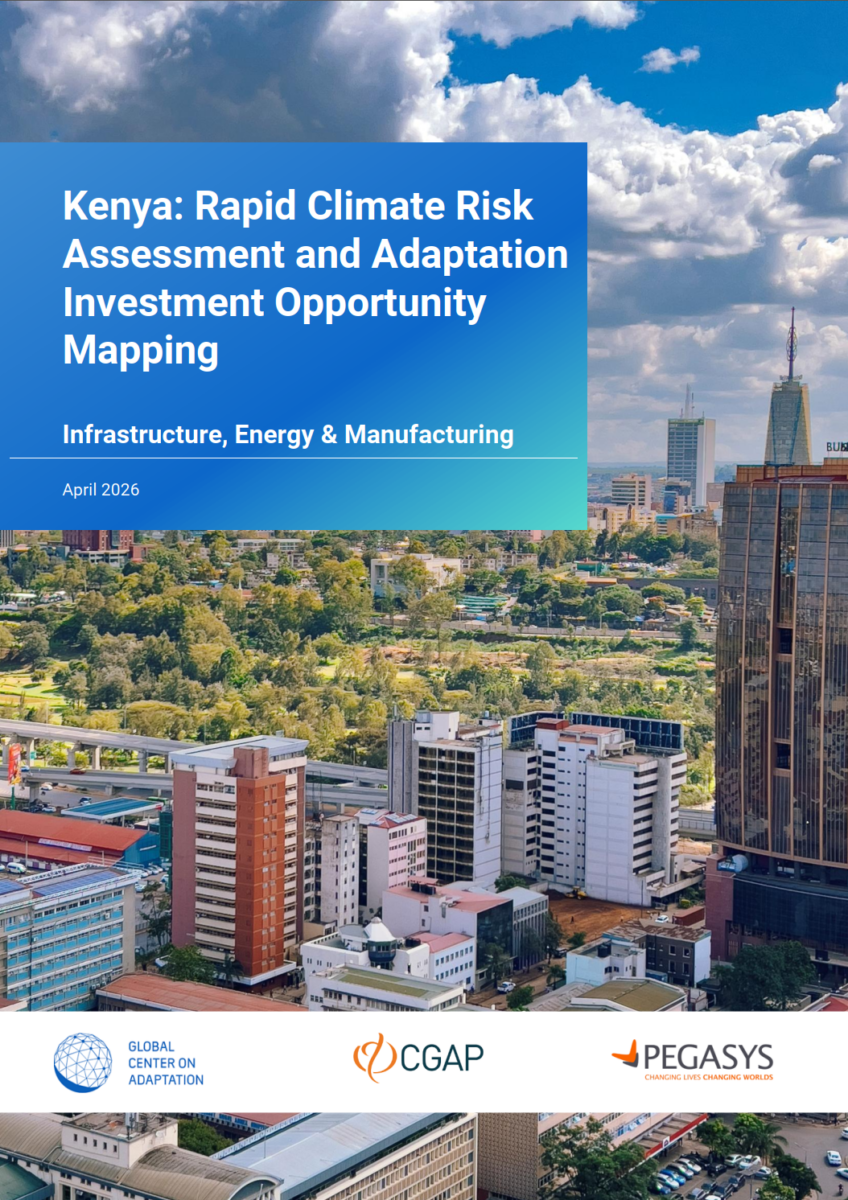
Two (2) national level Rapid Climate Risk and Adaptation Investment Opportunity Mapping reports including a short list of adaptation solutions that might be of interest to private sector financiers (1 report for agriculture and food system, 1 report for infrastructure, energy and manufacturing sectors).
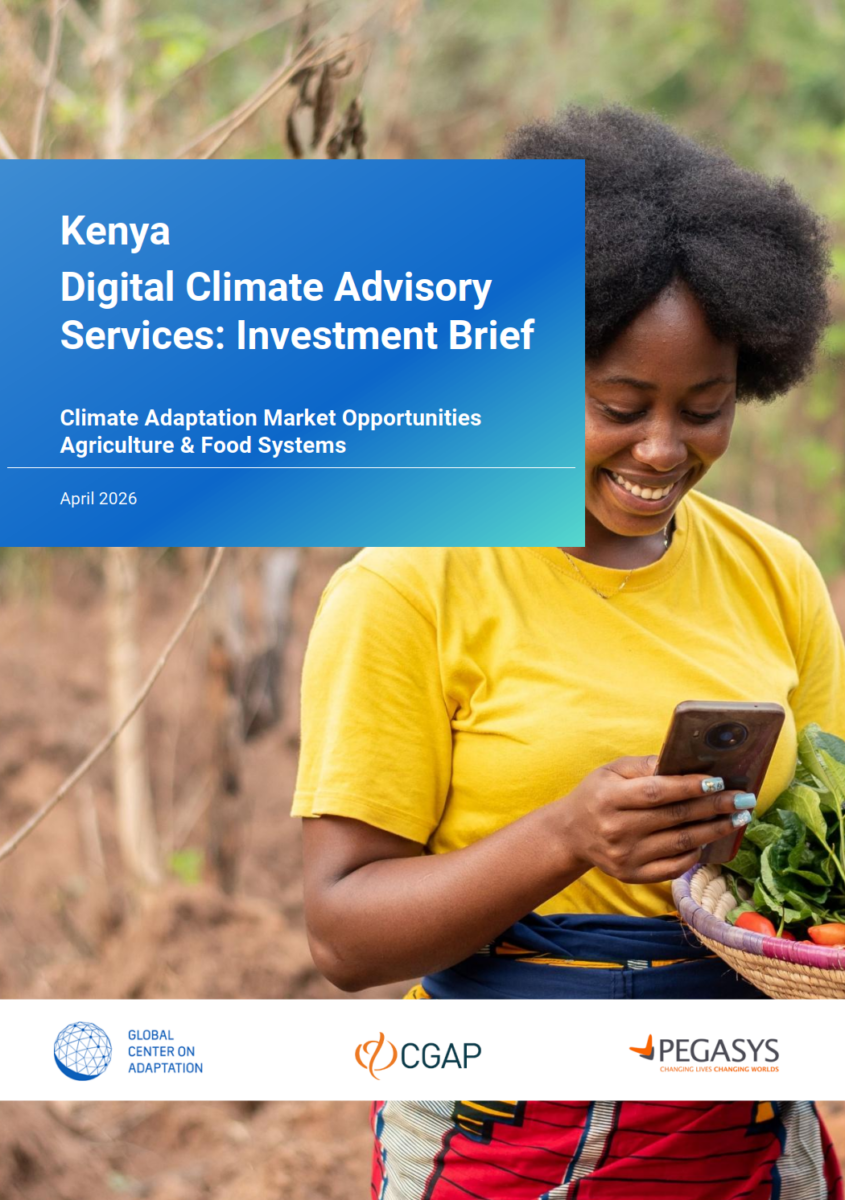
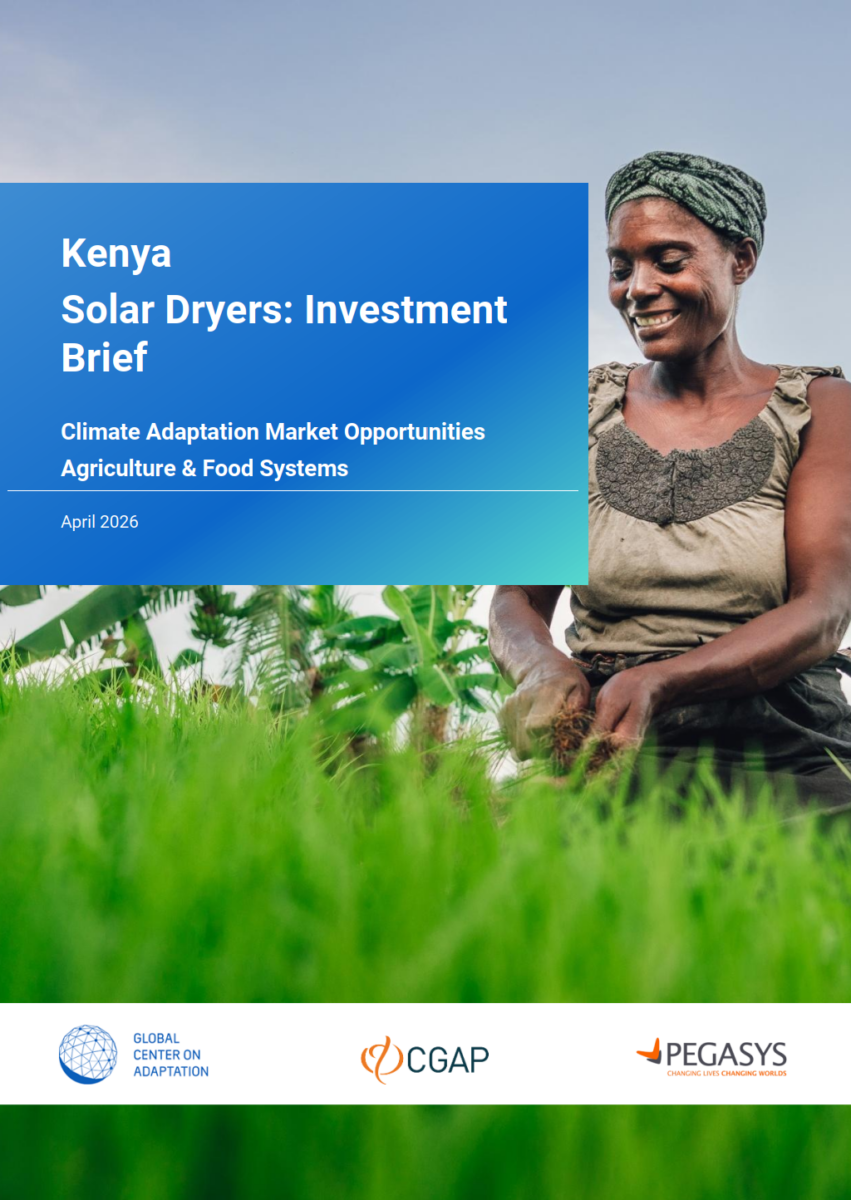
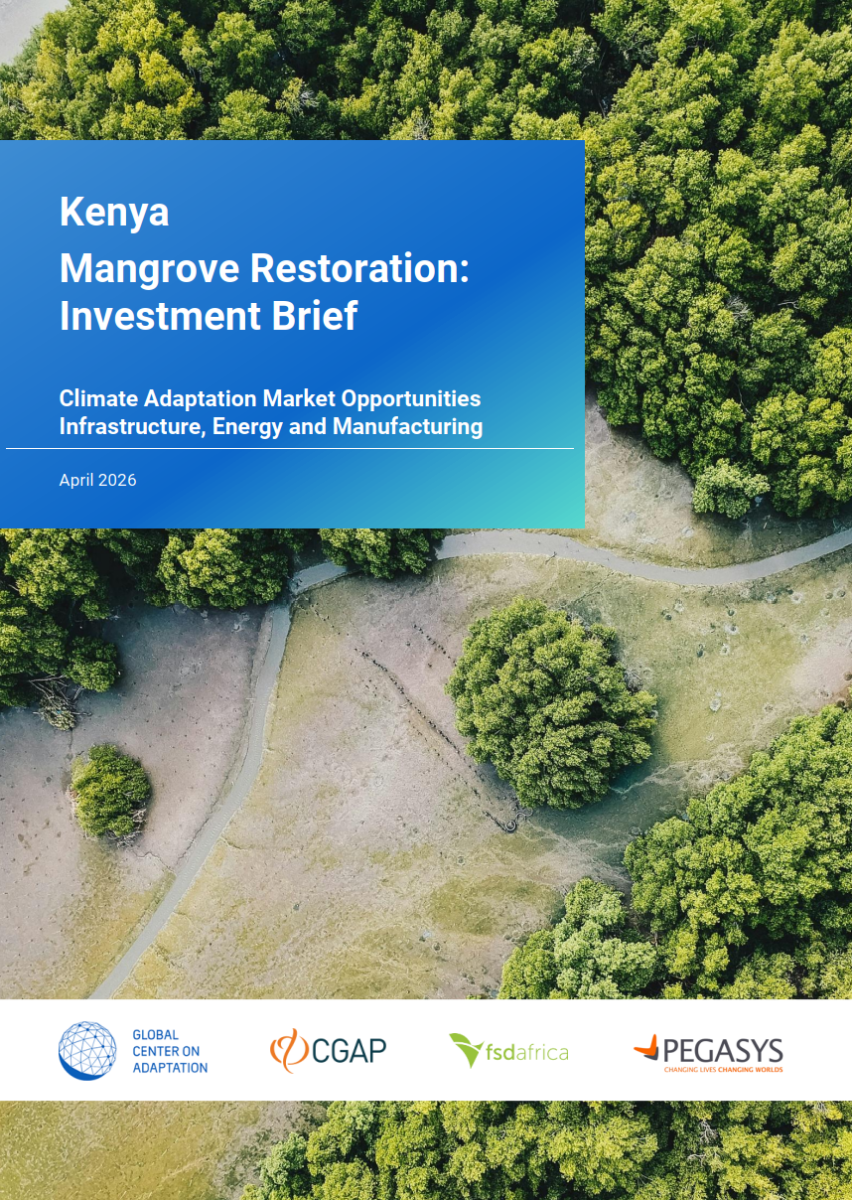
Three (3) investment briefs that offer commercial banks and other inclusive financial service providers the adaptation and business rationale for supporting coastal clients and agricultural clients.
Zambia
For Zambia, the main outputs are:
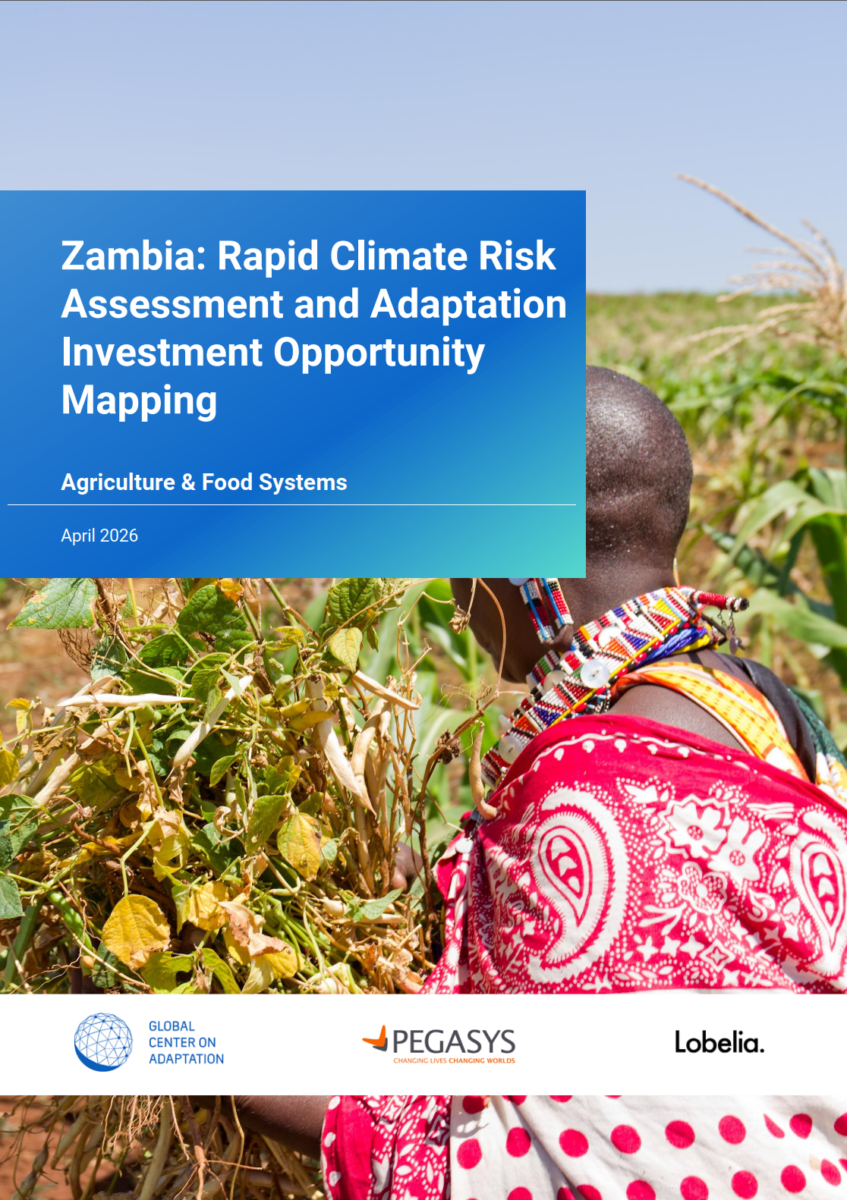
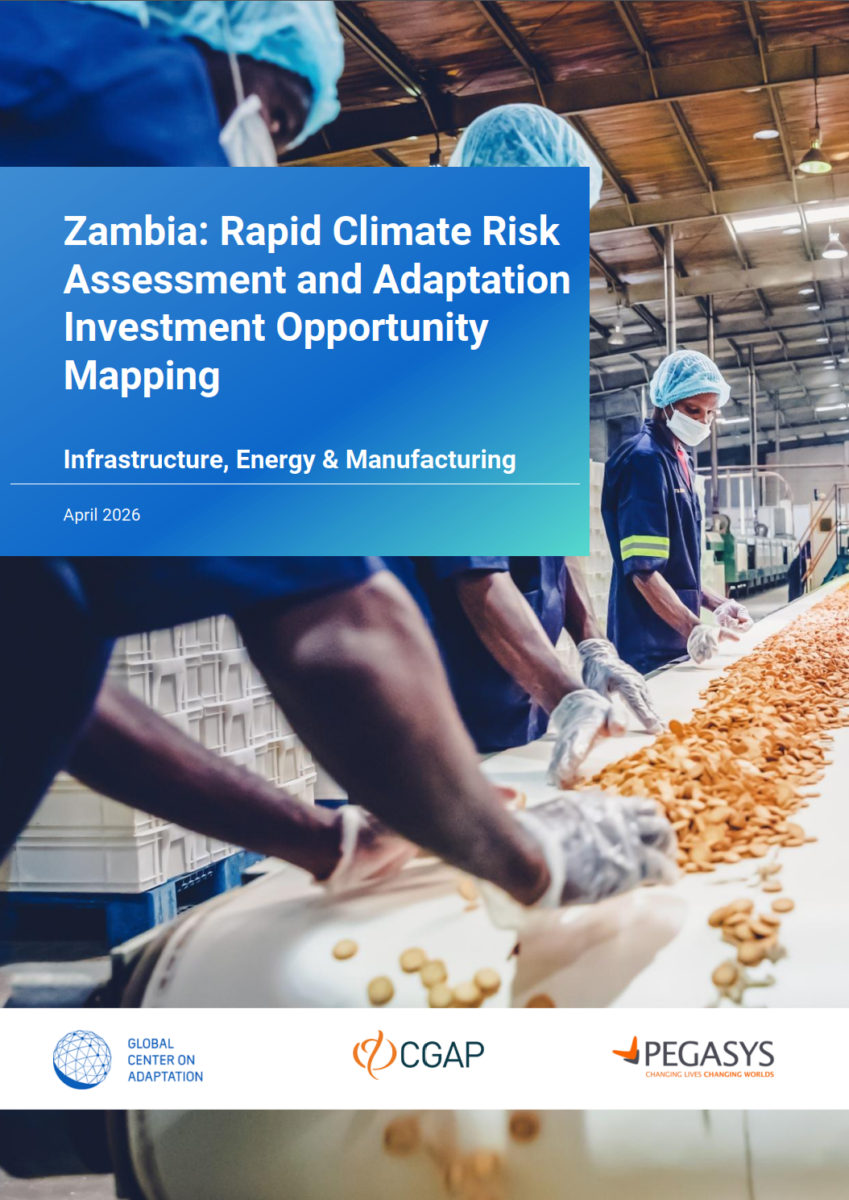
Two (2) national level Rapid Climate Risk and Adaptation Investment Opportunity Mapping reports including a short list of adaptation solutions that might be of interest to private sector financiers (one for agriculture and food system, one for infrastructure, energy and manufacturing sectors).
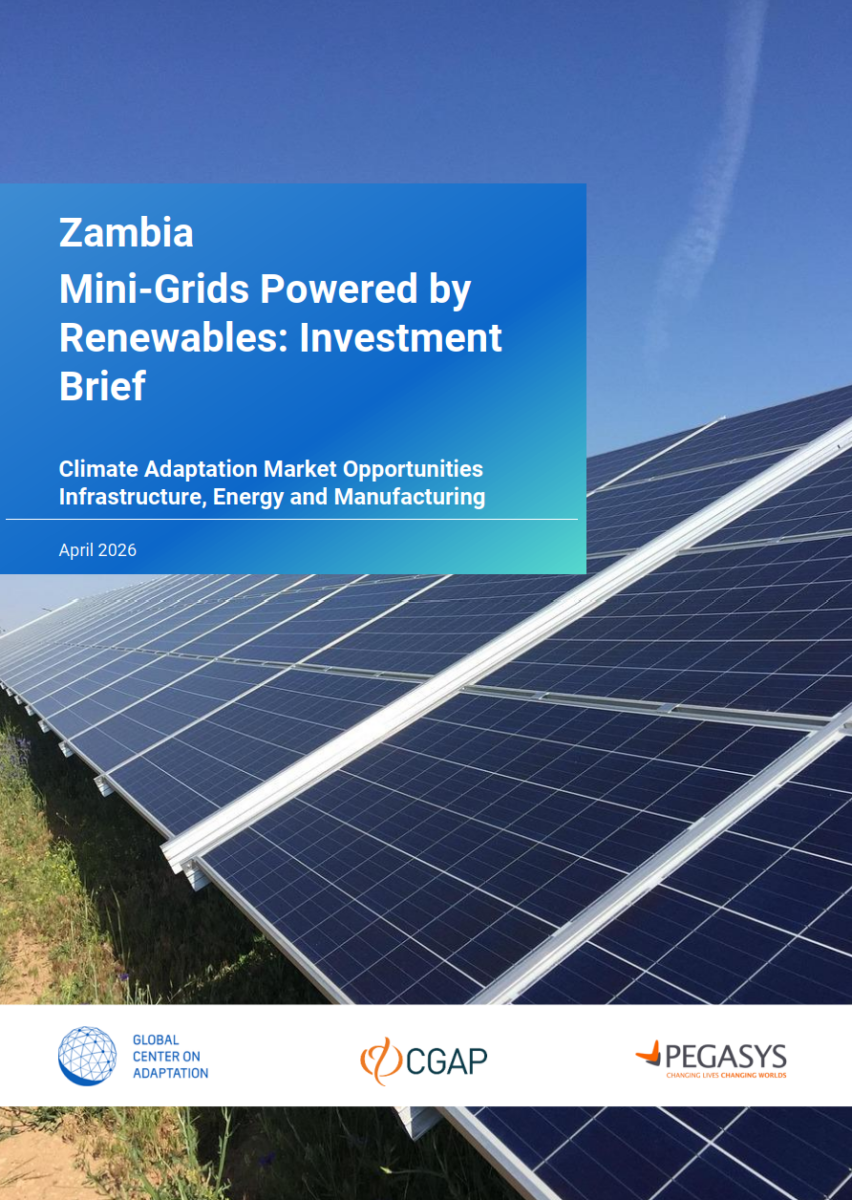
One (1) investment brief that offers commercial banks and other inclusive financial service providers the adaptation and business rationale for supporting clients with their energy needs.
Democratic Republic of Congo
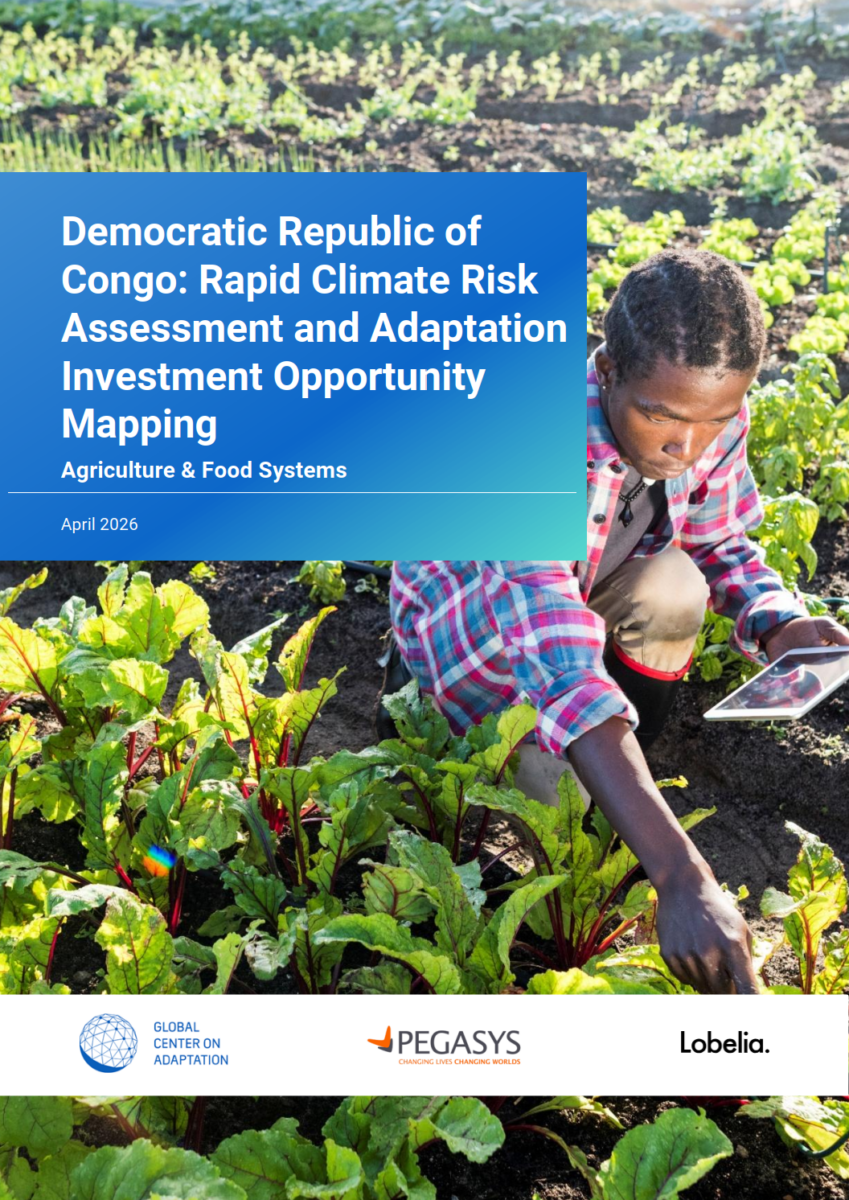
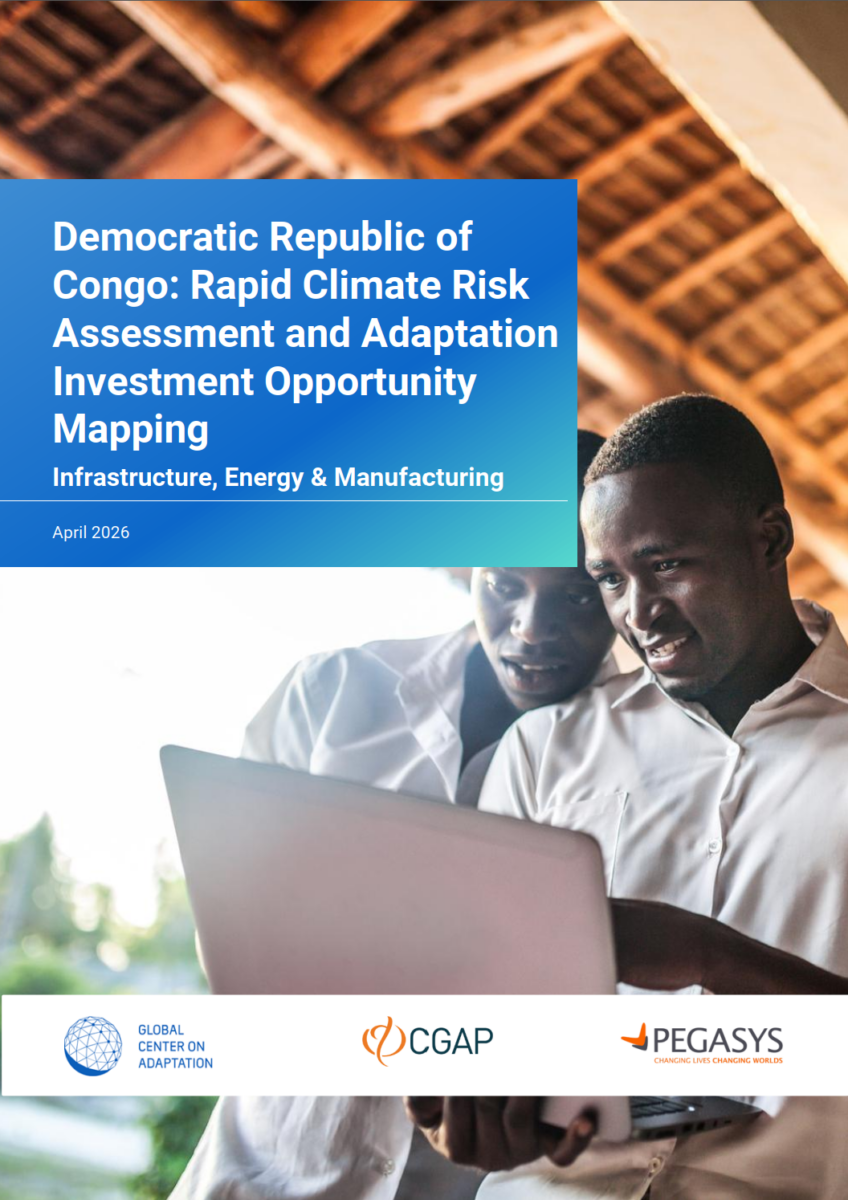
For Democratic Republic of Congo, the main outputs are two (2) national level Rapid Climate Risk and Adaptation Investment Opportunity Mapping reports including a short list of adaptation solutions that might be of interest to private sector financiers (one for agriculture and food system, one for infrastructure, energy and manufacturing sectors).
Partners:



Consultants:

Launch event
The Tanzania reports were launched during an online webinar in collaboration with Bank of Tanzania and Financial Sector Deepening Tanzania on 14 April 2026. Watch the recording of the webinar below.