
From Classrooms to Communities: Education for Climate Action in Cameroon
Cameroon is one of Africa’s most climate-vulnerable countries, facing increasingly unpredictable rainfall patterns, rising temperatures, floods, landslides, prolonged dry seasons, and the spread of climate-sensitive diseases. These impacts are experienced differently across the country’s ten regions, yet they share a common thread: communities are being forced to adapt with limited resources and limited access to practical climate knowledge.
While national climate change policies and strategies exist, a significant gap remains between high-level frameworks and everyday understanding at the community level—particularly among young people. In many secondary schools, climate change is taught largely in theoretical terms, with little emphasis on practical adaptation, innovation, or locally driven actions.
This gap inspired the Enhancing Climate Education in Schools for Sustainable Climate Action in Cameroon, a youth-led initiative that places schools at the center of climate adaptation by empowering students with practical skills, innovation, and community-oriented solutions.
Issues Witnessed Firsthand as a Result of Climate Change
Growing up in a farming community in the Northwest Region of Cameroon, I observed how changing rainfall patterns affected crop yields and household food security. Later, while studying health sciences, I witnessed how climate change exacerbates health challenges through increased heat stress, the spread of waterborne diseases, and rising rates of malnutrition. These experiences motivated me to join Support Humanity Cameroon (SUHUCAM), a development and environmental protection nonprofit organization in Cameroon.
Today, as the volunteer youth lead at SUHUCAM working closely with secondary school students, I observe another critical challenge: although many young people are aware that climate change exists, they do not see themselves as part of the solution. Students often lack opportunities to connect climate change to their daily lives, their communities, and their future careers. Without practical skills or platforms for action, climate education therefore remained abstract, leaving young people disengaged at a time when their leadership is urgently needed.
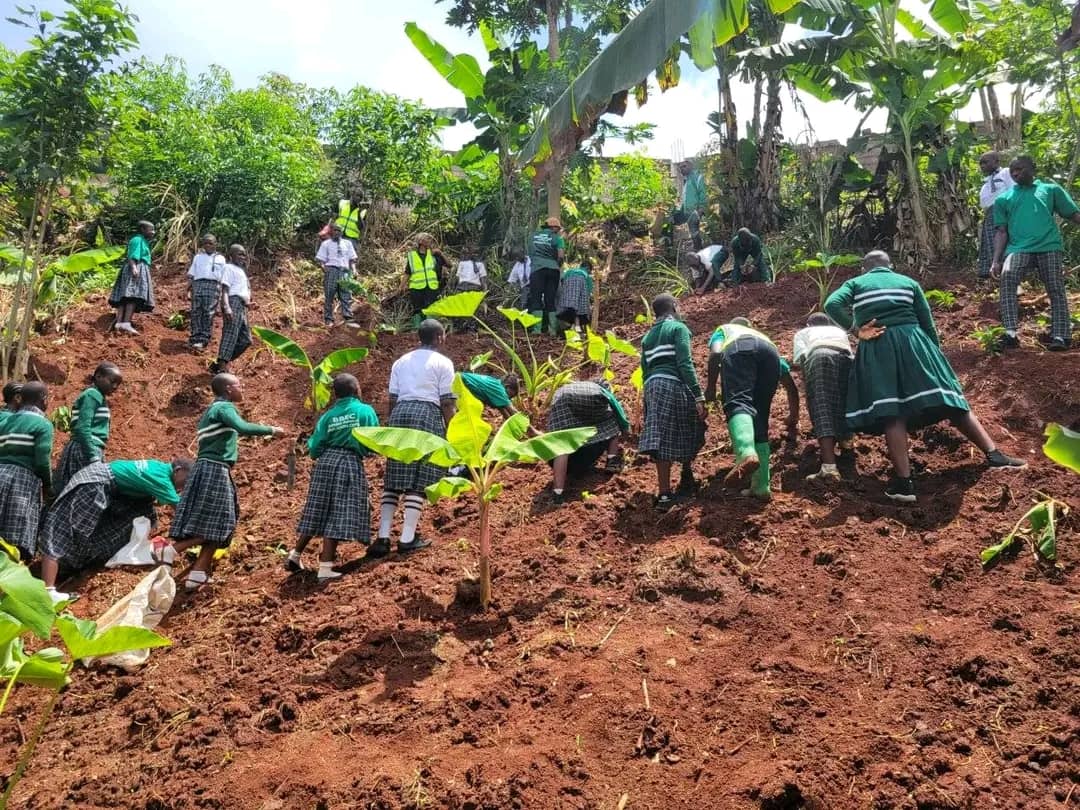
Photo Credit: SUHUCAM
The Adaptation Solution: Climate Change and Innovation Clubs
To address this gap, SUHUCAM established Climate Change and Innovation Clubs in secondary schools. These clubs are designed as safe, inclusive spaces where students learn by doing. Rather than focusing solely on theory, the clubs emphasize climate adaptation, locally driven solutions, and youth leadership.
Through the clubs, students participate in activities such as establishing regenerative school gardens, tree planting, drip irrigation, and composting. They also develop essential skills in public speaking, teamwork and climate advocacy.
Teachers are actively involved to ensure continuity, while students are encouraged to apply their learning both within schools and in their wider communities. The approach is simple yet powerful: equip young people with knowledge, skills, and confidence, and they will lead climate adaptation where it matters most.
The impact so far
Since the launch of the initiative in 2024, the Climate Change and Innovation Clubs have reached over 5,000 students across seven schools. To date, over 400 trees have been planted, two regenerative school gardens established, and more than 20 eco-club teachers trained—contributing directly to Cameroon’s Green and Clean Schools Policy and the Sustainable Development Goals (SDGs).
Beyond the numbers, the most visible impact has been a shift in mindset. Students who once viewed climate change as a distant or abstract issue now speak confidently about adaptation, resilience, and sustainability. Many have gone on to influence their peers, families, and neighborhoods by sharing lessons on waste management, environmental protection, and climate-smart practices.
Teachers have also reported increased student engagement and leadership, demonstrating that experiential climate education strengthens not only environmental awareness but overall learning outcomes.
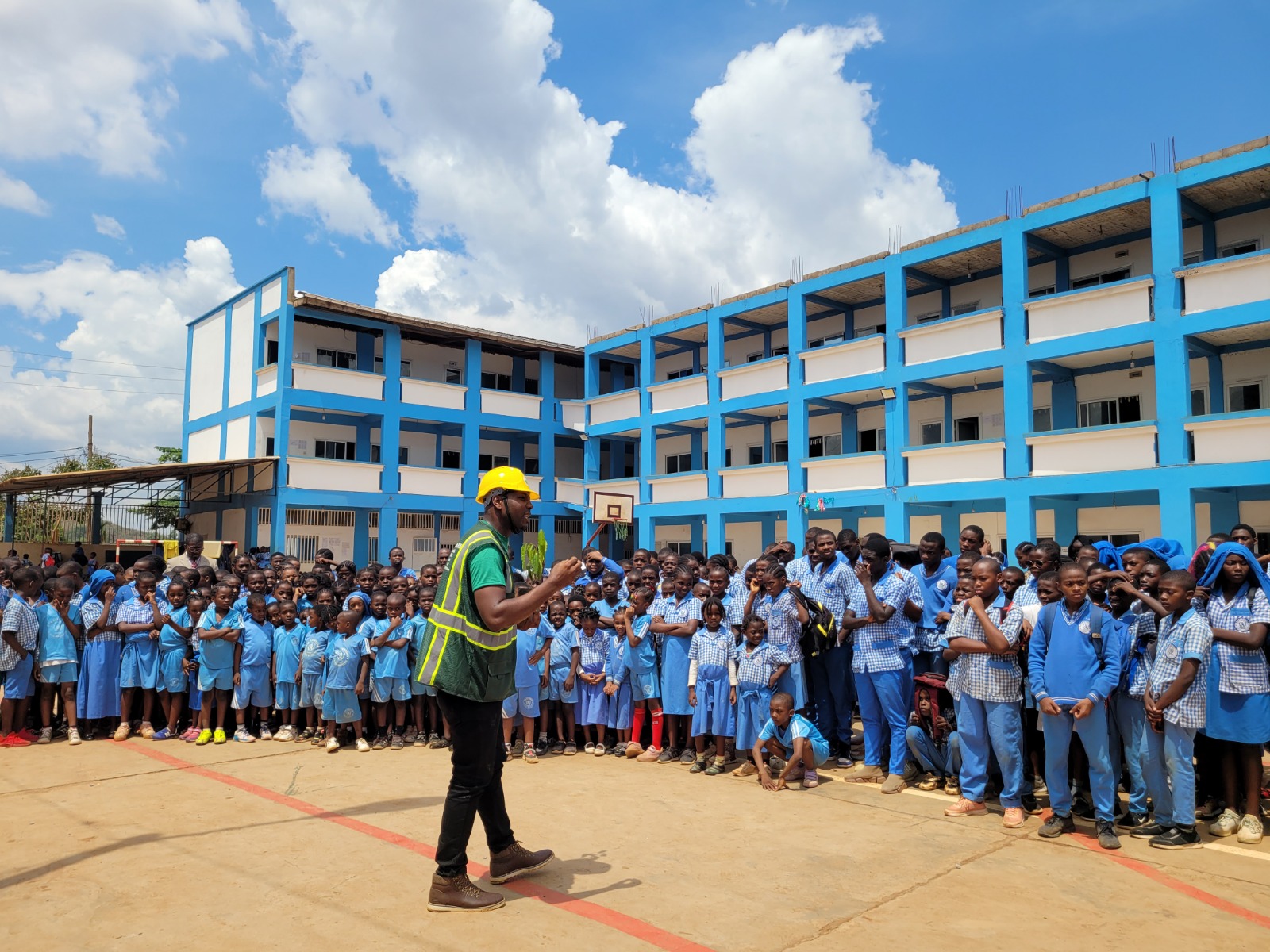
Photo Credit: SUHUCAM
Why Youth Leadership Matters in Advancing Adaptation
Africa is the youngest continent in the world, and Cameroon’s population reflects this reality. Young people are not only future leaders; they are already experiencing the impacts of climate change today. Meaningful climate adaptation will not be possible without their active and sustained participation.
I have learnt from the implementation of this initiative that Youth-led initiatives such as the Climate Change and Innovation Clubs that when young people are trusted with responsibility and supported with the right tools, they become effective agents of change. They bring creativity, local knowledge, and energy to adaptation efforts, while helping to bridge the gap between policy and practice at the community level.
By embedding climate adaptation in schools, we are not only responding to today’s challenges; we are building a generation that understands climate risks and is prepared to act. Investing in youth leadership is therefore not optional, it is essential for sustainable, inclusive, and long-term climate adaptation.

Sunday Queeniver Ngwangung
Sunday Queeniver is one of the three winners of the Youth Climate Action Adaptation Day video competition. Watch her adaptation solution here.
The ideas presented in this article aim to inspire adaptation action – they are the views of the author and do not necessarily reflect those of the Global Center on Adaptation.
