
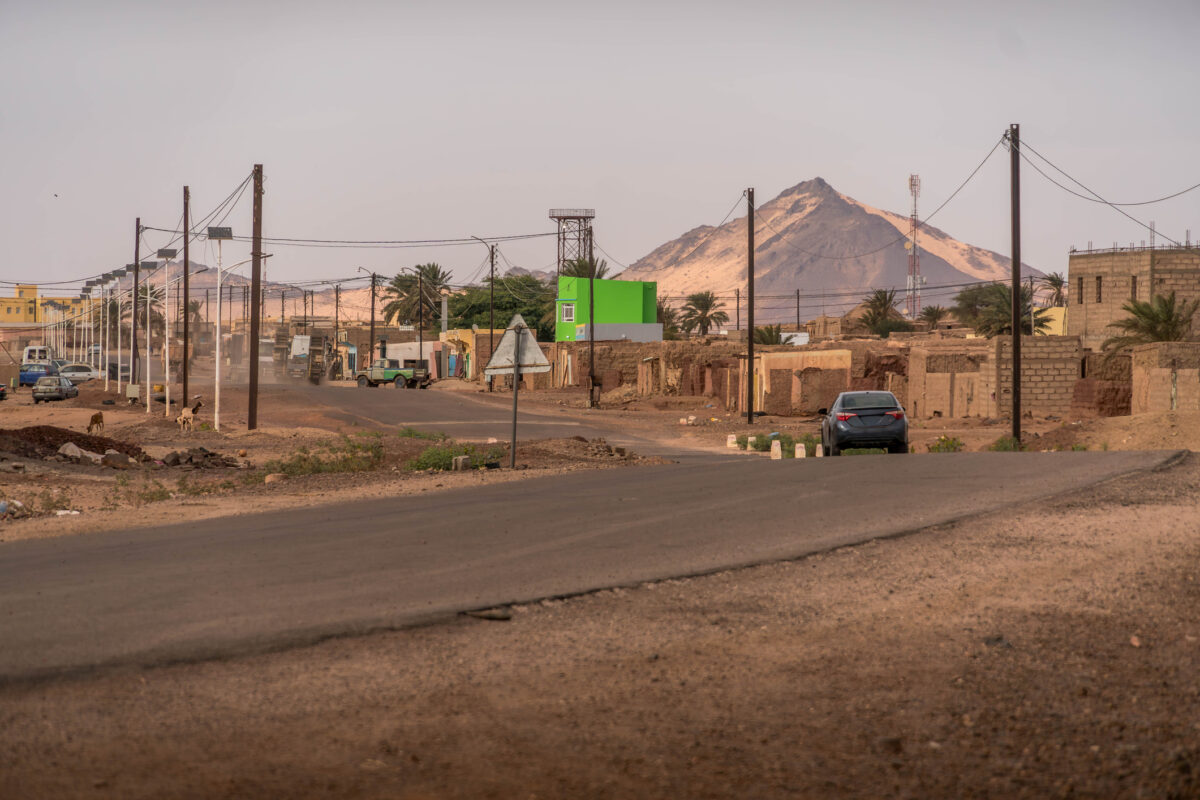
DtP Mauritania-Mali interconnection and Solar generation
Adaptation Need
GCA’s technical assistance has identified significant direct climate risks to energy infrastructure, estimated at approximately (10% of total asset value), primarily driven by wildfire, extreme heat, and sand and dust. Without adaptation, indirect impacts could also escalate, with extreme heat causing reduction of the transmission capacity and an associated revenue decrease up to 24%.
GCA’s Added Value
GCA’s recommended adaptation measures, totaling less than 2% of the investment, include higher-rating designs and enhanced operations and maintenance practices. The analysis indicates that every $1 invested in adaptation generates at least $2 in benefits and reduces direct climate risks by 80%. These measures will also mitigate cascading socio-economic impacts identified during GCA’s stakeholder consultations, particularly regarding community access to groundwater in central regions and potential impacts on food security.


Project goals
Mainstreaming Adaptation and Resilience
To address climate risks, GCA conducted a detailed climate exposure analysis of the 1,500 km transmission corridor, revealing that 100% of Lot 1 is exposed to extreme seasonal temperatures, with 66% of insulators at extreme heat risk and 45% of the line vulnerable to wildfires. While flood and landslide risks are more localized, the prolonged exposure to extreme heat is expected to significantly shorten the service life of key components such as conductors and tower structures. The climate risk assessment has further quantified these threats, estimating direct climate-related damages at €33 million—roughly 10% of total asset value—driven primarily by wildfire (50%), heat (36%), and sand and dust (16%).
GCA’s analysis also highlighted the potential for indirect climate risks, particularly during peak demand periods when extreme heat could reduce transmission capacity. These disruptions could result in revenue losses of up to 24%, particularly affecting substations and conductors. In response, GCA has identified and prioritized targeted adaptation measures—including fire-resistant maintenance zones, higher temperature-rated conductors, tower-base reinforcement, and nature-based solutions—with an estimated investment of €15 million. These actions, which entail an additional cost of less than 2%, are expected to reduce direct losses by approximately 80%, avoiding €27 million in damages. When indirect benefits are included, the cost-benefit ratio increases from 1.7 to 19, confirming the strong economic case for proactive adaptation.
Though this project, GCA has moreover ensured institutional capacity building while developing the technical assistance and with the coming Masterclass on Climate Resilient Infrastructure PPPs.
Expected Outcomes
- 50 MW peak of power produced by climate resilient facilities
- 2.25 million of people served by resilient power facilities
- 300 of jobs created (direct through construction work)
Timeline
GCA Support Status
Technical Assistance Preparation
GCA Support Implementation
December, 2023
GCA Support Completion
Monitoring
Finance
Project Investment Value
IFI partners
Contacts
General media inquiries
info@gca.orgRequest for information
infrastructure@gca.org