
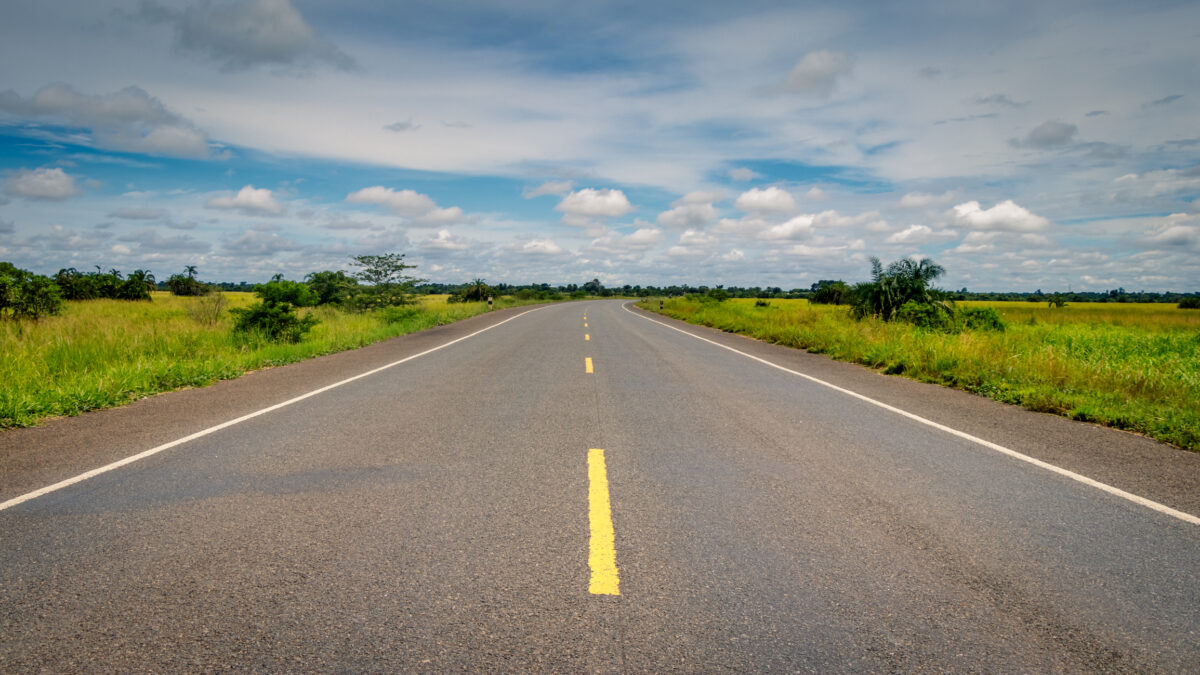
Kampala-Malaba Meter-gauge Railway Refurbishment Project
Adaptation Need
Over 90% of current traffic on Africa’s Northern Corridor is carried by road, with only 7% carried by rail due to the existing issues with the railway infrastructure. As a result, transport costs are comparatively high on the Northern corridor, ranging from 17 cents to 25 cents per ton-km for road transport. The most important climate risk in the area is pluvial flooding, which accounts for 98% of the total risk. Without adaptation measures, total annual climate risk [$mn/year] for the railway corridor is projected to increase by at least 210% by 2050.
GCA’s Added Value
GCA, through targeted technical assistance on climate resilience, evaluated climate risks for the investment and identified grey and green adaptation options, with a focus on Nature-based Solutions (NbS) to ensure the long-term resilience of the infrastructure and relevant co-benefits for communities and natural ecosystems. Through GCA’s support, the project is set to better address climate risks such as extreme temperatures and flooding. In addition, GCA strengthened local capacity for resilient railway planning by engaging stakeholders and delivering targeted training through the AAAP Masterclass on Climate Resilient Infrastructure Public Private Partnerships (PPP).


Project goals
Mainstreaming Adaptation and Resilience
To address climate risks, GCA has proposed a range of adaptation measures at the asset level, including increasing the capacity of culverts, mesh drains, and operations and maintenance (O&M) measures, as well as NbS at the catchment level, such as peak flow control structures, floodplain restoration and management, and restoration and reconnection of seasonal streams. With the proposed adaptation measures at the asset level, railway downtime can be reduced by up to 21 days annually, resulting in 12.5 extra operating days/year by 2050, transporting over 20,200 more passengers and 106,600 additional tonnes of cargo. With adaptation measures (NbS) at the catchment level, water runoff could be reduced by 30% to 50%, thereby reducing asset exposure and protecting local communities. In addition, through the AAAP Masterclass on Climate Resilient Infrastructure PPPs in 2024 in Kampala, 32 key stakeholders were equipped with practical tools to integrate climate risk considerations into infrastructure planning and investment, ensuring long-term sustainability.
Expected Outcomes
- 271 km of resilient railway lines climate-proofed
- 1.2 million people beneficiaries (40% women).
- 700 permanent jobs created, with 40% of jobs given to women
- 32 trained stakeholders in climate resilience and adaptation
Timeline
GCA Support Status
Technical Assistance Preparation
GCA Support Implementation
December, 2022
GCA Support Completion
Monitoring
Finance
Project Investment Value
Total Investment Value
IFI Investment Value
$300.99M
Other Investment Value
$111.60M
IFI partners
Contacts
General media inquiries
info@gca.orgRequest for information
infrastructure@gca.org