
Program for integrated development and adaptation to climate change in the Zambezi
Adaptation Need
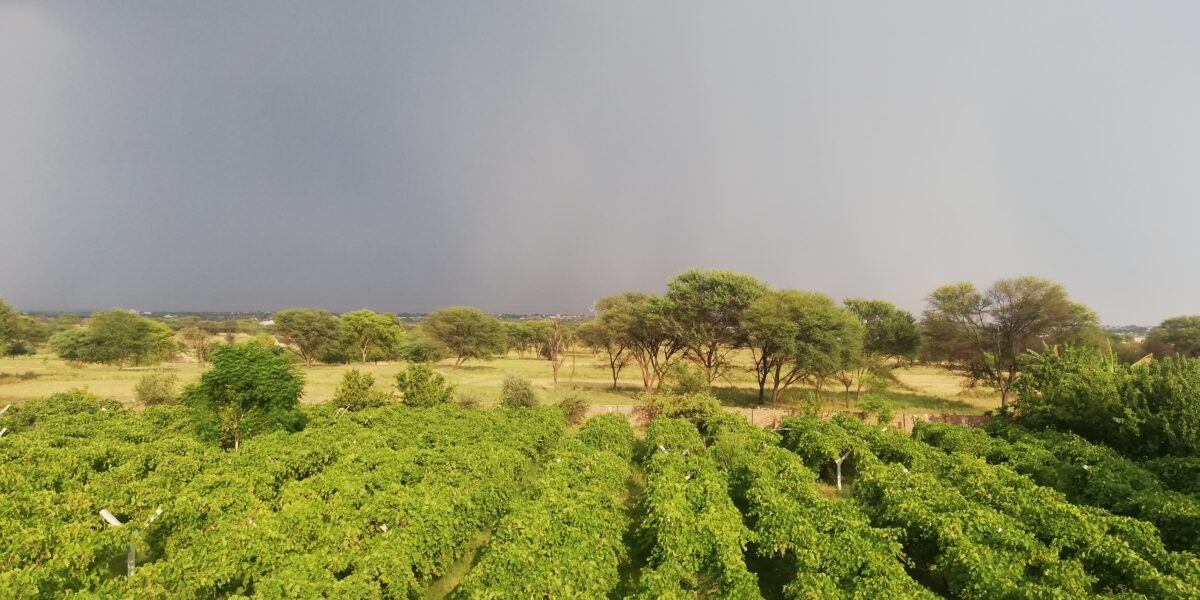
The Zambezi River Basin is increasingly experiencing climate risks such as droughts, rising temperatures, floods, and changing seasons, all of which are becoming more frequent and severe, affecting both agricultural productivity and natural ecosystems. Although these impacts vary across countries, communities within the basin are struggling to cope with these escalating ecological challenges. These conditions have led to widespread vulnerability, food insecurity, and economic hardships. Existing adaptation efforts are inadequate for building resilience at speed and scale, as reflected in high poverty levels, insufficient infrastructure, and the destructive impacts of extreme climatic events. Urgent and targeted adaptation strategies are needed to reduce risks, protect livelihoods, and support sustainable development amid the increasing climate threats.
GCA’s Added Value
GCA’s support refined the design of the PIDACC program by incorporating resilience-focused solutions and approaches. This included integrating ecosystem-based adaptation strategies through locally tailored digital climate advisory services across the basin, with the goal of strengthening community resilience, enhancing landscape management, and building adaptive and institutional capacities. To inform these efforts, GCA conducted comprehensive assessments and stakeholder consultations to identify the most urgent climate risks confronting smallholder farmers and small businesses in the Zambezi River Basin countries. The analysis also explored the potential of digital technology in climate adaptation and proposed interventions to accelerate and broaden its use for resilience building.







Project goals
Mainstreaming Adaptation and Resilience
GCA, in collaboration with the CGIAR Center—IWMI—supported the prioritization of adaptation solutions for integration into the program’s design. This involved mapping existing digital technologies with potential for climate adaptation and providing training to key actors to enhance their understanding and utilization of digital tools. Additionally, GCA analyzed barriers and opportunities related to digital technology use in climate adaptation, climate insurance, and weather risk management. Building on the generated evidence, GCA proposed action plans and engagement strategies to promote the adoption of digital technologies in the River Zambezi basin. Furthermore, GCA assisted in creating a comprehensive database of existing technologies and facilitated the development of implementation action plans that are tailored to local needs and capacities in the program participating countries.
Expected Outcomes
The following outcomes are expected to be achieved through this project:
- Improved access to productive land and water resources—for 800,000 people (50% women).
- Scaling up of digital and data-enabled climate resilient agriculture—with 3 systems/platforms established.
- Improved access to early warning information for climate adaptation and disaster risk reduction—for 300,000 people (50% female and 20% youth).
Timeline
GCA Support Status
Technical Assistance Preparation
GCA Support Implementation
December, 2022
GCA Support Completion
October, 2023
Monitoring
Finance
Project Investment Value
Total Investment Value
IFI Investment Value
$150.00M
Other Investment Value
N/A

Contacts
General media inquiries
info@gca.orgRequest for information
FoodsecurityTeam@gca.org