
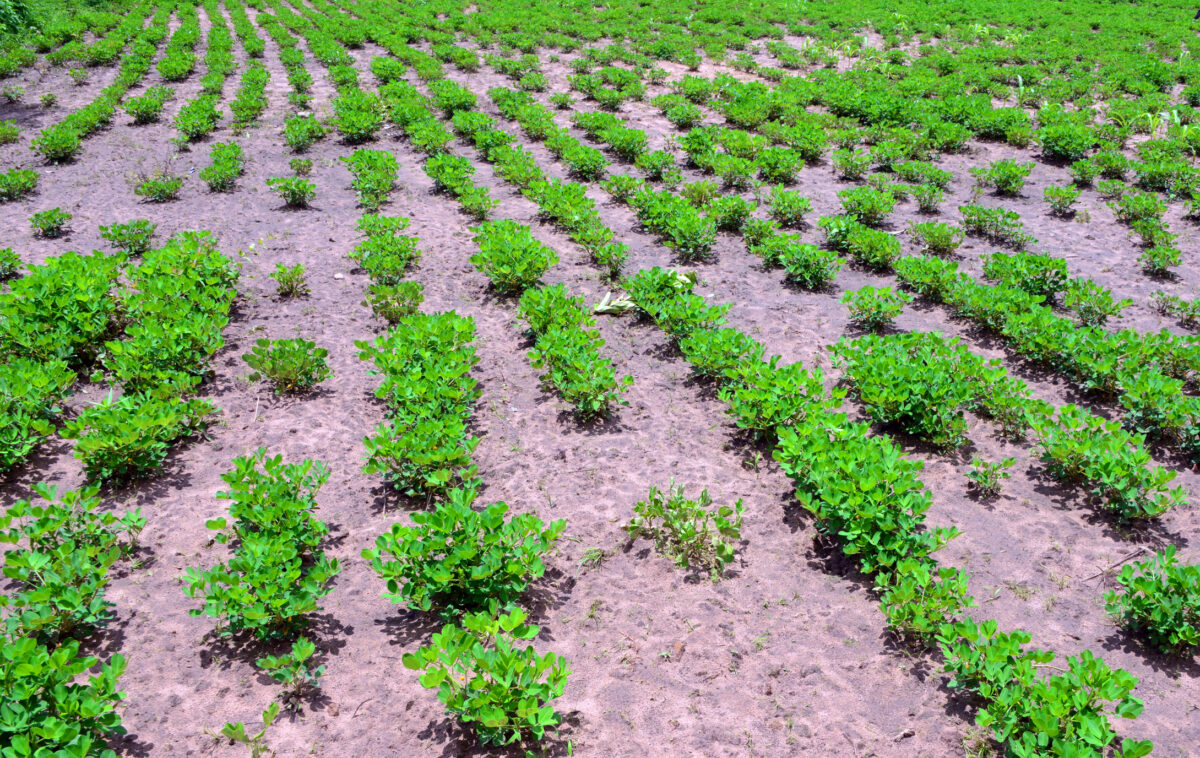
Regional Resilience Rice Value Chain Development (REWARD)
Adaptation Need
The project areas—Central River Region (North and South) and Upper River Region of The Gambia—are highly exposed to climate-related risks such as water scarcity, extreme heat, and flooding, all of which negatively impact rice production. For instance, rice production fell by 68% in 2007 compared to 2002, with similar declines observed in 2011 due to inadequate rainfall. Between 2001 and 2020, the Gambia experienced seven major floods, and a total of 13 extreme weather disaster events which displaced thousands of people and caused widespread damage to agricultural land. Without targeted climate adaptation measures for the rice crop system, future projections on the impact of extreme weather events on rice production are even more alarming. Under current climate trajectories, and in business-as-usual scenario, with no adaptation actions, rice yields could decline by 15 percent by 2040 and by up to 35 percent by 2085, resulting in an annual economic loss of USD 4.4 million.
GCA’s Added Value
GCA contributed to strengthening the resilience of the rice value chain by conducting a climate-risk modelling, at regional scale and downscaled to the five site specific project areas (Sanguleh, Safalu, Kesser Kunda, Dampha Kunda, and Limbambulu Bambo),mapping climate hazards and hotspots to identify climate adaptation measures and opportunities.. In addition, GCA assessed rice value chain vulnerability to climate change; and conducted cost-benefit analysis that generated an evidenced rationaleto unlock additional climate adaptation finance in the rice value chain.

Project goals
Mainstreaming Adaptation and Resilience
To address climate risks, GCA has identified and integrated adaptation solutions into the REWARD project to enhance the climate resilience of rice production systems in the country. These solutions focus on addressing key vulnerabilities across the value chain – including farmers, processors, and producers – in five highly vulnerable communities in the Central River (North and South) and Upper River Regions. These measures included improving water management systems (i.e. construction of rainwater harvesting and flood drainage infrastructure), scaling use of stress-tolerant rice varieties (Drought-tolerant varieties: such as NERICA 4, Flood-tolerant varieties such as Swarna-Sub1 and Heat-tolerant varieties: such as Sahbhagi Dhan) and promotion of access to rice market and revenue diversification. These adaptation and resilience measures will generate a range of positive impacts beyond the core climate adaptation goals. The results of the cost-benefit analysis indicated that the average rice yield across the five communities of Sanguleh, Safalu, Kesser Kunda, Dampha Kunda, and Limbambulu Bambo could increase from 1,296 kg/ha to 3,493.71 kg/ha, resulting in an additional cash return of USD 908,055 for the 5 communities—or approximately USD 147 per person / year in the five communities, provided the recommended adaptation measures are adopted.
Expected Project Outcomes
- Climate vulnerability level along the rice value chains across five exposed communities: Sanguleh, Safalu, Kesser Kunda, Dampha Kunda, and Limbambulu Bambo (in Central River North, Central River South, and Upper River regions) established and tailored adaptation measures identified and proposed.
- Evidence-based rationale for adaptation planning and prioritization of adaptation solutions tailored to local climate risks, including drought, flood, and heat stress achieved.
Timeline
GCA Support Status
Technical Assistance Preparation
GCA Support Implementation
November, 2024
GCA Support Completion
Monitoring
Finance
Project Investment Value
Total Investment Value
IFI Investment Value
$39.89M
Other Investment Value
$3.24M
IFI partners
Contacts
General media inquiries
info@gca.orgRequest for information
FoodsecurityTeam@gca.org