
Borana Resilient Water Development for Resilient Livelihoods Program (Phase I+II)
Adaptation Need
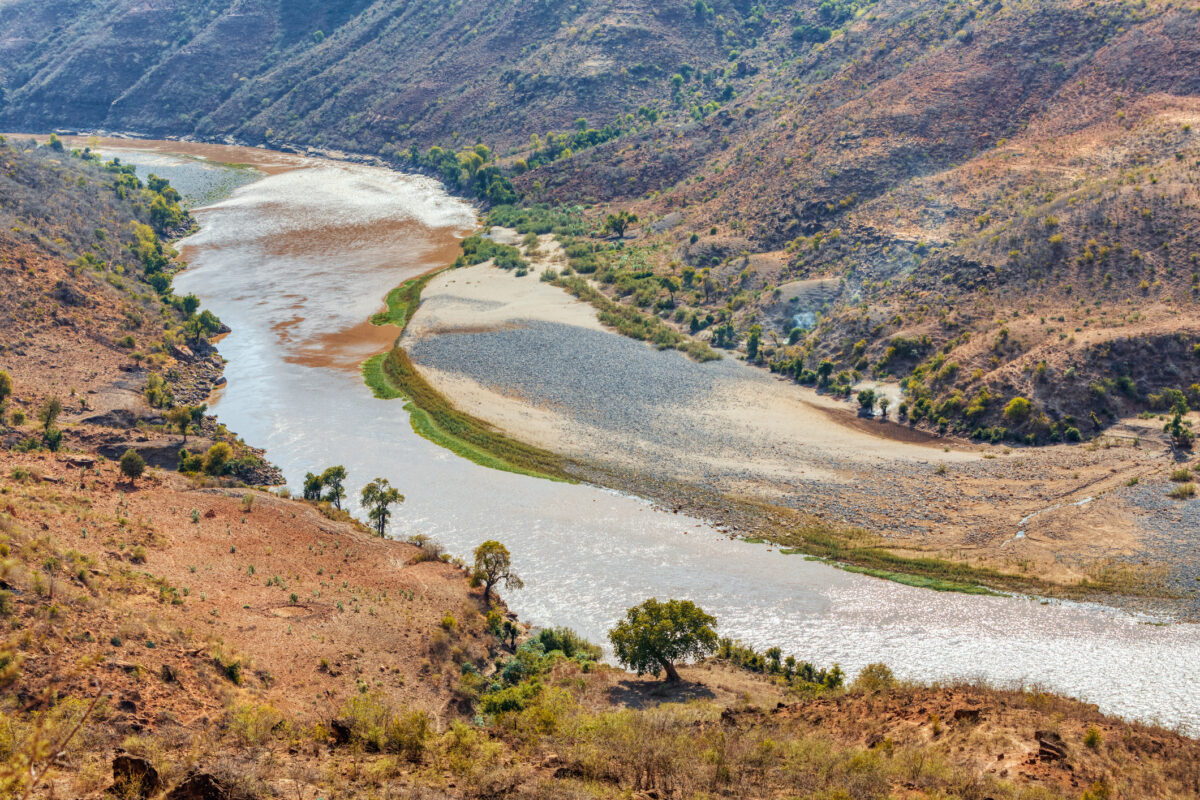
Ethiopia is Africa’s second most populous country and the third-largest economy in Eastern and Southern Africa. Climate change in the Borana region is driving higher temperatures, extreme water scarcity and devastating floods, resulting in poor pasture productivity and growing food insecurity. Women and girls in the region are disproportionately affected. These effects include an increase in poverty, loss of livestock (a key source of livelihood for women in the region), reduced productivity, difficulty in maintaining proper hygiene, and are linked to increased gender-based violence. Interventions to date have been piecemeal, unsustainable and reactive, leaving communities without viable water management infrastructure even as water scarcity worsens.
GCA’s Added Value
Central to GCA’s role was a climate risk assessment of the Borana watershed—an analysis that pinpointed six climate hotspots across the Borana region. The findings directly informed the design of climate-smart infrastructure and natural resource management interventions. One of the most critical components analyzed was the Gelchet-Sarite water transmission route, a vital pipeline serving over 100,000 people and livestock. GCA’s modeling identified enhancements necessary to make this vital infrastructure more climate resilient: small-scale flood defenses, groundwater recharge structures, water storage systems and erosion controls. Separately, GCA’s Gender Vulnerability Assessment identified how climate change disproportionally impacts women. A Gender Action Plan identified ways to facilitate gender responsive activities within the AfDB project. Among the clearest outcomes of GCA’s engagement was the successful mobilization of an additional USD 9.4 million in climate adaptation finance through AfDB’s Climate Action Window—an 18% increase in total project financing.

Project goals
Mainstreaming Adaptation and Resilience
The Borana Resilient Water Program offers a replicable model for integrating climate adaptation into large-scale development efforts. With support from AAAP, GCA delivered a major shift in the program’s design, from reacting to climate risks to anticipating and managing them systematically from the outset. This shift was achieved by incorporating high-resolution climate modeling, risk mapping, and in-depth community consultations to identify targeted resilience measures. These measures were co-developed with zonal authorities, local leaders, and women’s groups, ensuring they are locally relevant, socially inclusive, and sustainable. This strong foundation helped unlock critical adaptation finance to turn recommendations into action.
Expected Outcomes
The program enhanced socio-economic development by embedding climate adaptation and resilience solutions into infrastructure planning across the Borana Zone.
It identified priority actions targeting improved water management, health, gender equity, and access for marginalized groups.
A gender-responsive action plan helped reduce disparities in water access and increased women’s participation in water governance and climate adaptation efforts.
The program informed a successful proposal that mobilized US$9.4 million in additional climate finance through the AfDB’s Climate Action Window.
Timeline
GCA Support Status
Technical Assistance Preparation
GCA Support Implementation
GCA Support Completion
February, 2024
Monitoring
Finance
Total Investment Value
IFI Investment Value
$13.95M
Other Investment Value
$21.72M
IFI partners
Contacts
General media inquiries
info@gca.orgRequest for information
waterandurban@gca.org