
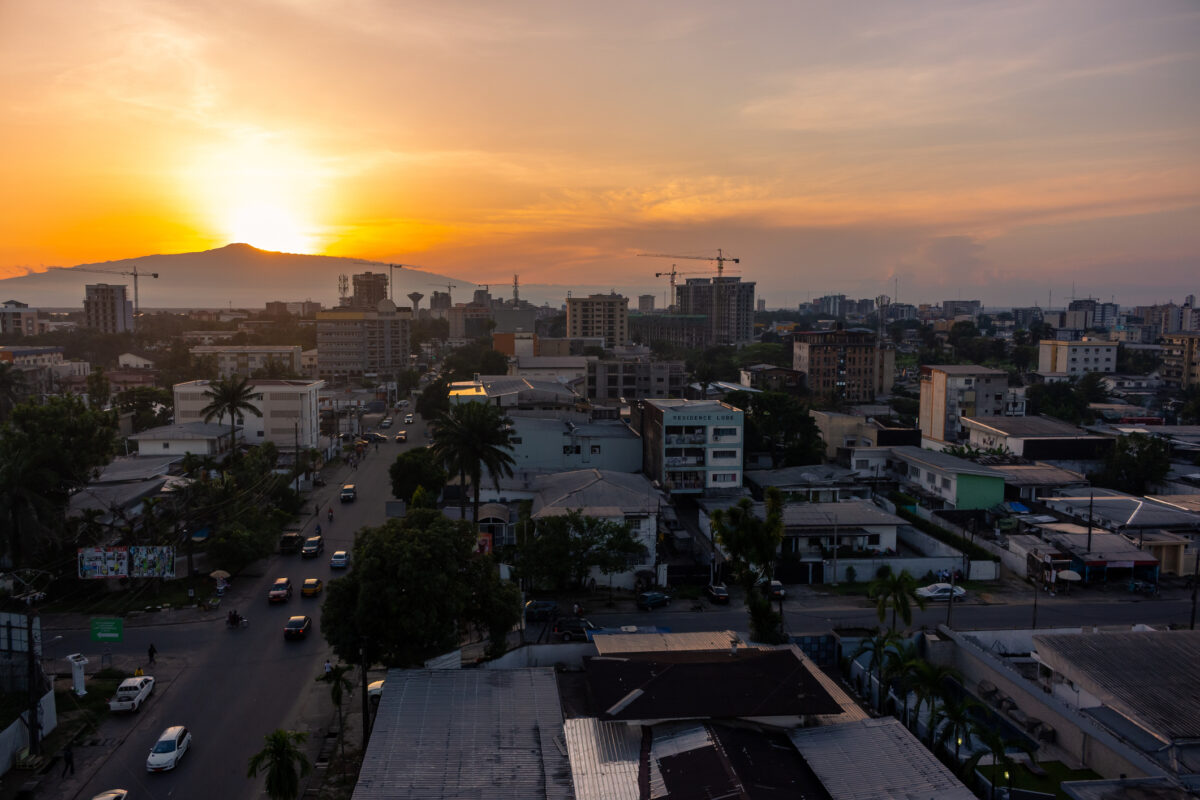
Cameroon Sustainable cities and land project
Adaptation Need
Douala and Yaoundé face escalating climate risks, including frequent urban flooding, landslides, and poor drainage that damage homes, roads, and essential services. Informal settlements are particularly vulnerable due to unstable terrain and insecure land tenure, which limit residents’ ability to invest in safer housing or access post-disaster support. Women and displaced populations face heightened risks from unsafe housing, limited mobility, and insecure public spaces. With temperatures projected to rise by 3.9°C and annual rainfall by 5.8 mm over the next 20 years, these climate impacts are expected to intensify. Weak institutional capacity and service delivery leave vulnerable communities increasingly exposed to climate shocks, infrastructure failure, and social vulnerability.
GCA’s Added Value
GCA conducted a preliminary gender and climate vulnerability analysis that shaped the early design of the World Bank project. It showed that climate-driven flooding and landslides will worsen mobility and access challenges, especially for women who depend more on walking and public transport. In Yaoundé and Douala, poor drainage, limited lighting, and unsafe pedestrian infrastructure increase risks for women in flood-prone areas. GCA helped develop a gender action plan with inclusive design features like solar lighting, better walkways, and safer routes to schools, markets, and health facilities. These were incorporated into the project’s infrastructure subcomponent to ensure climate-resilient investments also reduce gender gaps in safety and access. Gender tagging by GCA ensured gender considerations were fully integrated across all project components. The Project Appraisal Document explicitly acknowledged this contribution, demonstrating that GCA’s inputs directly shaped the project’s final design. In the next phase, GCA will support risk-informed asset management and adaptive maintenance to boost urban transport resilience.
Project goals
Mainstreaming Adaptation and Resilience
GCA recommended features like raised walkways to reduce flood impacts on vulnerable groups and maintain safe mobility. GCA will support climate-adaptive maintenance plans for drainage clearing, swift flood damage repairs, and risk-informed asset management to limit transport disruptions.
Expected Outcomes
- Improved access to inclusive, climate-resilient urban infrastructure and services in Cameroon, by better integrating vulnerability and gender considerations into investment decisions, ensuring that urban infrastructure is both inclusive and climate-resilient.
- Targeted Investments in Vulnerable Areas, with the results of the vulnerability assessment guiding the prioritization of neighborhoods for investment.
- Narrowed gender gap: Measures informed by the gender vulnerability assessment will improve access to basic services and enhance resilience to floods for women
- Enhanced resilience of local urban roads (including drainage systems) through climate risk-informed prioritization and phasing of upgrades (including the upgrade of the urban transport and road asset management systems), and preventive maintenance activities.
Timeline
GCA Support Status
Technical Assistance Preparation
GCA Support Implementation
May, 2025
GCA Support Completion
Monitoring
September, 2025
Finance
Project Investment Value
Total Investment Value
IFI Investment Value
$200.00M
Other Investment Value
N/A
IFI partners
Contacts
General media inquiries
info@gca.orgRequest for information
waterandurban@gca.org