
Gambia Transport and Energy Reinforcement
Adaptation Need
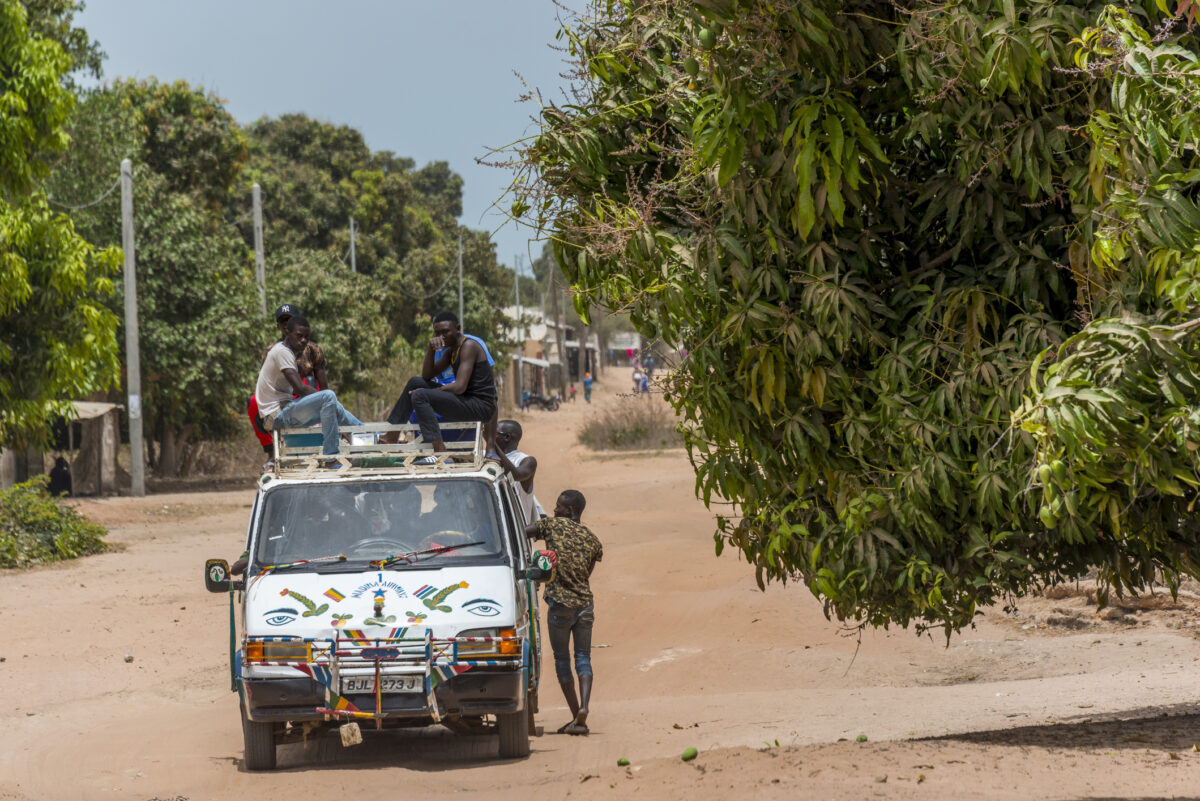
The Gambia is already experiencing severe climate impacts, including heavy rainfall and flooding that affect rural communities. GCA’s analysis shows a warming trend, declining water resources, and rising flood risks, with projected annual road infrastructure losses of up to 5% by 2050. Inland areas may face over 168 days per year above 40°C, along with increased drought and wildfire risks. These changes threaten connectivity, energy transmission, and essential services, with ripple effects on water and food systems and disproportionately affect remote rural communities.
GCA’s Added Value
GCA’s support involves prioritizing infrastructure investments under the adaptation angle, to support enhanced connectivity, the identification and appraisal of targeted adaptation solutions, and developing implementation guidelines to enhance current design standards. Additionally, GCA is supporting the World Bank Group and its partner, the African Development Bank Group, in advancing a climate-resilient National Transport Masterplan by identifying climate hazards and vulnerabilities at the national level. This effort aims to reaffirm sectoral ambitions that integrate climate change considerations and development priorities, with a focus on embedding long-term strategies for decarbonization and climate resilience.


Project goals
Mainstreaming Adaptation and Resilience
To address escalating climate risks in The Gambia, GCA identified and prioritized technically feasible and economically viable adaptation measures across transport and energy infrastructure. For roads, targeted interventions include using polymer-modified asphalt binders, elevating roads with drainage and culverts, and redesigning bridges based on future hydrological conditions—together reducing direct flood-related damages by up to 100% and indirect impacts by over 40%. In the energy sector, adaptation options such as upgrading transformer cooling systems and insulation materials, as well as installing interphase spacers on distribution lines, are expected to reduce indirect outage risks by up to 40%. Cost-benefit analyses confirmed strong economic justification for select measures, particularly rural road and bridge upgrades, and urban energy adaptations, with benefit-cost ratios as high as 7.2. These measures aim to embed climate resilience in infrastructure design and operations, ensuring long-term service continuity and protecting vulnerable communities across The Gambia.
Expected Outcomes
Outcomes of GCA’s support include:
- 100km of climate-resilient rural roads
- 50km of climate-resilient urban roads
- Climate-resilient and safer energy access for 225 rural communities
- Expanded energy access to urban communities
Timeline
GCA Support Status
Technical Assistance Preparation
GCA Support Implementation
May, 2025
GCA Support Completion
Monitoring
Finance
Project Investment Value
Total Investment Value
IFI Investment Value
$52.60M
Other Investment Value
N/A
IFI partners
Contacts
General media inquiries
info@gca.orgRequest for information
infrastructure@gca.org