
Kananga Emergency Urban Resilience Project
Adaptation Need
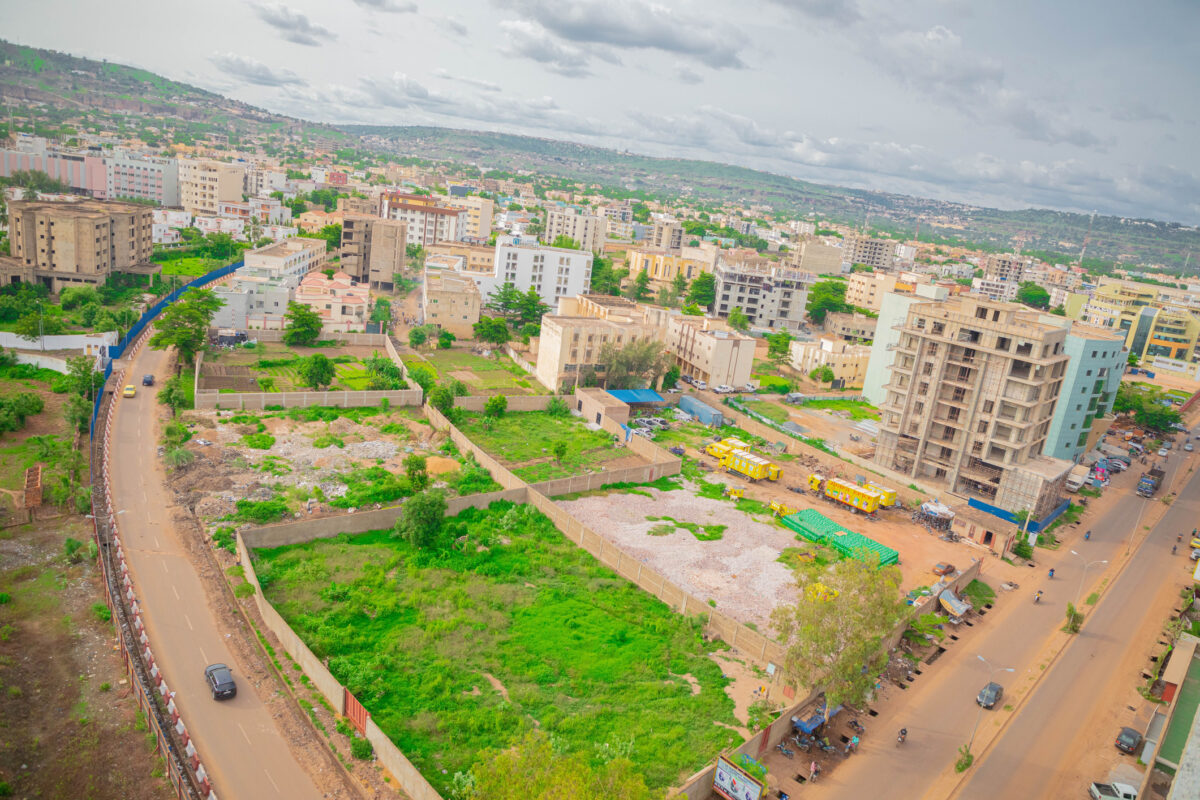
The Democratic Republic of the Congo (DRC) is highly vulnerable to climate change, but lacks the capacity to respond to current and projected climate impacts. The DRC is classified as a fragile state due to ongoing conflict and poor governance, and ranks 164 out of 174 on the Human Capital Index. In Kananga, the fourth largest urban area in the country, sandy soils are naturally prone to erosion. This risk is intensified by poor drainage, unregulated construction, and unsustainable urban agriculture that leave soil exposed. Climate change is expected to worsen these conditions through more intense, erratic rainfall. As of 2023, over 60 gullies, some up to 30 meters deep, cut through Kananga, collapsing more than 500 buildings, affecting more than 17,000 people. At least three kilometers of paved roads have eroded. In a city still recovering from recent armed conflict, these climate impacts threaten social fragility and recovery.
GCA’s Added Value
GCA is promoting nature-based soil and water management (NBSWM) investments that will reduce climate risks in Kananga by leveraging proven approaches deployed across five Congo Basin countries. Our work identifies home-grown NBSWM practices already in use in DRC, evaluates their cost-effectiveness through pre-feasibility analyses, and suggests how these can be adapted and replicated at a larger scale to address twin challenges of flooding and erosion. Appropriate solutions will be compiled into a Compendium of NBSWM Investments, which informs future investments by the World Bank and national government.
Project goals
Mainstreaming Adaptation and Resilience
The Compendium will outline prioritized NBSWM project designs proposed for implementation under World Bank investments, while also serving as practical guidance for future flood and erosion reduction efforts. To support long-term uptake, GCA is upskilling government capacity to integrate NBSWM practices into infrastructure investments through peer-to-peer learning workshops for technical staff, combined with on-site field training. A field-tested training manual is also being developed using accessible language, visuals, and practical guidance tailored to low-capacity environments.
Expected Outcomes
- People, assets, and infrastructure are protected from gulley erosion damage, including roads crucial to connectivity, homes, and marginalised communities.
- Strengthened government, local organizations, and community capacity to prepare for and manage gully erosion and other climate impacts in urban areas thanks to a compendium of nature-based solutions, workshops, and a training manual.
Timeline
GCA Support Status
Technical Assistance Preparation
GCA Support Implementation
GCA Support Completion
Monitoring
Finance
Project Investment Value
Total Investment Value
IFI Investment Value
$100.00M
Other Investment Value
N/A
IFI partners
Contacts
General media inquiries
info@gca.orgRequest for information
waterandurban@gca.org