
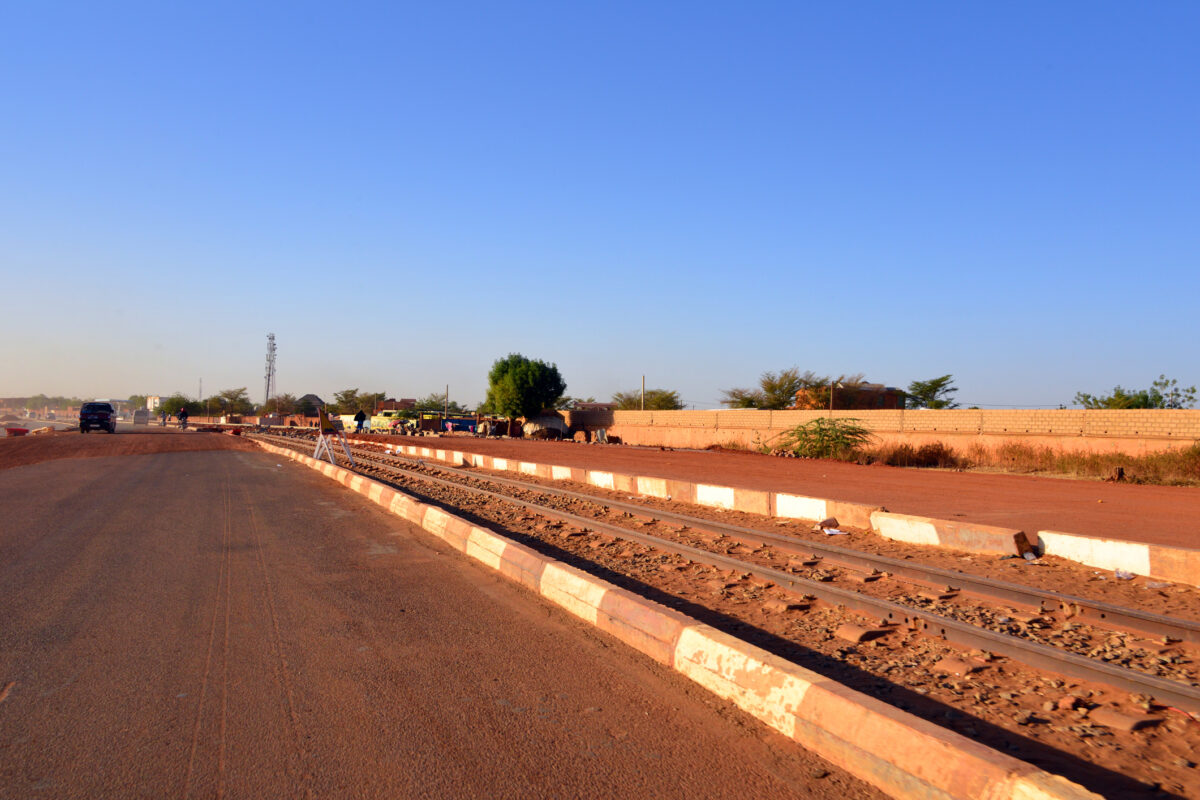
Southern Niger Connectivity and Integration Project
Adaptation Need
The Trans-Saharan Road corridor is crucial for logistics and cross-border trade but is vulnerable to climate hazards such as extreme heat and flooding. The increasing frequency and intensity of flooding events and extreme temperatures—exacerbated by historically limited operations and maintenance (O&M)—are accelerating the deterioration of the RTS corridor in Niger and Chad. The vulnerability and degradation of road infrastructure pose significant challenges for both agropastoral logistics and access to secondary city markets in both countries. The frequent occurrence of extreme climate events contributes to the structural failures of the already fragile and aging road network, underscoring the need for urgent rehabilitation and improved maintenance planning.
GCA’s Added Value
GCA technical support included a Climate Risk and Vulnerability Assessment, which identified key climate risks like extreme temperatures, flooding, and sandstorms. These assessments were used to develop an adaptation investment plan that outlines measures to climate-proof the road infrastructure, particularly in high-risk areas, such as redesigning road materials for high temperatures, resizing and maintaining drainage structures, and integrating green spaces and erosion control. Temporary food storage and emergency logistics facilities were also suggested to improve regional self-sufficiency during disruptions. GCA also evaluated the impact of improved road resilience on rural logistics and food security, and proposed adaptation options such as planting indigenous trees for shade and windbreaks.

Project goals
Mainstreaming Adaptation and Resilience
GCA’s climate modeling demonstrated that, without adaptation, annual damages from climate-related risks to road infrastructure in the region could rise sharply -from an estimated $85 million today to $235 million by 2050. In contrast, enhancing road resilience could bolster food security for approximately 245,000 people in Niger and Chad, yielding economic benefits of around $12.5 million per year. These findings were critical in informing the Government of Niger and the World Bank’s prioritization of investments in the most vulnerable and economically strategic sections of the transport corridor. The selection of road segments for intervention was guided not only by exposure to climate hazards -such as flooding and extreme heat- but also by their importance to food logistics and connectivity to markets and services.
Expected Outcomes
GCA’s support for the WBG project will reinforce these project outcomes:
- 1,435 km of road corridor with enhanced climate-resilience.
- Improved and secured rural logistics from and to urban centers.
- Climate-informed and proactive operations and maintenance strategies.
- Reduced travel costs and time for commercial and public service vehicles.
Timeline
GCA Support Status
Technical Assistance Preparation
GCA Support Implementation
May, 2025
GCA Support Completion
Monitoring
Finance
Project Investment Value
Total Investment Value
IFI Investment Value
$400.00M
Other Investment Value
$7.00M
IFI partners
Contacts
General media inquiries
info@gca.orgRequest for information
infrastructure@gca.org