
Tanzania Rail Project (TIRP-2)
Adaptation Need
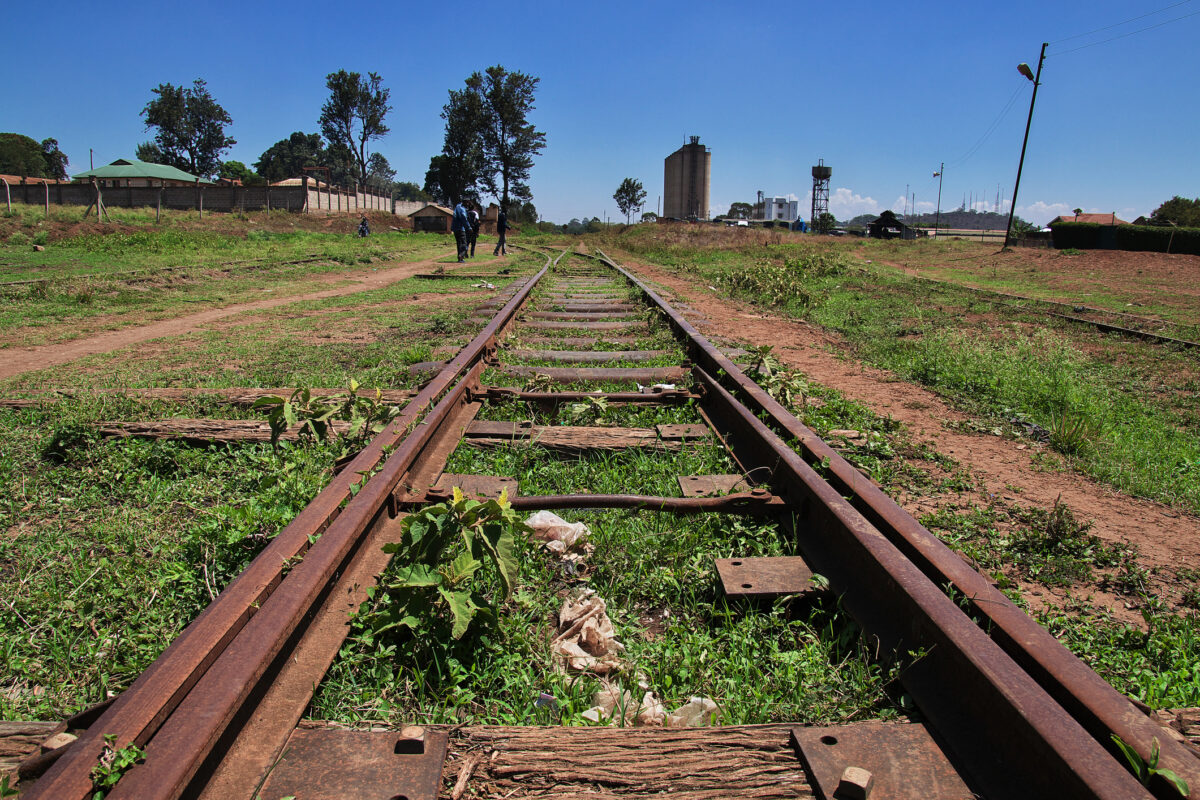
Phase I of the TIRP (2014–2022) aimed to deliver reliable open-access infrastructure along the Dar es Salaam–Isaka corridor but did not integrate climate risk considerations. As a result, the railway remains vulnerable to hazards such as flooding, landslides, erosion, and sand deposition. Recent flooding has disrupted services for up to 120 days annually, with projections exceeding 200 days under future climate conditions. These disruptions result in estimated annual losses of USD 170,000 in socio-economic impacts and USD 49,000 in revenue for the Tanzania Railway Corporation. A 1-in-50-year flood event between Kilosa and Igandu could cause up to USD 78.6 million in direct damage. TIRP2 offers a key opportunity to build resilience into the rail system.
GCA’s Added Value
GCA is providing targeted technical assistance, including climate risk and vulnerability assessments, identification of green and grey adaptation options, and financing strategies. A central component is a hydraulic model of the Kinyasungwe River assessing how climate change and dam rehabilitation affect flood risks along the 120 km Kilosa–Gulwe segment. GCA also supports capacity building through stakeholder engagement and training via the AAAP Masterclass on Climate Resilient Infrastructure.


Project goals
Mainstreaming Adaptation and Resilience
GCA’s technical support has been instrumental in identifying and prioritizing resilience-building measures within the TIRP2 project. A key contribution has been the use of detailed hydraulic modelling and climate risk assessments to inform the reinforcement of railway sections most exposed to flooding, landslides, and extreme heat. Flood risk modelling revealed that rehabilitating six dams in the Kinyasungwe catchment could reduce flood-related service disruptions along the Kilosa–Gulwe–Igandu corridor by 55–68% by 2080. When combined with specific infrastructure upgrades—such as vertical track realignment and increased culvert capacity—this could lead to an 89% reduction in flood risk along this critical 120 km section.
Additionally, GCA evaluated nature-based solutions to enhance long-term resilience and economic sustainability. One such intervention, zero-tillage conservation farming across the 590 km² catchment, was shown to significantly reduce erosion and sedimentation. This not only lowers future dam maintenance costs but could also boost agricultural productivity and helps regulate runoff and peak flows. Together, these targeted measures are enabling a more climate-resilient rail corridor while generating tangible socio-economic and environmental co-benefits for the region.
The approach and key findings have been consolidated into guidelines to help TRC integrate resilience into future project development.
Expected Outcomes
- Safer, resilient central railway corridor.
- Greater sustainability of the railway network with upgraded maintenance program.
- Adaptation and resilience options to mitigate flooding on the highly flood-prone 120 km Kilosa – Gulwe – Igandu section, reinforcing the transport service continuity and assets ‘life duration, while
- providing co-benefits to local communities
Timeline
GCA Support Status
Technical Assistance Preparation
GCA Support Implementation
March, 2024
GCA Support Completion
Monitoring
Finance
Project Investment Value
Total Investment Value
IFI Investment Value
$200.00M
Other Investment Value
N/A
IFI partners
Contacts
General media inquiries
info@gca.orgRequest for information
infrastructure@gca.org