
Rural Farming for Adaptation and Resilience in West Africa
A
cross West Africa, rural farming communities are facing one of the hardest tests of our time. Climate change is no longer a distant threat or a scientific forecast. It is a daily experience that affects how farmers plant, harvest, store food and plan their futures. The land that once followed predictable rhythms now behaves differently. Rains come late. Farmers now face longer weeks with no rain. Pests spread into new areas. Heat stresses crops before they mature. For communities where agriculture is the backbone of livelihoods, every shift in weather carries real consequences.
Where Climate Change Hits Hardest
Rural areas feel climate impacts more intensely because they depend almost entirely on natural conditions. A delayed rainy season can erase months of preparation. A sudden flood can wipe out a full harvest. Limited access to irrigation, agricultural extension services, or storage facilities means farmers have fewer buffers when shocks occur.
In many West African villages, farmers continue to rely on traditional knowledge passed down over generations. But today, these patterns no longer match the climate they are facing. The land has changed and survival now depends on the ability to adapt.
The Rise of Community-led Adaptation
Across the region, a new wave of adaptation is emerging from within the communities themselves. Youth groups, cooperatives and local leaders are working directly with farmers to promote practical methods that help them cope with climate uncertainty. These include choosing more climate-resilient crops, improving soil health with simple techniques, adjusting planting dates based on changing rainfall patterns, and strengthening basic water management.
This kind of adaptation is not about large-scale technology. It is about solutions that fit the realities of rural life and can be used by farmers with limited resources.
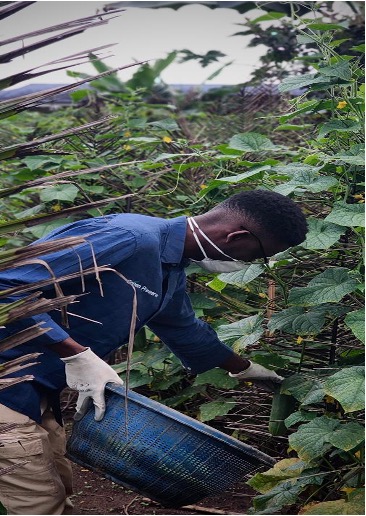
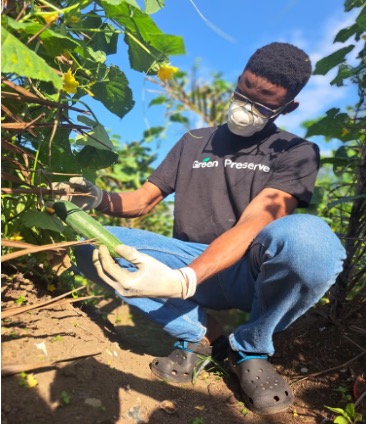
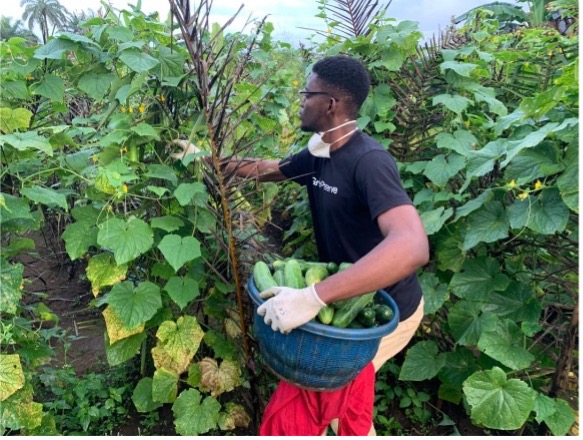
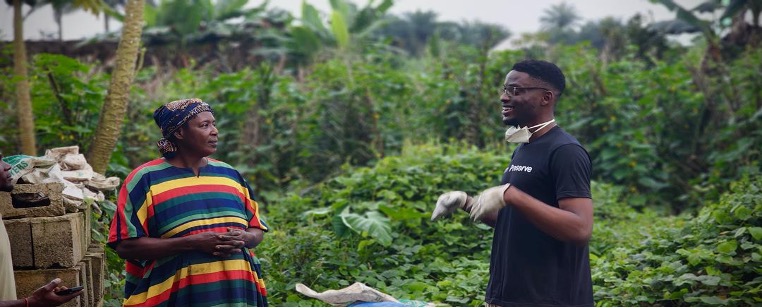
Among the many contributors to this effort are young leaders like Febechi Desmond, a member of the GCA CEO Youth Advisory Panel representing Nigeria and an Optimization Technician who works with rural farmers to introduce adaptive crop species and interpret shifting seasonal patterns. Through Green Preserve Africa— the youth-led agribusiness he founded to cultivate climate-resilient crops—he grows cucumber, watermelon, okra, pepper, cassava and other hardy varieties that can withstand irregular rainfall, rising temperatures and increasing pest pressure.
After relocating to the rural Akpabuyo community in Cross River State, Nigeria, he quickly saw that farming was the backbone of local livelihoods. By joining the farming system himself, he witnessed firsthand the challenges farmers face each season, from severe pest outbreaks to heat waves that weaken crops long before harvest. Through Green Preserve Africa, he now helps farmers understand why these climate-related disruptions are intensifying and introduces simple, resilient practices that strengthen their crops and improve their chances of success in a changing climate. This practical, field-based approach reflects how youth-driven initiatives are becoming a vital part of West Africa’s resilience story.

Why This Matters Beyond the Village
The resilience of rural communities affects everyone. Most of West Africa’s food is grown in these villages. When climate impacts disrupt food production, it affects nutrition, income stability and national food security. Strengthening rural resilience is therefore not only a local need. It is a regional priority. Communities that are better equipped to adapt today are more capable of sustaining themselves tomorrow.
Linking Rural Realities to the Outcomes of COP30
This urgency was echoed at COP30, where global discussions highlighted the need to scale adaptation finance, strengthen early warning systems and protect vulnerable communities. But the heart of those commitments lies in places like the rural farms of West Africa. The success of global climate goals depends on whether rural farmers can access the knowledge, support and tools needed to survive climate shocks.
The work already happening on the ground reflects the same message coming out of COP30: adaptation must be rooted in community realities. Farmers must be empowered, not overlooked. Youth must be supported as drivers of innovation. And global commitments must translate into improvements that are visible in the fields where food is grown.
A Call for Action
Climate change is hitting rural communities first and fastest. Yet these communities remain some of the least equipped to respond. West Africa’s path to resilience depends on urgent investment in rural adaptation, stronger local partnerships, and support for youth-led initiatives that bring practical solutions directly to farmers.
If adaptation is to succeed, it must begin where climate impacts are felt most deeply. And that means standing with rural farmers, listening to their realities, and ensuring they are not left behind as the world pushes for a climate-resilient future.

Febechi Desmond Uzomadike is a member of the GCA CEO’s Youth Advisory Panel 2025 from Nigeria. He works as an Optimization Technician with a multinational organization, where he supports both process and quality functions in the production of sustainable and eco friendly building materials. He is also a 200 level Mechanical Engineering undergraduate and the Founder of Green Preserve Africa, an initiative focused on cultivating adaptive species of food crop that strengthen food security in Nigeria.
The ideas presented in this article aim to inspire adaptation action – they are the views of the author and do not necessarily reflect those of the Global Center on Adaptation.
