
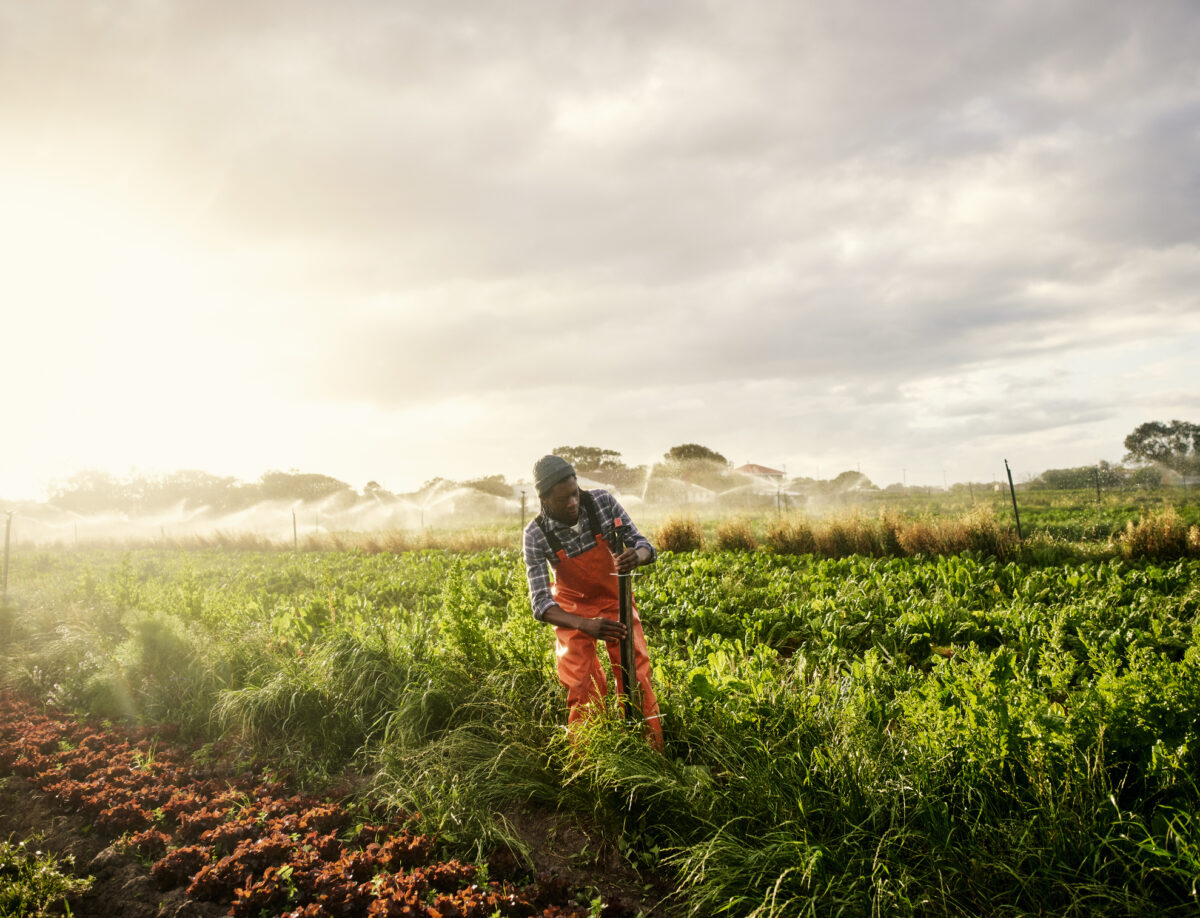
Burundi-Rwanda Integrated Development Program (BRIDEP)
Adaptation Need
The Ruzizi Plain is highly vulnerable to climate-induced hazards, such as floods, heatwaves, prolonged droughts, and landslides. During 2015-2016 El Niño-induced drought affected over 1.6 million people in Burundi and destroyed more than 25,000 hectares of crops. Severe land degradation, particularly in Muyinga, Bururi, Gitega, Kayanza, Karusi, and Rutana, all within or adjacent to the Ruzizi Plain—already reports annual loss of approximately 37.9 million tons of soil. This contributes to over $400 million in crop production losses each year. Without effective climate adaptation measures, these climate-related threats are expected to continue reducing yields of maize and rice, the two most important staple crops. Under the RCP8.5 high-emissions scenario, maize yields are projected to decline by 9.8 percent (compared to 2018 levels), and rice yields by 21.1 percent (compared to 2005 levels).
GCA’s Added Value
GCA is supporting the integration of targeted climate-smart measures within the BRIDEP program in the Ruzizi Plain. This includes scaling proven climate-smart technologies developed by CGIAR Centers through the development of adoption and investment guides. Additionally, GCA’s support is towards strengthening the climate resilience of communities and farming systems in the Ruzizi Plain by conducting capacity-building on the production and management of climate-resilient seeds, along with market analysis to identify bottlenecks and barriers to the adoption and scaled use of climate-resilient seed varieties—particularly for maize and rice—that are designed to withstand climate extremes and reduce yield declines caused by climate-related threats.

Project goals
Mainstreaming Adaptation and Resilience
GCA contributes to the building of resilience of communities and crop farming systems in Ruzizi plain by supporting the scaling of proven climate-smart technologies from CGIAR centers namely, The International Livestock Research Institute (ILRI), International Institute of Tropical Agriculture (IITA), and The International Water Management Institute (IWMI)—through the development of investment guides. Selected innovative and production technologies include dual-purpose poultry breeds such as Kuroiler and Sasso chickens, which enhance livestock productivity; drought-tolerant crops and forage varieties; and innovative digital tools— notably the Maize Seed Tracker from IITA, a digital decision-support tool for seed production and distribution. In addition, GCA is contributing to the strengthening of the seed value chain and facilitating capacity building and training for farmers and cooperatives to promote sustainable and climate-smart agricultural practices in the Ruzizi region.
Expected Project Outcomes
GCA’s technical assistance contributes to strengthening of the adaptation component of the BRIDEP project to ensure climate-risk responsive and sustainable outcomes, particularly:
- Increased climate-adaptive and resilient production systems and productivity of priority value chains (rice, maize, poultry and pig).
- Scaled use of sustainable agricultural practices, increased uptake of climate resilient seeds uptake and strengthened climate risk management capacities.
Timeline
GCA Support Status
Technical Assistance Preparation
GCA Support Implementation
October, 2024
GCA Support Completion
Monitoring
Finance
Project Investment Value
Total Investment Value
IFI Investment Value
$125.89M
Other Investment Value
$22.84M
IFI partners
Contacts
General media inquiries
info@gca.orgRequest for information
FoodsecurityTeam@gca.org