
PREDIRE
Adaptation Need
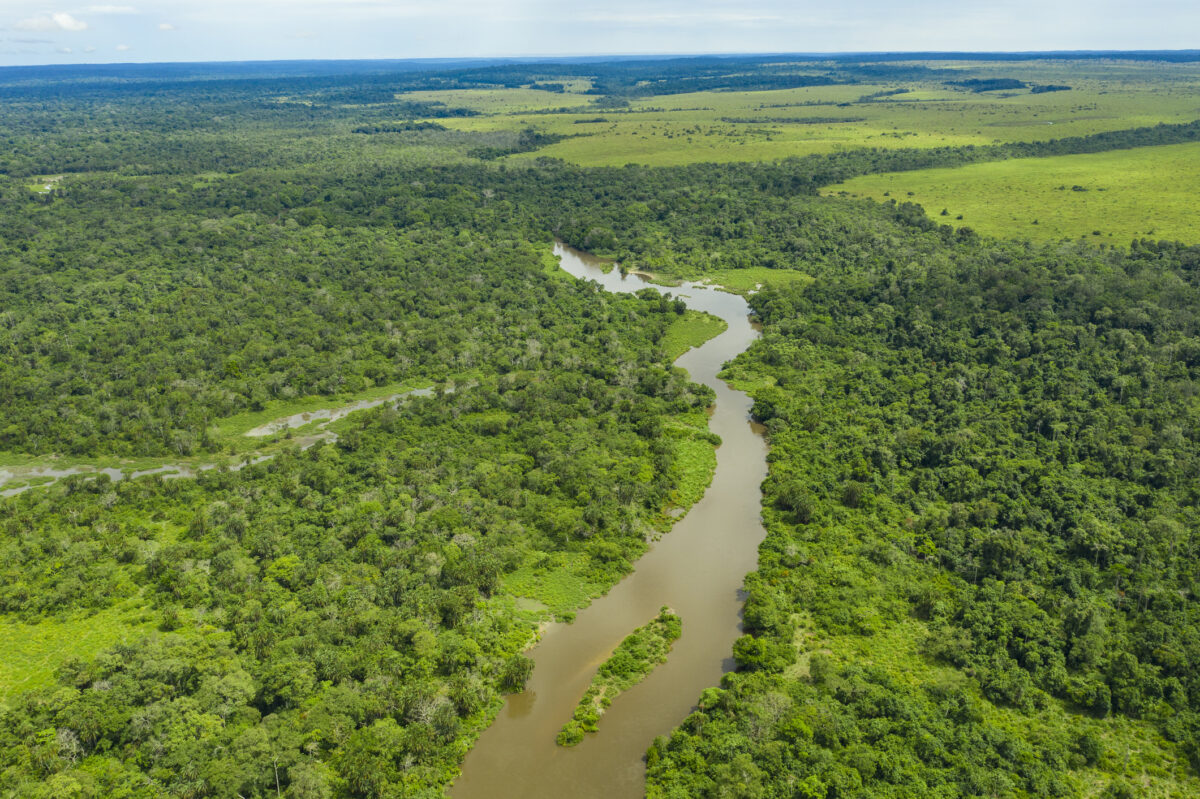
The DRC and CAR face severe climate adaptation challenges due to limited climate risk understanding, weak institutional capacity, gender disparities, insufficient adaptation financing, internal conflicts, and the burden of a substantial number of internally displaced persons. The ND-GAIN country index ranks these countries as the 5th and 2nd most vulnerable globally to climate change impacts. Both countries are already experiencing climate impacts including persistent heat waves, heavy rainfall, land degradation from erosion, extended dry seasons, and flooding. The countries’ NDCs highlight this vulnerability. Climate projections for the region predict a 3°C to 5°C temperature increase by 2100, with reduced but more variable rainfall patterns, and increasing rainfall intensity.
GCA’s Added Value
GCA supported the AfDB and the countries by designing and prioritizing inclusive adaptation measures while building local capacity to deliver climate-resilient water services. Through comprehensive climate risk and gender vulnerability assessments, GCA identified critical risk hotspots and gender gaps, then developed a targeted gender action plan to address these vulnerabilities. These assessments informed AfDB’s technical investment designs, ensuring gender-sensitive and climate-resilient solutions were integrated into water supply system planning and operations. GCA’s analysis guided the selection of appropriate investments and water infrastructure location modifications that respond to hazards such as flooding and address both climate risks and gender disparities in water access. To leverage additional resources, GCA developed a concept note for climate co-financing that will unlock climate financing for adaptation initiatives.



Project goals
Mainstreaming Adaptation and Resilience
GCA conducted CRVAs for the project areas in both countries. The main hazards (floods, and droughts and water shortages) identified were classified as likely to gradually affect the project area. Physical investments (such as boreholes and water intakes) were identified as were exposed to these climate risks. To address climate risks, GCA proposed a range of adaptation measures including water source protection and the siting of boreholes in less vulnerable locations. The measures were integrated in the project design.
Expected Outcomes
- Integration of adaptation solutions into the design and operation of water supply systems and at the catchment level for seven towns. GCA’s risk assessments and strategic recommendations will ensure that the design and operation of water supply systems effectively incorporate solutions to enhance resilience against climate risks.
- Improved prioritization and implementation of catchment management activities, stemming from improved knowledge of relevant climate risks and adaptation options by catchment committees.
- Mobilization of additional financing in the form of grants for adaptation implementation. GCA’s concept note to GEF will facilitate access to grant funding for climate adaptation.
- Enhanced gender inclusivity and equity in climate adaptation investments. The Gender Climate Vulnerability Assessment and the Gender-Sensitive Water Services Action Plan provide targeted measures that address the distinct vulnerabilities of women and marginalized groups, ensuring a more inclusive gender design and implementation of the project.
Timeline
GCA Support Status
Technical Assistance Preparation
GCA Support Implementation
September, 2024
GCA Support Completion
Monitoring
Finance
Total Investment Value
IFI Investment Value
$134.72M
Other Investment Value
$8.00M
IFI partners
Contacts
General media inquiries
info@gca.orgRequest for information
waterandurban@gca.org