
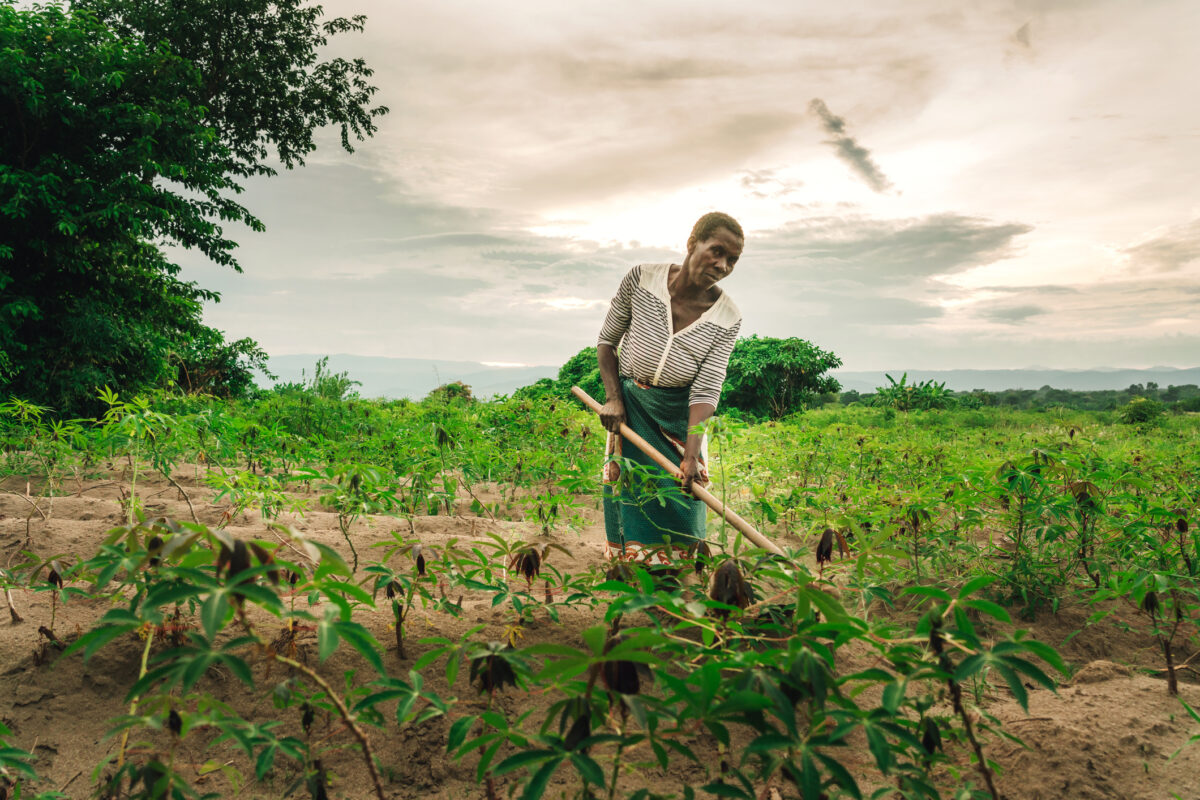
Sustainable Agricultural Production Program (SAPP-II) Project
Adaptation Need:
Malawi’s smallholders face climate-related pressures on multiple fronts. Rainy seasons now arrive late, then swing between searing droughts and cloud-burst floods, while average temperatures in the four SAPP-II districts are projected to rise another 2–2.5 °C by 2050. The growing unpredictability and severity of climate impacts are already shrinking and degrading crop and pastureland, rising crop and livestock losses, and the country’s familiar food insecurity trap. More than one in four Malawians—approximately 5.4 million people—require food relief assistance each year. Yet, most farmers still lack access to timely climate advisory and early warning information, an integrated early warning system, and proven climate-resilient management techniques, leaving their livelihoods and food security investments vulnerable to present and future extreme weather events.
GCA’s Added Value:
GCA supported SAPP-II with an end-to-end adaptation package: (i) a geo-referenced climate-risk and adaptation map for the four focus districts; (ii) a fully costed investment brief for Digital Climate Advisory Services (DCAS) scale-up roadmap; and (iii) an integrated multi-hazard Early Warning System (EWS) roadmap that operationalises DCAS outputs. To institutionalize the framework, GCA aligned DoDMA’s national EWS protocol with CAP standards, developed a four-module DCAS/EWS training manual, and trained 163 trainers who are now disseminating the knowledge and skills through District Agriculture Extension Coordination Committees.

Project goals
Mainstreaming Adaptation and Resilience:
GCA’s analytics and roadmaps are now integrated into SAPP-II workplans: the risk map guides district investment priorities, the DCAS-EWS roadmaps and revised national protocol underpin the development of real-time, climate advisory information, and a trained cadre trainers is cascading knowledge and skills through local extension networks—together positioning the program to deliver timely climate services to more than 800 000 rural Malawians and strengthen their resilience.
Expected Outcomes
GCA’s support has contributed to strengthening and advancing the achievement of these expected project outcomes:
- Improved access to climate services for 847,240 beneficiaries of the project.
- Enhanced production and adoption of climate-resilient technologies/practices—195,000 households
- Strengthened capacity – 160 master trainers and . 54,600 persons trained in production practices and/or technologies.
- Improved food security—cutting down moderate/chronic food insecurity from 33% to 25%.
Timeline
GCA Support Status
Technical Assistance Preparation
GCA Support Implementation
December, 2023
GCA Support Completion
May, 2025
Monitoring
Finance
Project Investment Value
Total Investment Value
IFI Investment Value
$18.08M
Other Investment Value
$35.25M

Contacts
General media inquiries
info@gca.orgRequest for information
FoodsecurityTeam@gca.org