
N’Djamena Urban Resilience Project
Adaptation Need
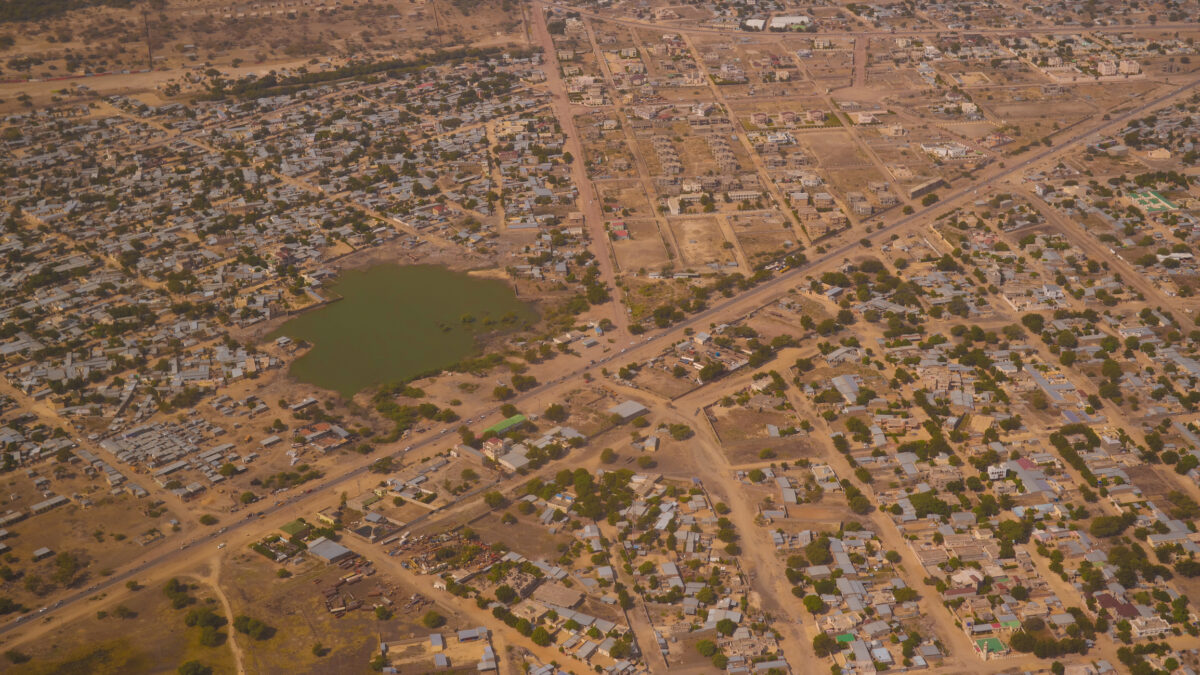
Chad has been classified by the World Bank as a fragile and conflict-affected situation, and ranks last out of 187 country in the Notre Dame Global Adaptation Initiative index due to high vulnerability level and low capacity to adapt to climate change. In 2024, major flooding throughout the country affected 1.94M people and damaged or destroyed key infrastructure. Climate change will increase rainfall variability as well as flood frequency and intensity in N’Djamena, resulting in severe rainfall and riverine flooding. High rates of poverty — in 2022, the poverty rate in Chad was 44.8% — and a lack of basic services, including deficient sanitation and solid waste management, contributes to the vulnerability of households. A rapidly growing urban population, combined with limited awareness and education around climate impacts, compound social insecurity and increase risk from flooding. Gender-based vulnerability is particularly acute: Chad ranks 150th out of 162 countries in UNDP’s Gender Inequality Index.
GCA’s Added Value
GCA carried out a gender vulnerability assessment that informed a project-adapted gender action plan. GCA also developed a Terms of Reference document to support the implementation of the community investment component of US$30 million. GCA is currently supporting the prioritization and pre-feasibility design of investments at the urban sub-catchment scale. These investments consider social vulnerability as a key element in the project design and seek to reduce the impact of service disruptions on vulnerable populations and key sectors in N’Djamena.

Project goals
Receiving our targets
Mainstreaming Adaptation and Resilience
GCA support has been instrumental for the project to obtain a gender tag. The World Bank Project Appraisal Document (PAD) identifies gender gaps, describes concrete actions to narrow them, and lays out indicators to measure progress. The World Bank investment will promote and monitor women in leadership positions in the community disaster preparedness and response committees supported by the project (with minimum targets) and design gender-sensitive disaster awareness campaigns targeting women. Specifically, a US$30m community investment component was developed with small investments for community co-benefits based on GCA inputs, ensuring inclusivity and equity in distribution of resilience benefits. The prioritisation of climate resilient and gender-sensitive investments will guide an urban masterplan and will inform the choice of medium to long-term investments for the Government, World Bank and other financiers.
Expected Outcomes
- The Project Appraisal Document (PAD) contains gender gaps, concrete actions to narrow them, and indicators to measure progress. This is a direct input by GCA into the design of the project. These actions include promoting and monitoring women in leadership positions in the community disaster preparedness and response committees supported by the project (with some minimum targets) and designing gender-sensitive disaster awareness campaigns targeting women.
- A US$30m community investment component was developed with small investments for community co-benefits based on GCA inputs, ensuring inclusivity and equity in the distribution of resilience benefits.
- The ongoing investment prioritization and design will inform the choice of medium to long-term investments (including those that are nature positive) and an urban master plan for the Government.
Timeline
GCA Support Status
Technical Assistance Preparation
GCA Support Implementation
March, 2023
GCA Support Completion
Monitoring
Finance
Total Investment Value
IFI Investment Value
$200.00M
Other Investment Value
N/A
IFI partners
Contacts
General media inquiries
info@gca.orgRequest for information
waterandurban@gca.org