
Senegal River Valley Development and Resilience Project
Adaptation Need
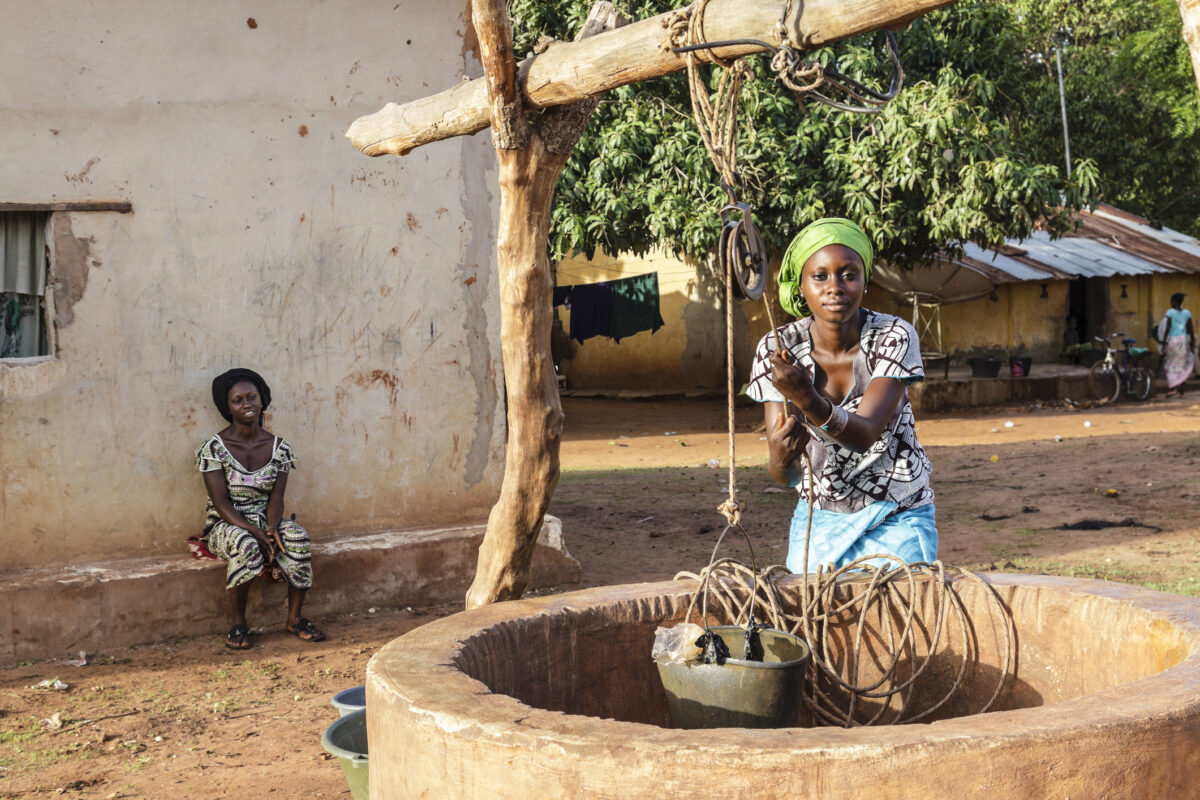
Senegal and Mauritania are two of the poorest countries in the world, with 38% and 28% of the population respectively living in severe multidimensional poverty. They share the SRV – a region exhibiting some of the most extreme climate variability globally, with rising temperature, increasingly erratic rainfall, droughts, floods, sea level rise, salinization of soils and waters, encroaching desertification, and degradation of arable land. These changes in an economy centered on traditional agriculture and livestock production are driving migration to urban areas. Malnutrition, epidemics, environmental shocks, and forced displacement are on the rise. Cities in the Valley are particularly vulnerable to flash floods, caused by heavy rain or fluvial inundation, lack of efficient drainage systems, uncontrolled urban sprawl, and the occupation of depressions and wetlands.
GCA’s Added Value
GCA is supporting the integration of Locally Led Adaptation (LLA) principles into the Project Operational Manual, alongside the development of a Community Sub-Project Manual. These efforts aim to facilitate meaningful engagement between vulnerable communities and local leadership in mapping climate risks, unpacking drivers of natural resource conflicts, and co-identifying and prioritizing adaptation solutions. In parallel, GCA is conducting political and institutional analyses to uncover barriers and entry points for reform. It is also supporting the design and rollout of community-led Monitoring, Evaluation, and Learning (MEL) methodologies and frameworks to track progress in building climate resilience and to reinforce planning processes at both local government and regional levels.
Project goals
Mainstreaming Adaptation and Resilience
Limited inclusivity in local development planning and decision-making processes continues to constrain opportunities for consensus-building and peaceful resolution of tensions within communities across the region. Strengthening local leadership and fostering social cohesion are therefore critical pillars for advancing climate resilience. Locally led approaches offer a pathway to unite communities around shared priorities—enabling them to map available resources, negotiate equitable access, and enhance citizen–state relations. Building on lessons learned, the project seeks to promote a resilient and inclusive future for vulnerable populations in the SRV by actively engaging communities in climate risk mapping, and in the identification and prioritization of adaptation actions.
Expected Project Outcomes
- Implementation of locally led planning approaches to prioritize the needs of the most climate vulnerable, in one of the most vulnerable regions in the world.
- Integration of adaptation into development efforts in the SRV.
- Decentralized decision-making on adaptation funding.
- Community-based monitoring of resilience-building efforts.
Timeline
GCA Support Status
Technical Assistance Preparation
May, 2023
GCA Support Implementation
February, 2024
GCA Support Completion
Monitoring
Finance
Project Investment Value
Total Investment Value
IFI Investment Value
$195.00M
Other Investment Value
N/A
IFI partners

Contacts
General media inquiries
info@gca.orgRequest for information
lla@gca.org