
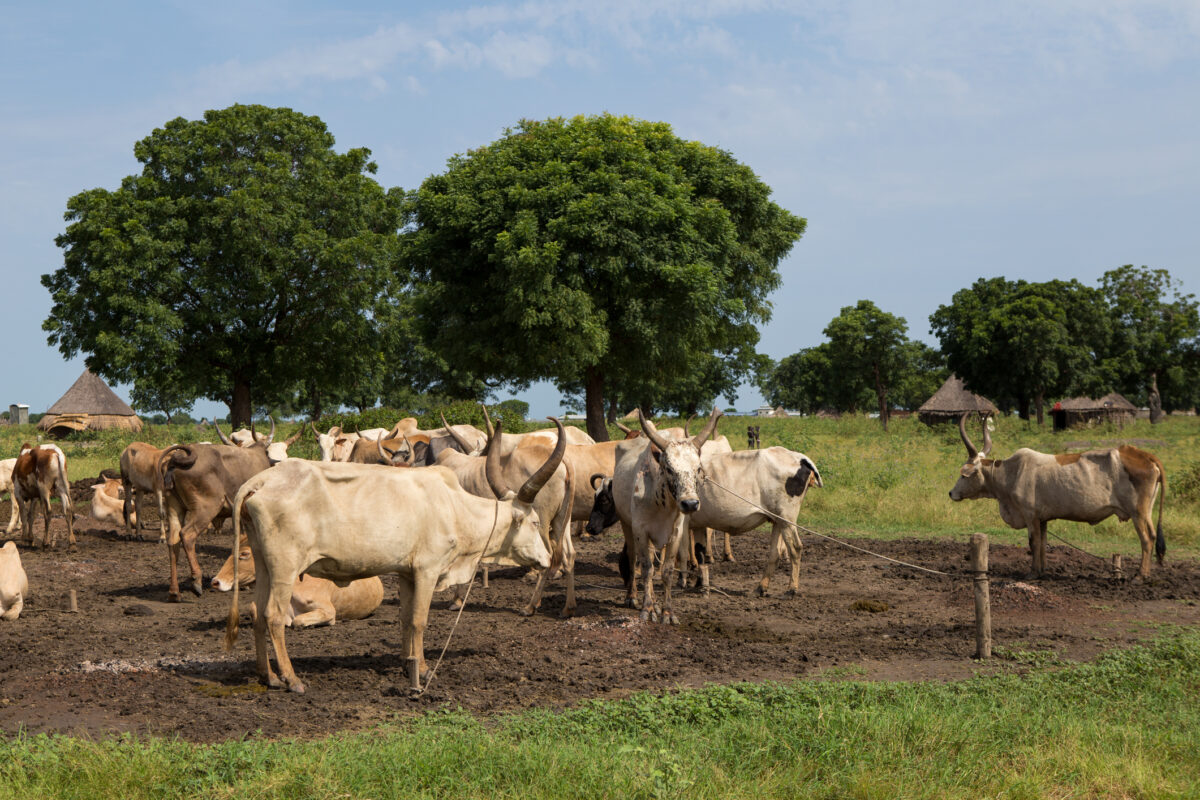
South Sudan Resilient Livestock Sector Project
Adaptation Need
Climate change, exemplified by erratic rainfall, floods and prolonged drought spells, combined with a lack of proper natural resource management, exerts significant adverse effects on the livestock sector. This is illustrated by the floods of 2022, which are said to be the worst in over 50 years, that resulted in the degradation of ecosystems, death and displacement of people and livestock and decreased agricultural productivity, thus destroying livelihoods in the process. Consequently, the country faces acute food insecurity. According to an analysis by the Integrated Food Security Phase Classification (IPC), 7.1 million people (56% of the population) are expected to face worsening food insecurity (IPC Phase 3 and above) between April and July 2024 with approximately 79,000 people likely to be placed in the “catastrophic” food insecurity level (IPC Phase 5).
GCA’s Added Value
GCA’s support is through climate risk assessment and generation of evidence to support the development of management plans for natural resources in livestock systems, with an emphasis on rangeland and water management. Additional support is through digital profiling, where GCA will establish an inventory of potential digital climate adaptation solutions and assess their feasibility and cost structures to facilitate adoption. Finally, through technical training sessions, policy dialogues, and knowledge exchange, GCAs interventions will equip stakeholders with the necessary skills and knowledge to implement climate-smart livestock management practices.


Project goals
Mainstreaming Adaptation and Resilience
The activities outlined in this project will significantly enhance climate resilience in South Sudan’s livestock sector by addressing critical vulnerabilities and strengthening adaptive capacity. Firstly, GCA will provide a comprehensive analysis of climate risks and create geo-referenced maps of key natural resources, such as water and forage, which are essential for livestock systems. This data will guide targeted interventions to improve resource management and protect these systems from climate change impacts. Secondly, GCA will explore digital climate adaptation solutions, mapping existing infrastructure and identifying gaps in digital climate services. By leveraging technologies like real-time weather data and disease mapping, the activity will optimize livestock health management and boost resilience to climate-induced shocks. Thirdly, GCA will focus on capacity building and stakeholder engagement, equipping key institutions with the tools and knowledge necessary to integrate climate-smart practices and e-extension services into livestock management. Together, these activities will lay the foundation for a more climate-resilient livestock sector, ensuring sustainable livelihoods and better resource management in the face of growing climate risks.
Expected Project Outcomes
- Reduction (by at least 15%) in prevalence and incidence of animal diseases in project areas.
- Herders adopting climate-smart livestock practices in the project area.
- Land area (…Ha) restored with vegetation through climate-smart livestock in project area
Timeline
GCA Support Status
Technical Assistance Preparation
GCA Support Implementation
April, 2025
GCA Support Completion
Monitoring
Finance
Project Investment Value
Total Investment Value
IFI Investment Value
$40.00M
Other Investment Value
N/A
IFI partners

Contacts
General media inquiries
info@gca.orgRequest for information
FoodsecurityTeam@gca.org