
Malawi Resilient and Strategic Transport Operational Enhancement (RESTORE) Project
Adaptation Need
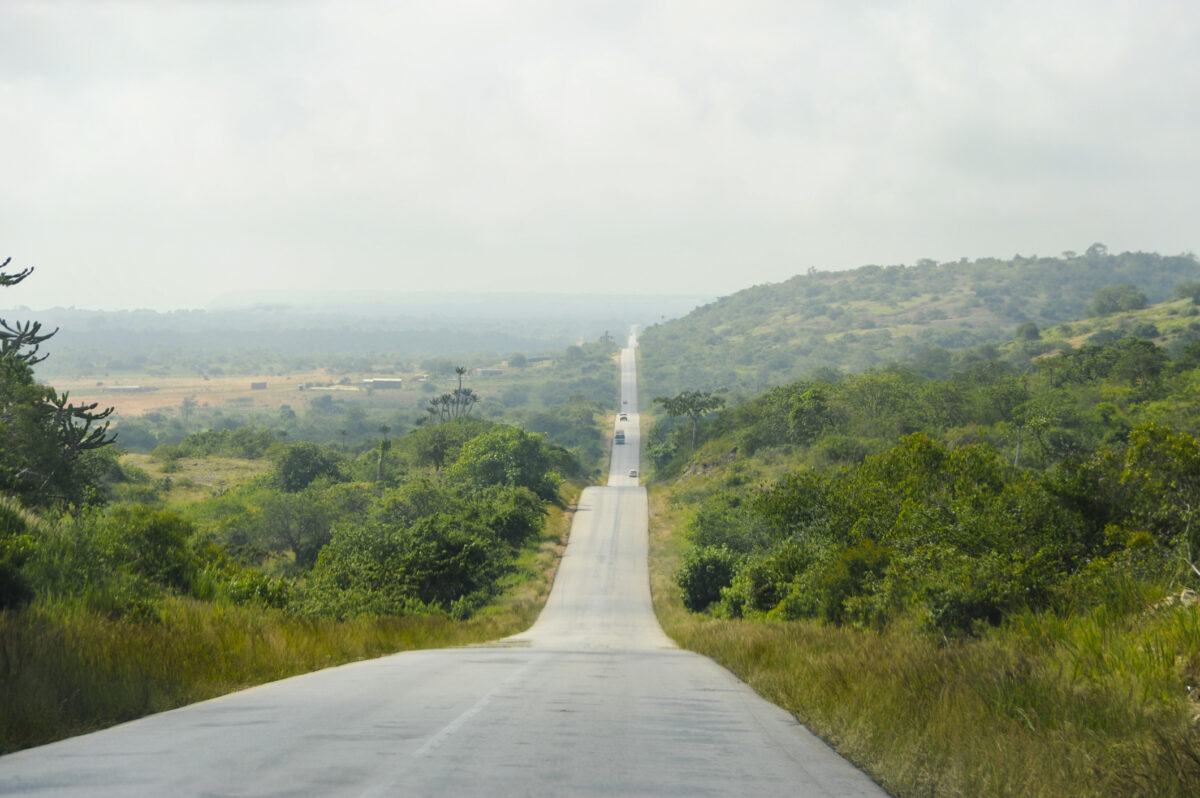
Approximately 23% of Malawi’s national road network is at risk due to climate hazards, including floods, landslides, and increasingly frequent and intense drought and heat events. GCA’s national-level assessment projects that, without adaptation, direct cumulative damage costs could exceed USD 400 million by 2050—equivalent to physical losses of roughly 18% of the current network. Direct damage costs due to fluvial flooding alone, may potentially rise by up to 86% by mid-century. In parallel, institutional assessments point to systemic challenges in ensuring sustained climate resilience of the road network: long-term planning rarely accounts for climate risks, and climate resilience is not yet systematically embedded in Malawi’s transport management. The Shire River Basin is a critical hotspot due to its combination of high hazard exposure, socio-economic vulnerability, and limited infrastructure resilience.
GCA Added Value
GCA technical assistance is quantifying climate risks under different climate scenarios, and assessing indirect impacts of the road infrastructure resilience, to prioritize adaptation options based on costs and potential benefits. A key focus is to support the integration of relevant options to increase overall network resilience within the road asset management system at the national level, and to mainstream resilience in the transport asset lifecycle. This includes through detailed recommendations and procurement support for a climate-informed asset management system, updates to design standards, and capacity-building activities to be implemented under the RESTORE project.

Project goals
Mainstreaming Adaptation and Resilience
GCA is applying a multi-level approach to strengthen the long-term climate resilience and operational sustainability of Malawi’s road network. At the national level, GCA is providing technical recommendations and supporting procurement and integration of scalable climate adaptation and resilience measures within the holistic road asset management system, including for updated design standards tailored to Malawi’s hazard profile. At the regional level, GCA is identifying risk hotspots to propose catchment-level solutions with a focus on nature-based solutions (NbS) and community co-benefits. At the asset level, GCA will carry out detailed identification and appraisal of scalable adaptation solutions, such as enhanced drainage and surfacing for higher return-period events, to inform RESTORE feasibility studies and future infrastructure upgrades. These interventions aim to institutionalize resilience throughout the transport asset lifecycle, ensuring that adaptation is embedded, scalable and systemically sustained.
Expected Outcomes
GCA’s support for WB’s project will reinforce these project outcomes:
- Climate resilience improvement of 195 kilometers of roads.
- Enhanced climate resilience of transport asset management and road safety
- Reduction of transport costs and better access of local communities to markets and services in the Lower Shire Valley.
- Mainstreaming climate resilience in the life cycle of transport asset management
Timeline
Project status
Technical Assistance Preparation
GCA Support Implementation
September, 2025
GCA Support Completion
Monitoring
Finance
Project Investment Value
Total Investment Value
IFI Investment Value
$65.00M
Other Investment Value
N/A
IFI Partners

Contacts
General media inquiries
info@gca.orgRequest for information
infrastructure@gca.org