
Urban Climate Resilience Masterclass
Turning climate risk into resilient investment opportunities Climate change is reshaping the risk-and-opportunity landscape for financial institutions (FIs). Rising climate-related losses, evolving disclosure requirements, and shifting market expectations are creating material challenges for financial stability but also new domains for investment and innovation.
Beyond risk management, climate adaptation finance is an investment opportunity with measurable financial benefits, including strengthened asset quality, improved counterparty resilience, stabilised cash flows, and enhanced portfolio performance.
The Urban Climate Resilience Masterclass (UCRMC) is a practical training program designed to strengthen the capacity of city officials and urban practitioners to understand climate risks and integrate resilience into urban planning, infrastructure and service delivery.
The Masterclass combines foundational concepts with practical tools and approaches for assessing urban climate risks, working with communities, planning and delivering climate-resilient infrastructure, and financing urban resilience. The core curriculum covers six areas: introduction to climate change and urban resilience; understanding climate risks in cities; locally led adaptation; climate-resilient urban infrastructure; step-by-step approaches to infrastructure delivery; and financing climate-resilient urban infrastructure.
The materials presented here have been developed and adapted through delivery in different country contexts, including Bangladesh, Kenya and Somalia. In Kenya, the Masterclass was developed with the Kenya School of Government and subsequently adopted for institutional delivery and national roll-out. The materials are intended to provide trainers, municipalities and urban practitioners with practical examples that can be adapted to local climate risks, institutional arrangements and urban development priorities.
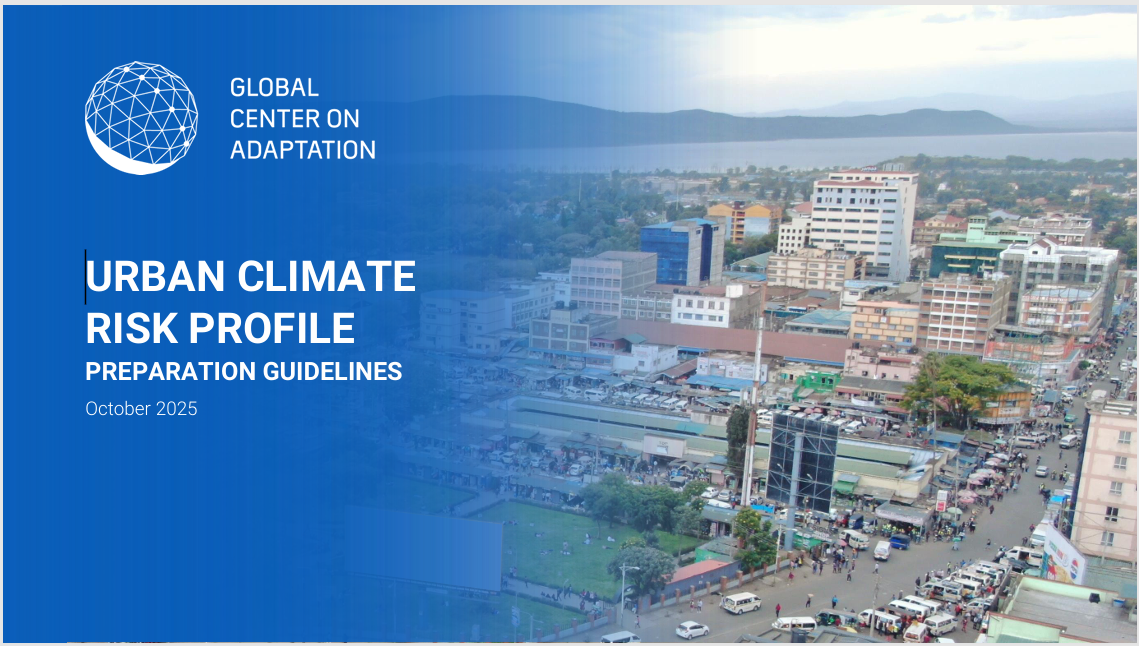
As a practical companion to the Masterclass,, the Urban Climate Risk Profile Preparation Guidelines provide municipalities and urban practitioners with a practical, step-by-step method for developing a rapid climate risk assessment using data and resources that are readily available. Rather than requiring a complex or highly technical study, the approach enables municipal planning and urban service delivery teams to build a clear picture of the climate hazards affecting their city, identify which people, places, infrastructure and services are most exposed and vulnerable, and determine where the most significant risks are concentrated.
The accompanying template guides users through the assessment and helps them turn the results into a concise Urban Climate Risk Profile. The process moves from establishing the urban context, through hazard, exposure and vulnerability assessment, to identifying priority risks and preliminary resilience solutions.
Importantly, the profile is designed as a decision-making tool rather than an end in itself. It translates climate information into actionable inputs for urban planning, infrastructure investment and service delivery — including integrated development plans, spatial and land-use plans, capital investment decisions, building standards and disaster risk reduction planning.
The final step helps municipal teams move directly from risk identification toward action by developing preliminary structural, non-structural and nature-based resilience measures, identifying responsible actors and considering immediate, medium- and longer-term responses.
Contact Info
For more information on this program, or to get involved, please contact:

Joep Verhagen
Programs Lead
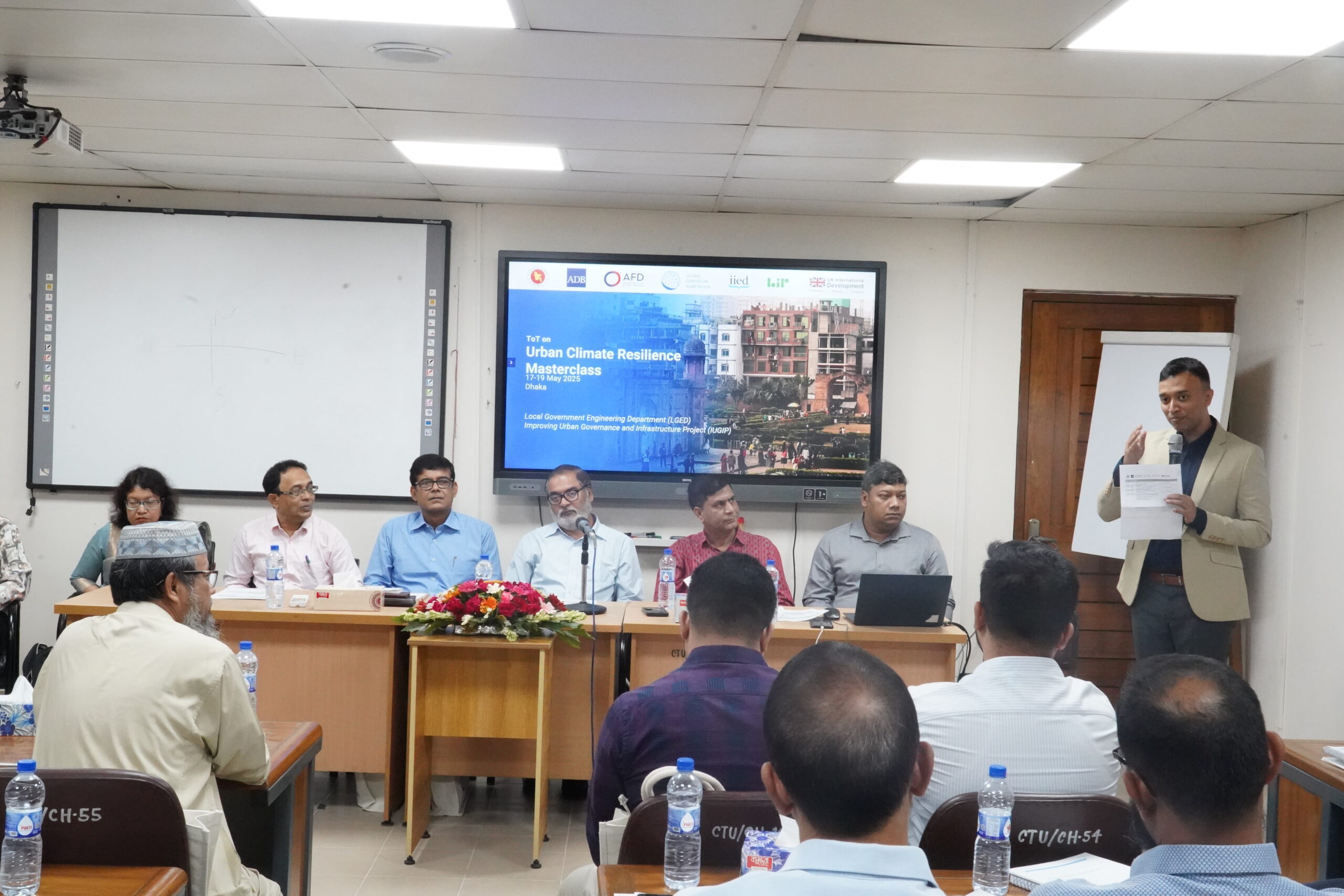
for Bangladesh
Additional Resources
Urban Climate Risk Profile Preparation Guidelines
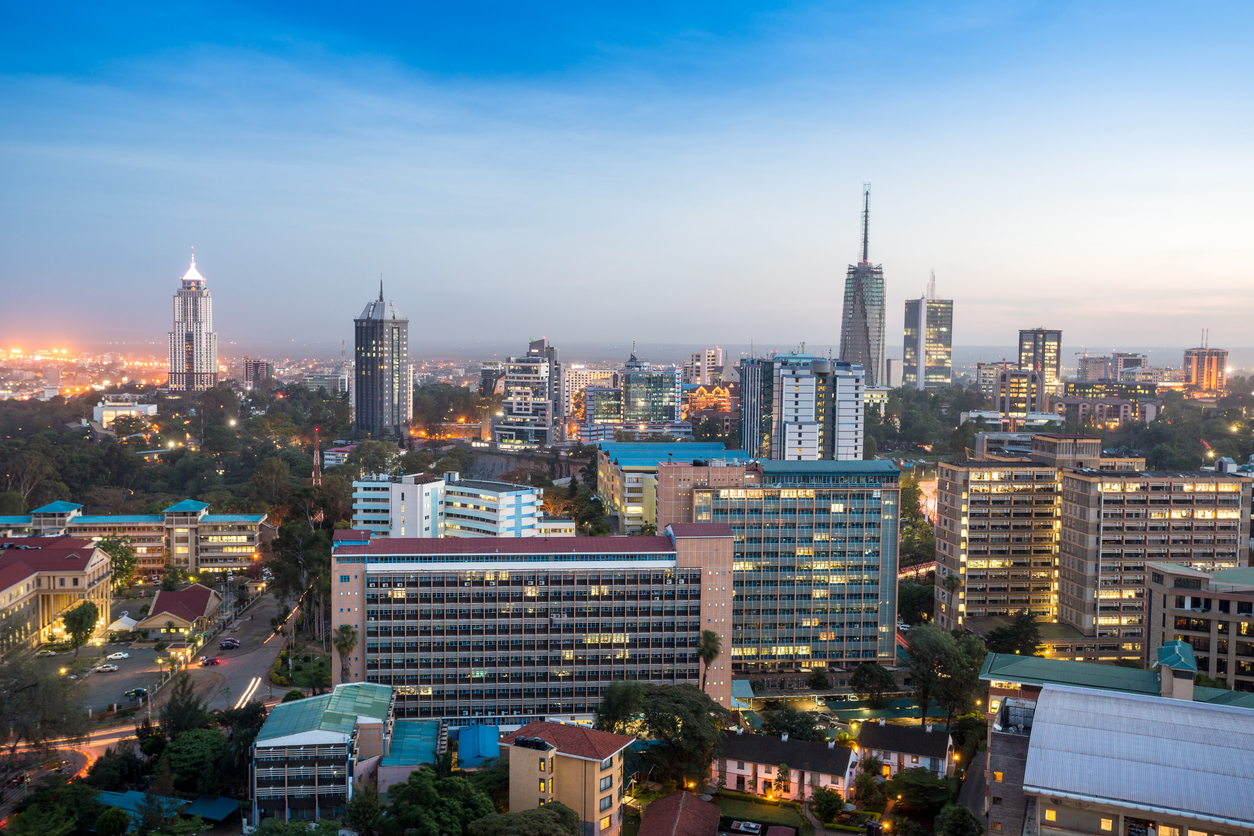
for Kenya
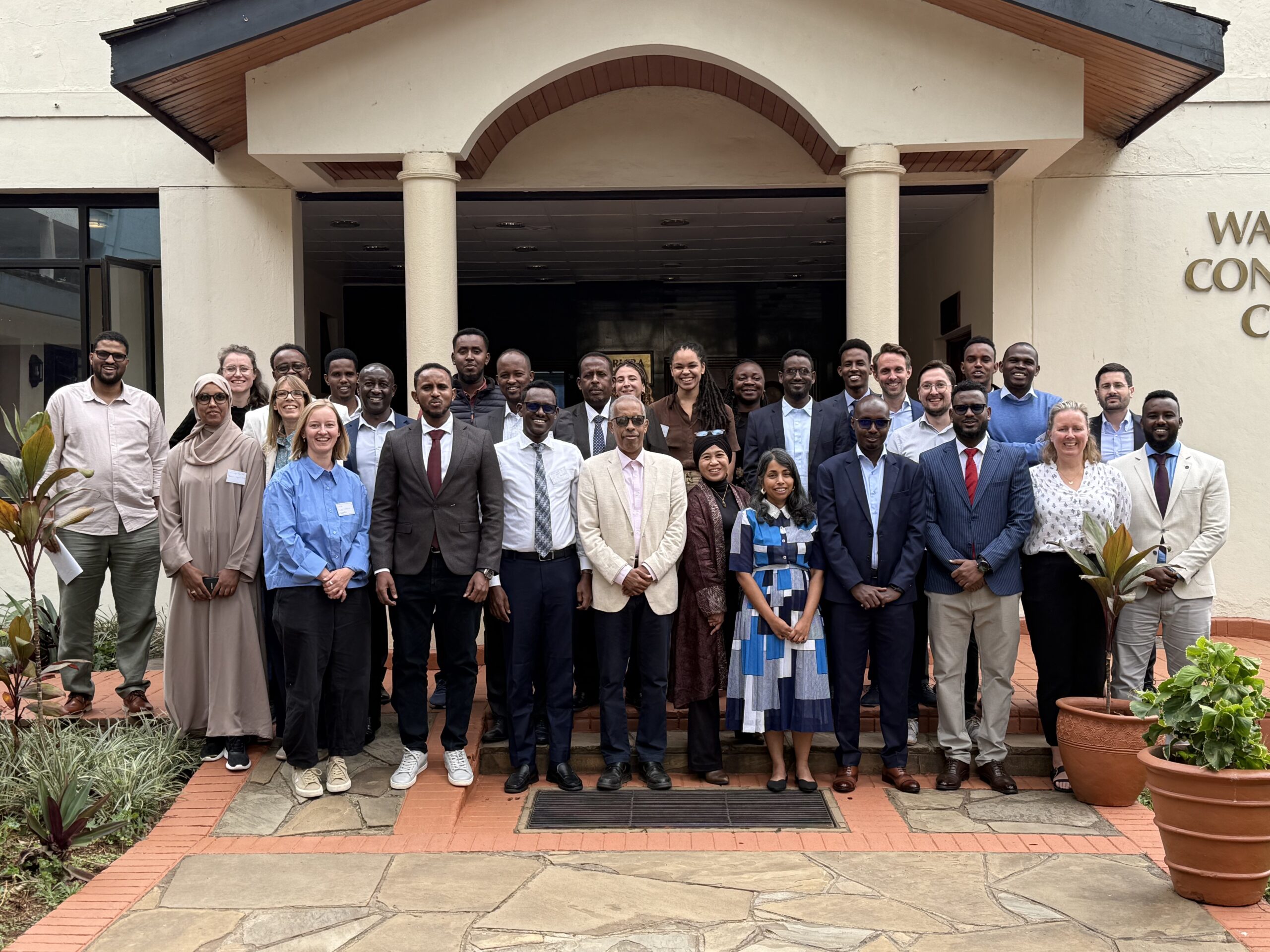
For Somalia