
Water and Urban
Water is vital for maintaining health, growing food, generating energy, managing the environment, and creating jobs. Yet a lack of clean water threatens to limit economic growth in many developing countries. By 2050, demand for water will increase by 55 percent and the number of people living with water scarcity will grow to 3.1 billion. By 2050, water in streams and channels critical for sustaining the environment and freshwater ecosystems is projected to be affected in 42 percent to 79 percent of the world’s watersheds. As climate change intensifies the hydrological cycle, there is a potential doubling of flood risk and a 1.2- to 1.8-fold increase in GDP loss due to flooding. This mostly affects disadvantaged communities and in particular, women and adolescent girls, urban residents of informal settlements, and the poor in countries characterized by fragility, conflict, and violence
The impacts of climate change are most acutely expressed through water, which has historically defined and enabled human development. This puts adaptation in water at the heart of a robust global response to climate change. The Water and Urban program is responding to this adaptation opportunity through the:
Contact Information
For more information on this program, or to get involved, please contact:

Joep Verhagen
Global Lead, Water and Urban
joep.verhagen@gca.org
Goal for 2025
The Water and Urban program aims to support national governments to rapidly accelerate and scale urban climate adaptation and provide climate resilient water services for people, food, nature, and the economy.
More than 80% of the global GDP is generated in cities – the engines of economic growth. However, an increasing number of cities are becoming climate vulnerability hotspots. Greater numbers of people, assets and economic activities are exposed to climate events as urban areas in the developing world continue to grow rapidly. Increasingly, sea-level rise, erosion, cyclones and flooding will affect low-lying and coastal cities, while water stress, heat stress, fires and droughts will impact urban environments in drylands. According to the Climate Change Vulnerability Index, 79 African cities rank among the 100 fastest growing cities in the world, but also fall within the “extreme risk” category.
The Accelerator leverages partners to provide support to African cities through a comprehensive city diagnostic exercise. The exercise identifies priority investments in both municipal management and resilient infrastructure such as in water, sanitation and solid waste, mobility and housing, and green and grey infrastructure to mitigate droughts and urban floods. Based on the assessments, including those that identify scalable locally led action, specific investments and actions for financing are identified. Investments and other supporting actions will be designed in a way that maximizes jobs and creates small and medium-sized enterprises for adaptation services.
In N’Djamena the capital of Chad, for example, working with the World Bank, GCA is providing technical assistance to a US$100 million investment Gender Vulnerability Assessment and Investment Prioritization Analysis to improve the design and prioritization of infrastructure to mitigate flood risks. The Water and Urban team is also supporting projects in Senegal, Liberia, Sierra Leone.
Rapid Climate Risk Assessments
Conducting a Rapid Climate Risk Assessment (RCRA) to understand a city’s present and future climate risks is crucial for identifying, prioritizing, and implementing urban planning strategies that avoid repeating mistakes made by other cities globally. An RCRA can be the critical first step in a city’s long-term climate adaptation journey.
Supporting China’s Pilot on Resilient Cities
With funding support from the Ministry of Infrastructure and Water Management of the Netherlands, the International Panel on Deltas and Coastal Areas (IPDC), and the Ministry of the Ecology and Environment of China (MEE), GCA collaborated with the MEE and the Weihai Municipal People’s Government on a project supporting Weihai City in building a climate adaptive pilot city. The initiative aims to provide technical support to Weihai City, enhance the city’s resilience to climate change, and promote the development of climate-resilient policies and projects in urban planning, design, and implementation.
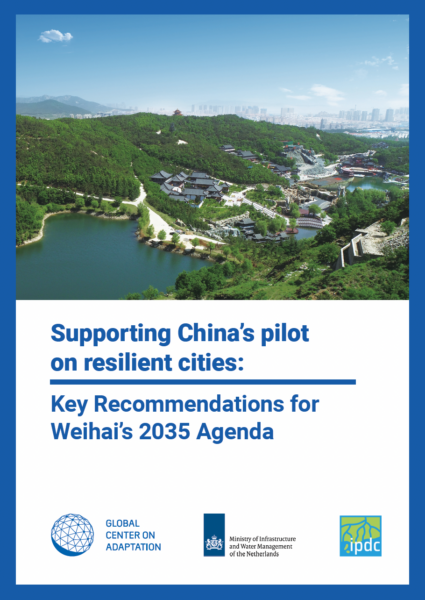
Supporting China’s Pilot on Resilient Cities: Key Recommendations for Weihai’s 2035 Agenda
This report offers strategic guidance for urban climate resilience planning in Weihai for the period from 2025 to 2035. As a supplementary document to the Weihai Climate Adaptation Action Plan (2023), it aids in the effective implementation and support of climate adaptation efforts in Weihai.
Climate resilient catchments are key to resilient water services. GCA is carrying out diagnostics to better understand current and future climate pressures to catchments. Technical assistance is provided to design nature-based resilience-building solutions. An understanding of climate risks to both physical and natural assets, water services, and people optimizes the location, design, and investments for the provision and sustenance of water services.
For example, work in Uganda will use assessments of climate risks to water resource catchments and drinking water service delivery assets to design and seek finance for adaptation measures, including nature-based solutions. Other supporting measures, including a cross-sector policy dialogue to enable the implementation of adaptation, will be put in place.
Projects
No posts found
News
Blogs
Videos
Technical and Whitepapers
Namibia Water Sector Infrastructure Support Program Phase II
The Global Center on Adaptation (GCA) supported the African Development Bank’s preparation of the second phase of the Namibia Water Sector Infrastructure Support Program (NWSISPII). The program aims to strengthen water security in Namibia by upgrading, expanding, rehabilitating, and developing climate-resilient water supply infrastructure to improve access, quality, and sustainability of water and sanitation services, while supporting more effective management of water facilities.
26 March 2026
Kenya Water, Sanitation and Hygiene (K-WASH) Program
The Global Center on Adaptation (GCA) provided technical assistance to the World Bank Group which is supervising the Government of Kenya’s implementation of the Kenya Water, Sanitation, and Hygiene Program (K-WASH). The program aims to expand sustainable access to climate-resilient water and sanitation services, eliminate open defecation, and improve the financial performance of Water Service Providers across 19 counties, including refugee-hosting counties. GCA’s support focused on strengthening climate resilience in county water sector planning, investment prioritization, and capacity building.
26 March 2026
The Gambia: Water Resources Climate Risk Assessment
The Water Resources Climate Risk Assessment for The Gambia Technical Report analyses current and future pressures on freshwater availability and quality, identifying priority climate risks and adaptation options for the sector. The assessment shows that saltwater intrusion, groundwater depletion, and rising demand driven by population and industrial growth are key challenges, particularly in the Greater Banjul Area and along the Gambia River.
13 March 2026
Events
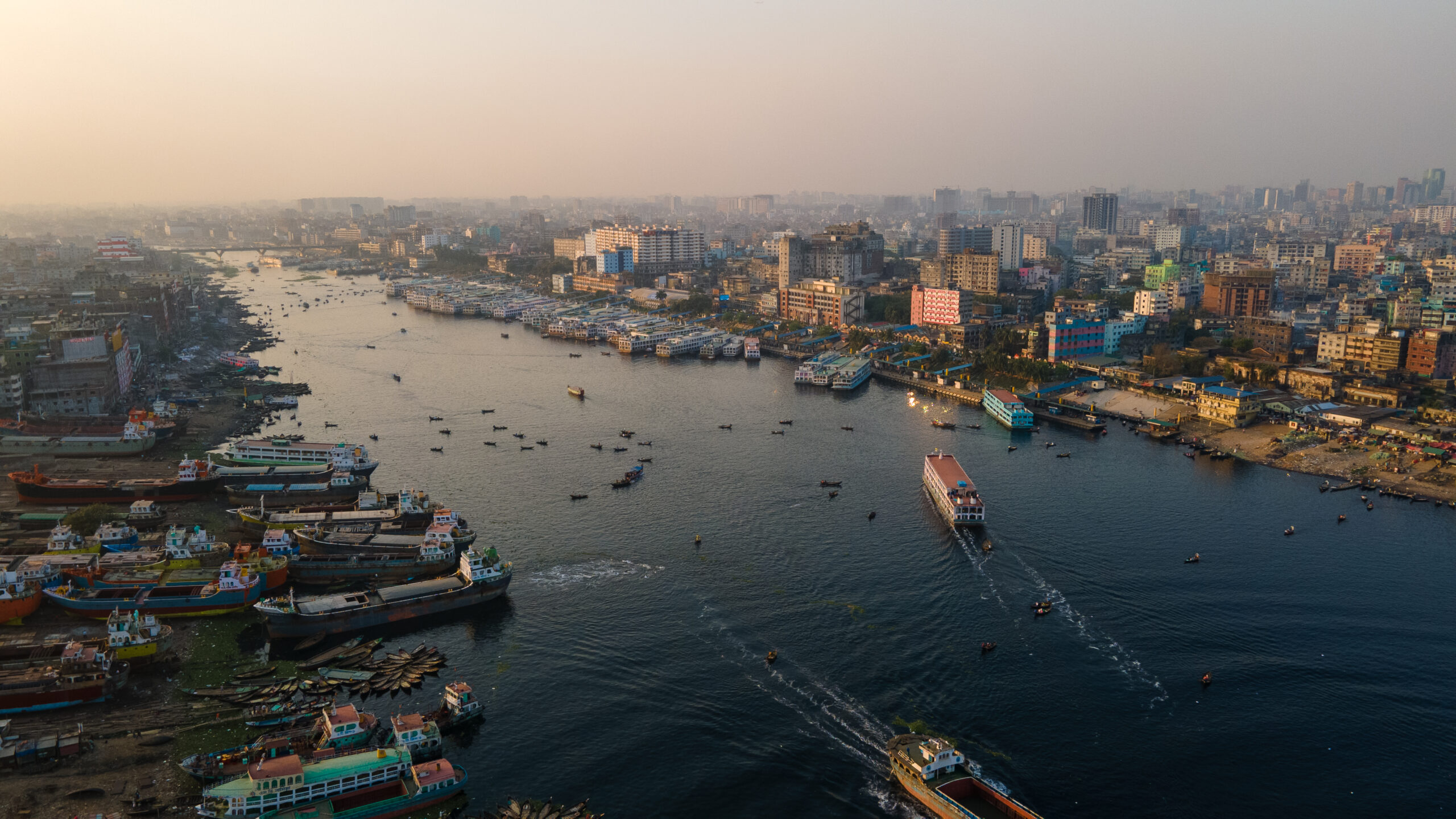
Urban Climate Resilience Masterclass (UCRMC) Training-of-Trainers (ToT)
17 May 2025
Dhaka, Bangladesh
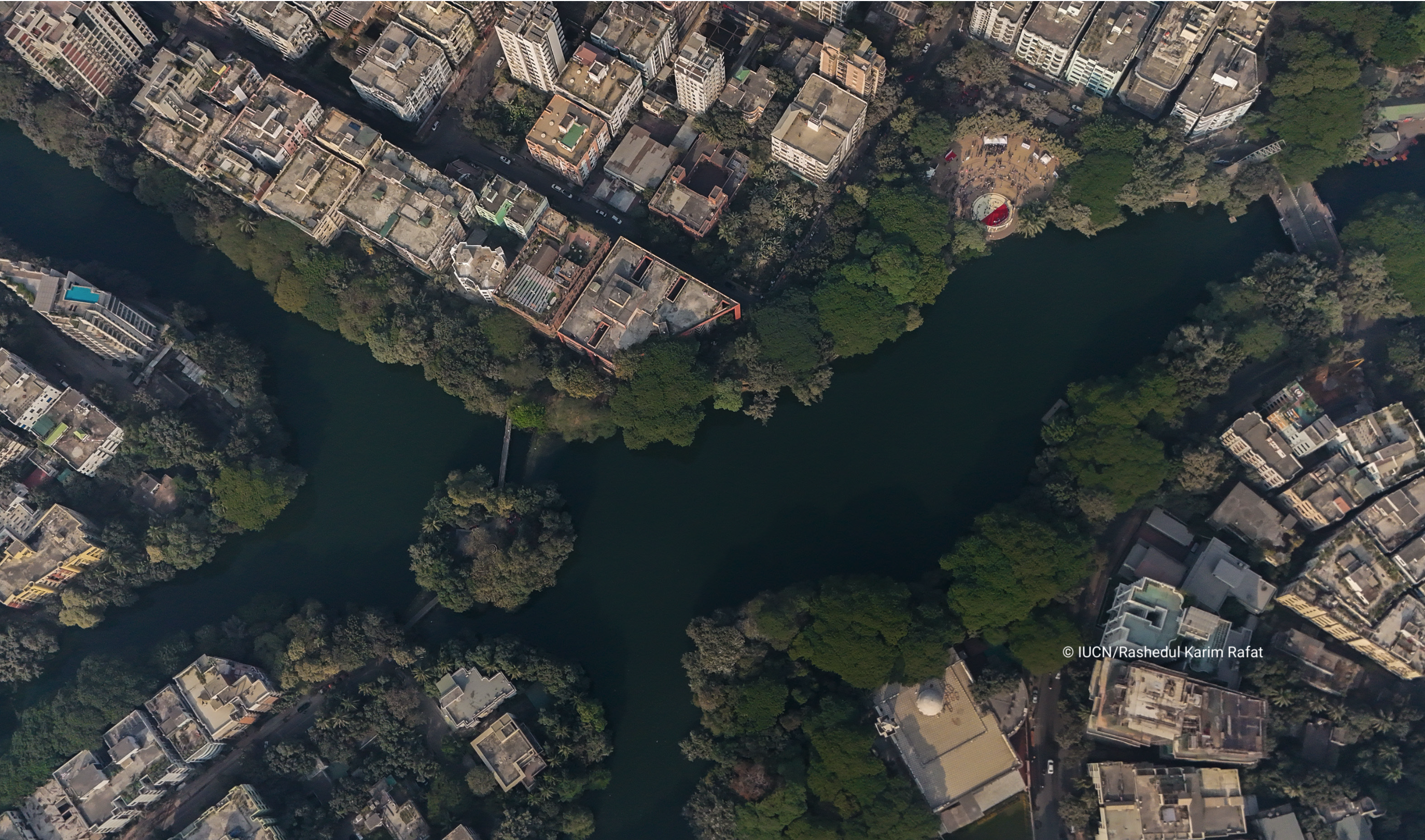
National Launch of the Nature-Based Solutions Compendium for Bangladesh
30 April 2025
Dhaka, Bangladesh
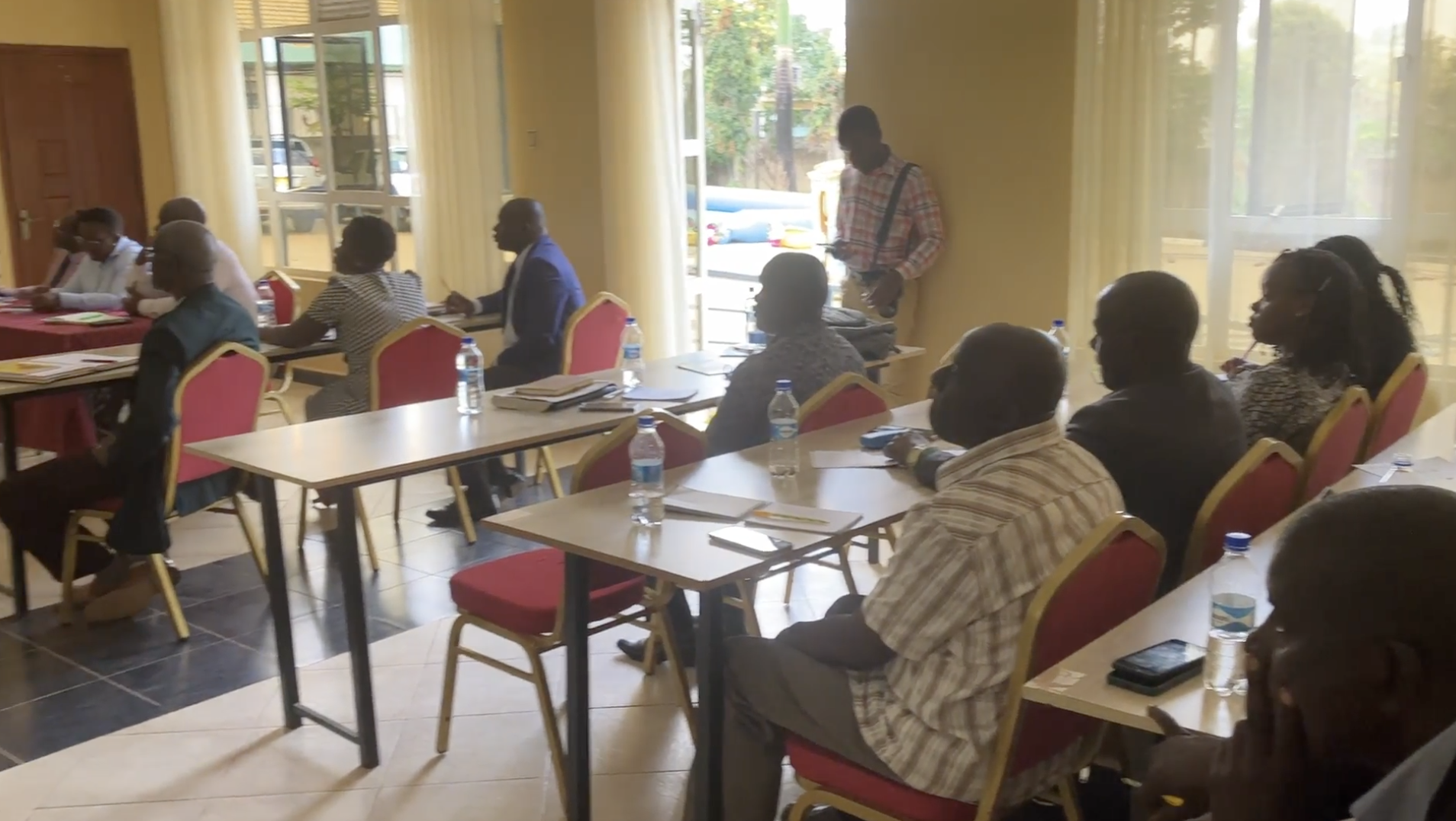
Training of Trainers (ToT) on Developing a Nature-Based Solutions (NbS) Compendium for Urban Resilience in Kenya
12 February 2025
Nairobi, Kenya
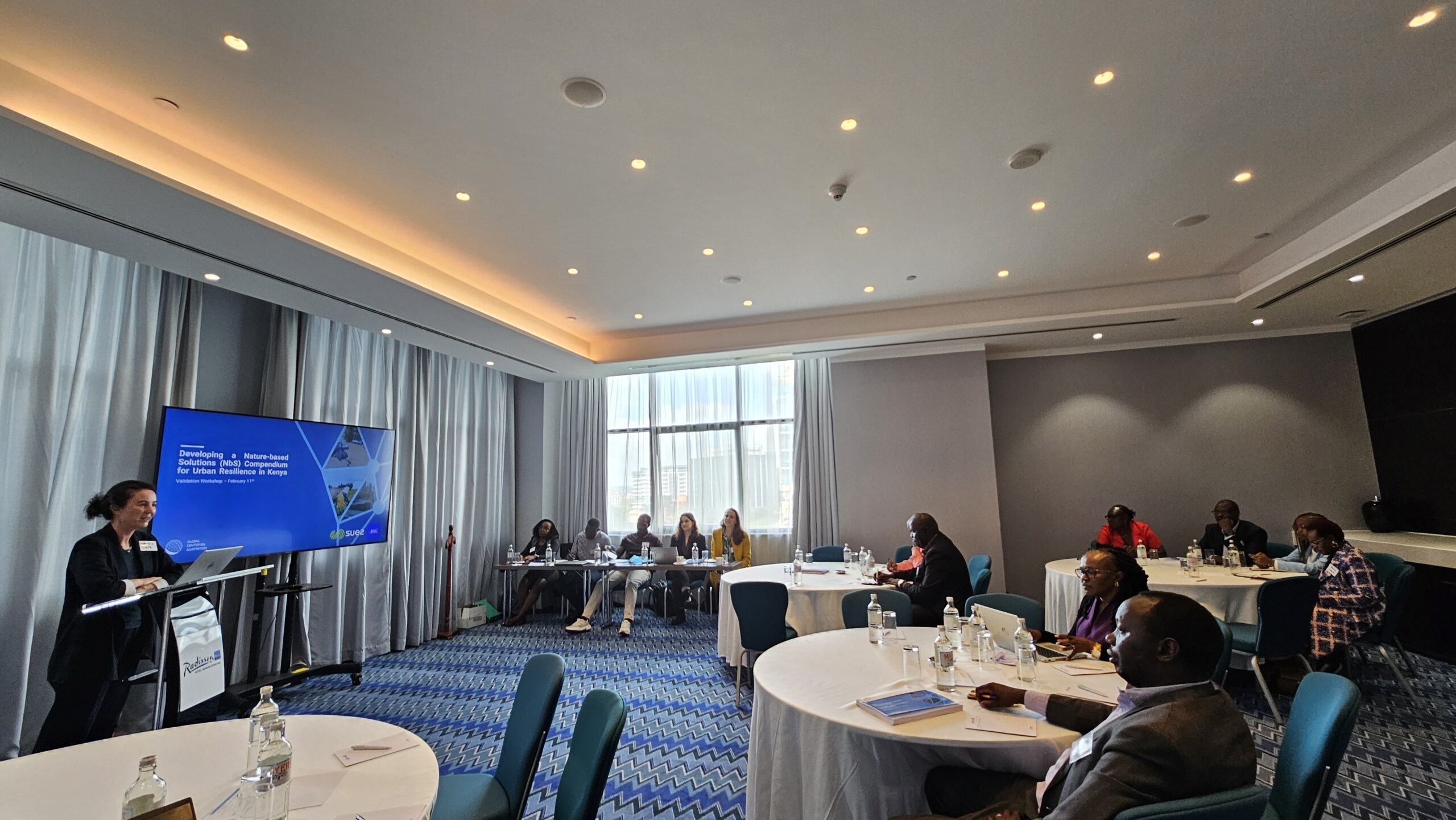
Validation Workshop on Nature-Based Solutions (NbS) Compendium for Urban Resilience in Kenya
11 February 2025
Nairobi, Kenya
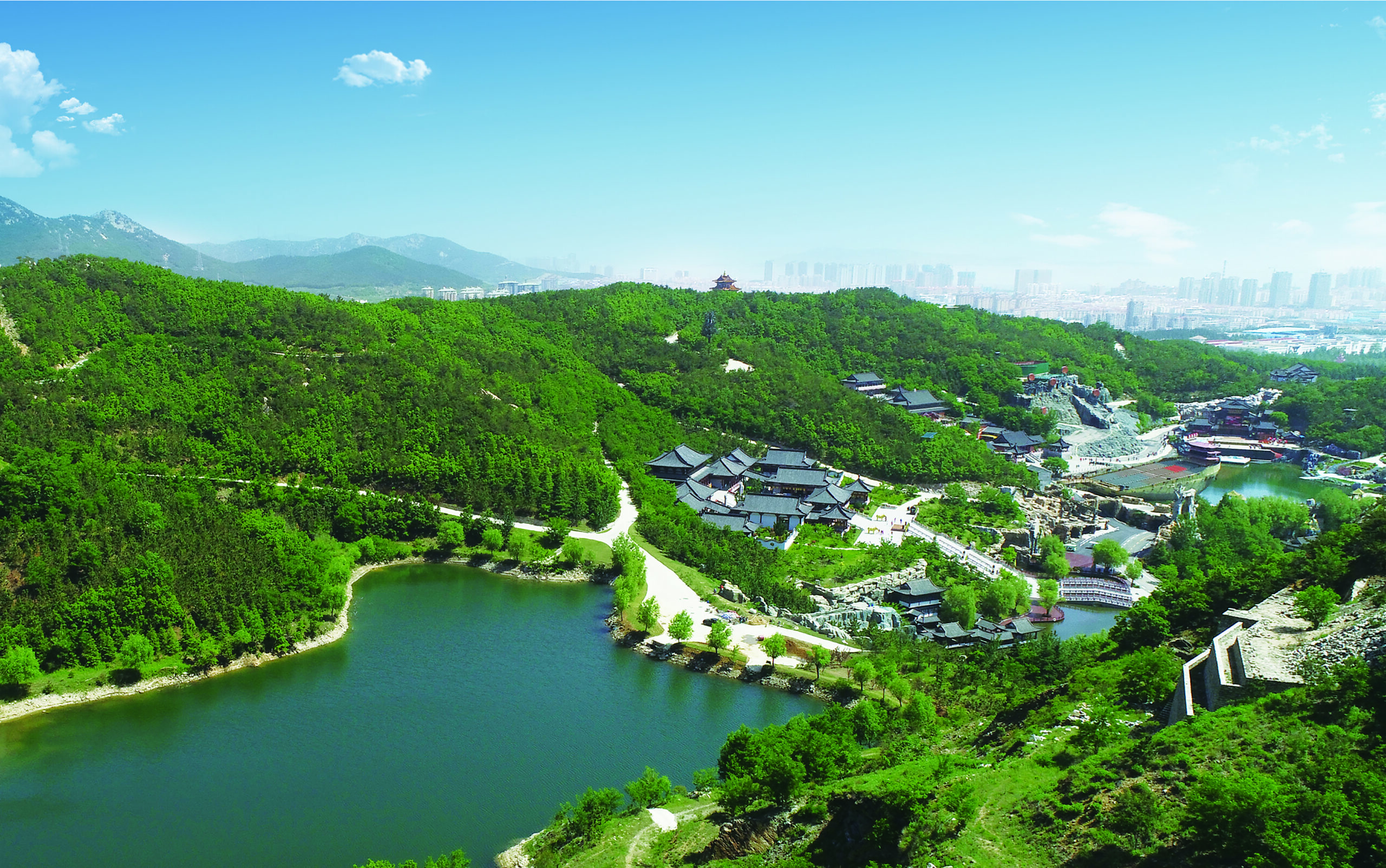
Launch of Key Recommendations for Weihai’s 2035 Agenda Report
26 July 2024
Dongshan Hotel, Weihai, China
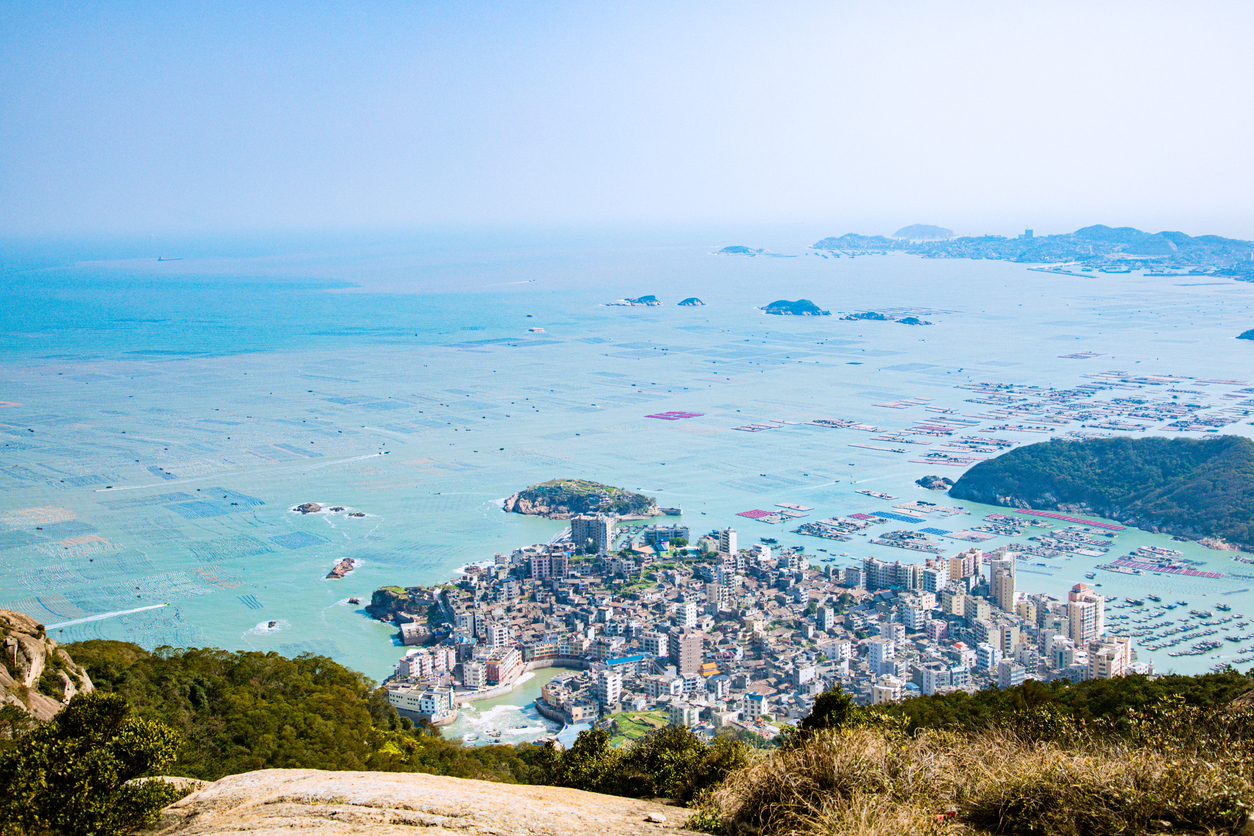
Climate Risk Assessment Lecture: Case Study on Quantitative Assessment on Flood Risk and Risk Mapping
4 June 2024
Fuzhou, China
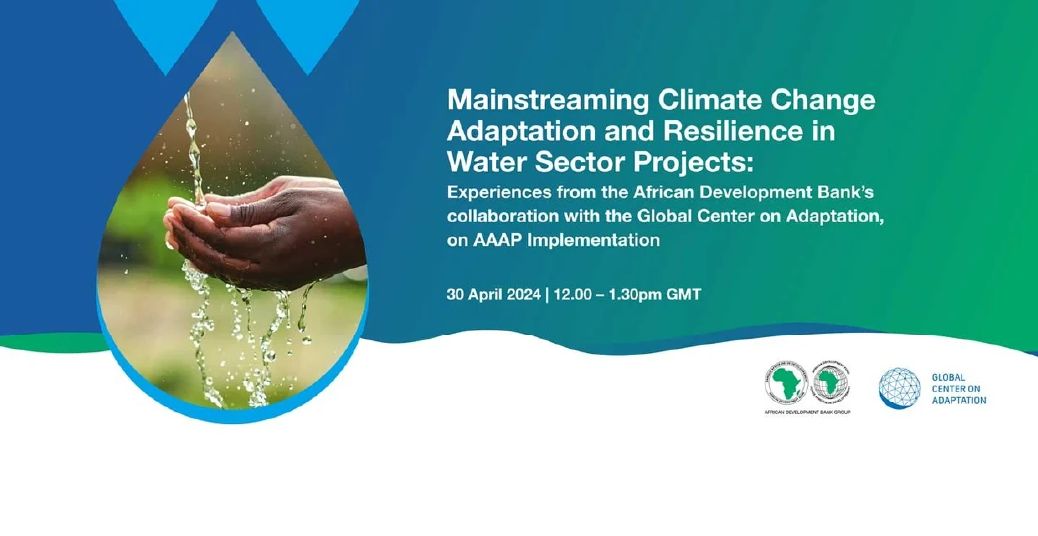
Webinar on Mainstreaming Climate Change Adaptation and Resilience in the Water Sector
30 April 2024
Global
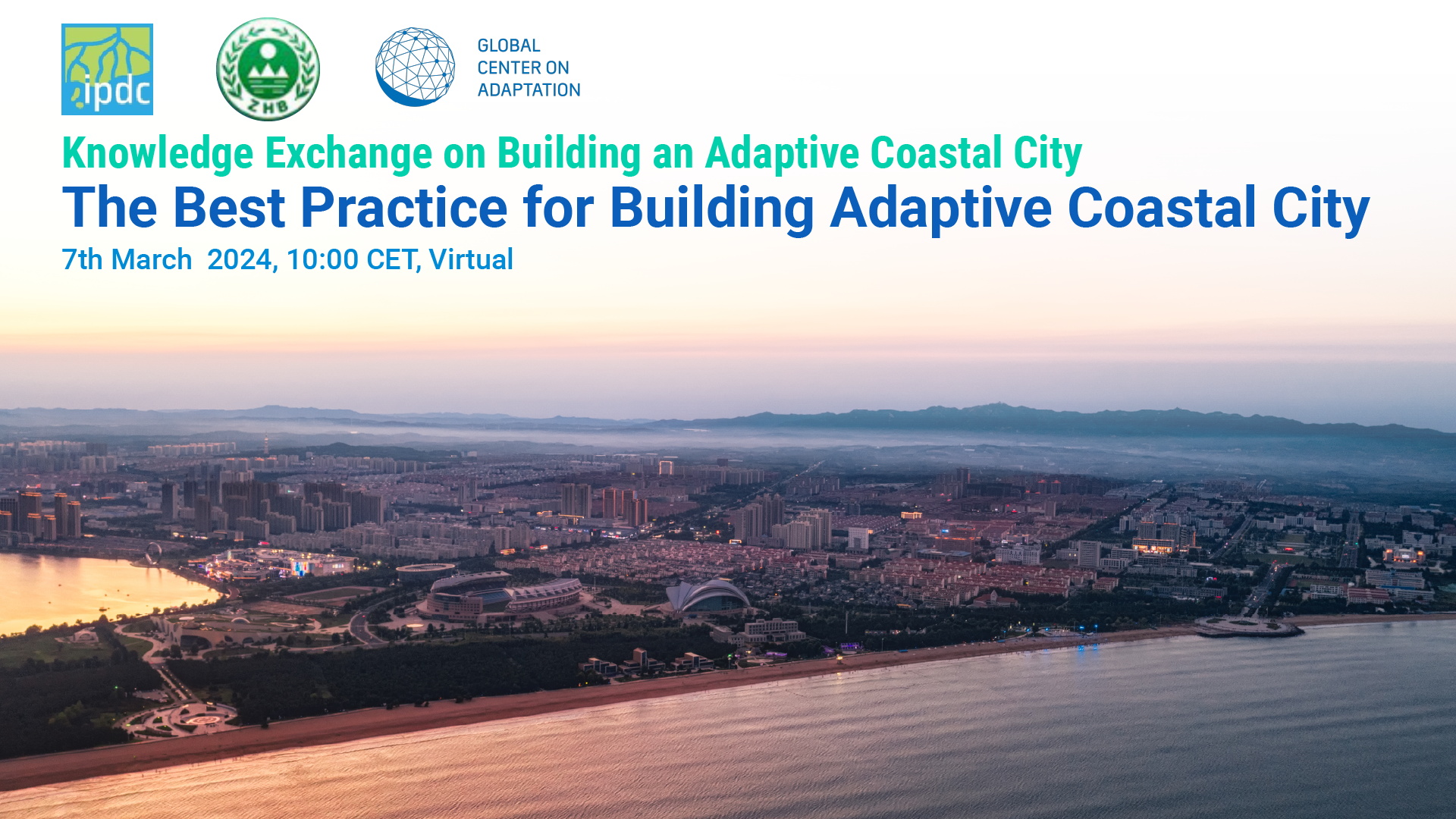
Best Practices for Building an Adaptive Coastal City
22 March 2024
Global
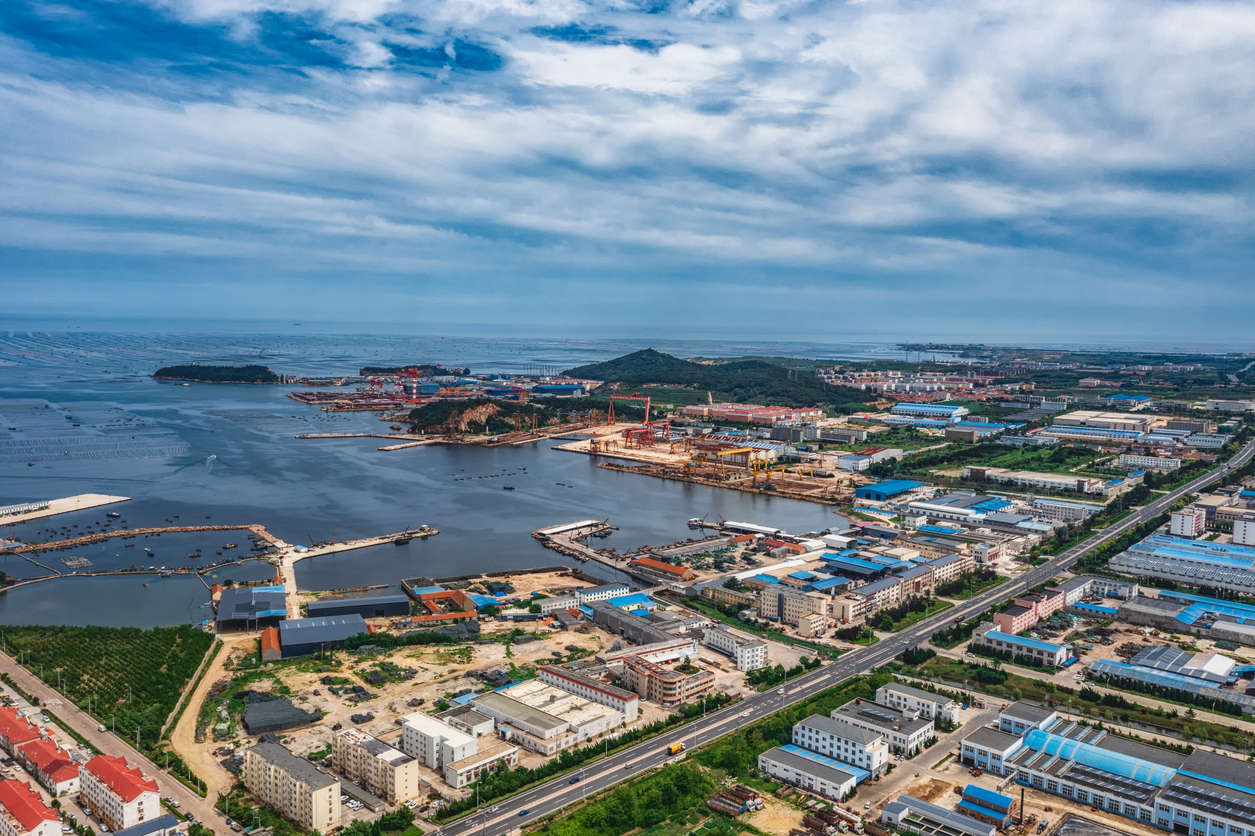
Climate Risk Assessments to Improve Climate Resilience in Coastal Cities
11 January 2024
Global
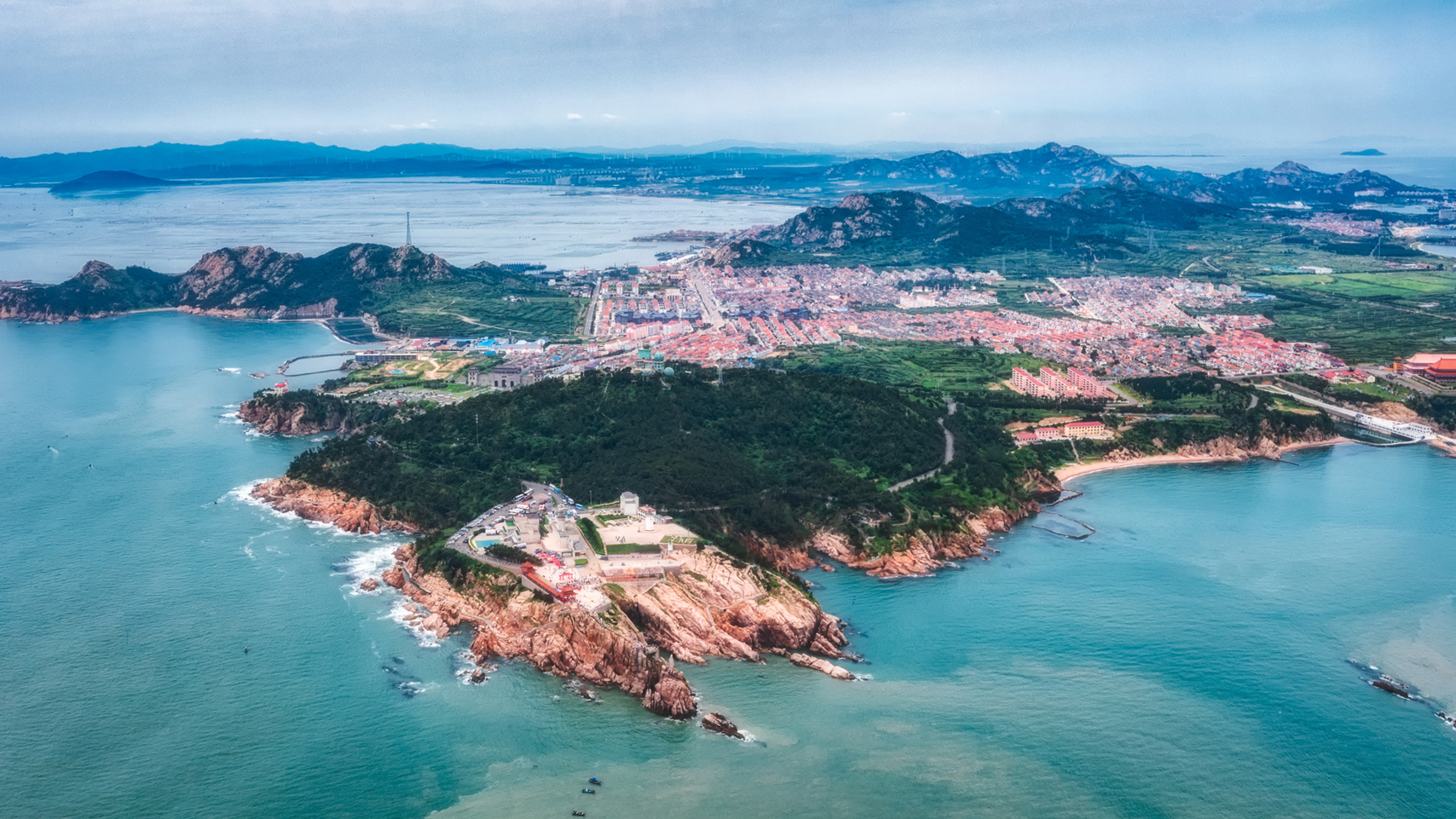
Launch Workshop: Under the project GCA Support to Climate-Adaptive City Construction
8 December 2023
Online and in-person at Dongshan Hotel Building 1 VIP Hall, Weihai, Shandong Province
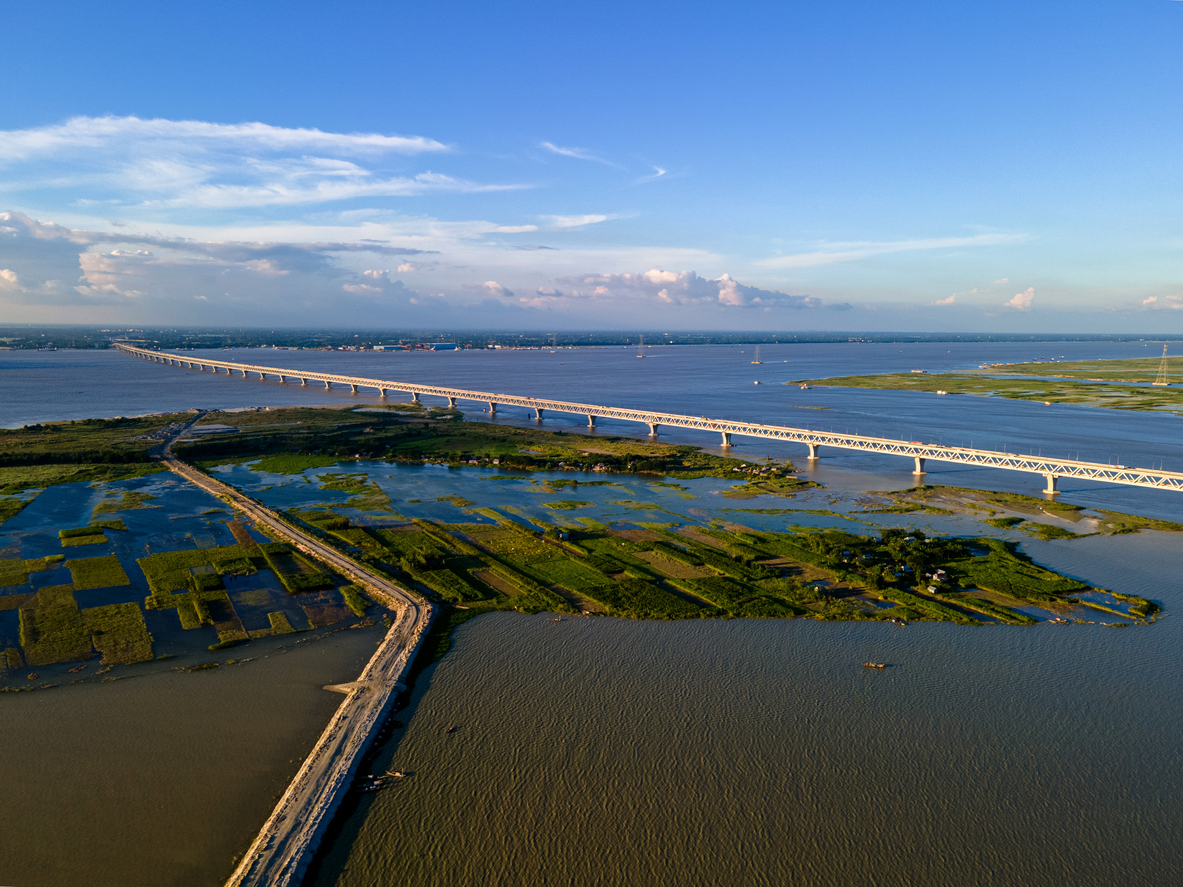
Water and Climate Adaptation Strategies – the Case of Bangladesh
20 October 2023
Global
Addressing Uncertainty in Coastal Resilience Building
17 October 2023
Global
Contact Information
For more information on this program, or to get involved, please contact:
Joep Verhagen
Program Lead Water and Urban
wac@gca.org